
Smart Watering: How to Keep Your Garden Lush on a Budget
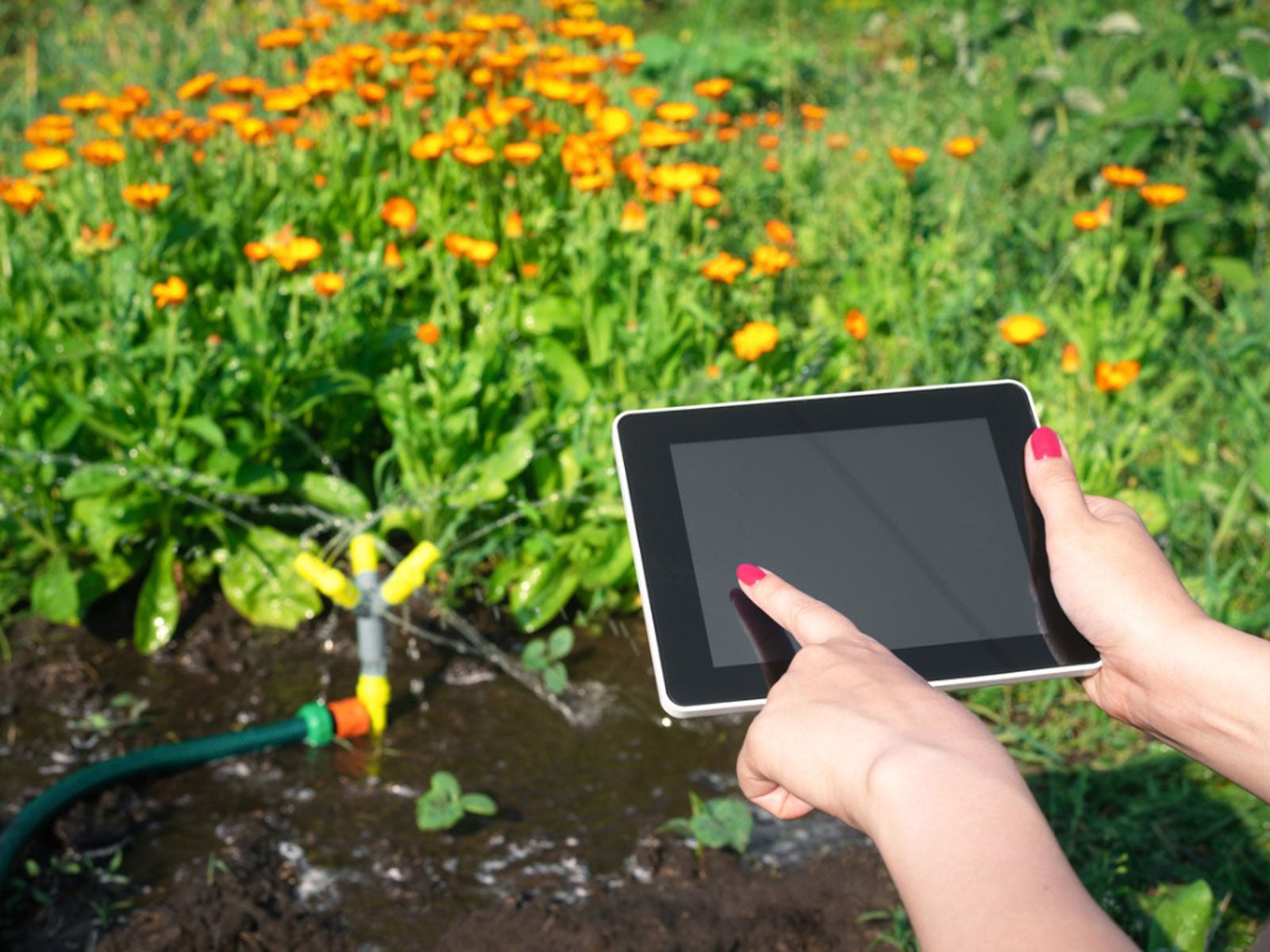
A garden full of life doesn’t need buckets of water or fancy gear to survive. Instead of turning on sprinklers every day, try giving moisture when it matters most – early morning or late evening works best. Because roots drink deeply, less frequent but thorough soaking encourages stronger growth. Even basic tweaks like mulching around plants slow evaporation and feed the earth over time. For those stuck with patchy grass or wilted edges, shifting habits beats buying gadgets any day. Since clay holds water longer than sand, knowing your soil type shapes how often you should hydrate.
Why Smart Watering Matters
Some people think extra water helps their garden grow better. Yet too much moisture often harms root systems instead. Fungal issues tend to appear where dampness lingers too long. Wasting resources happens quietly in those cases. Too little hydration brings its own problems – plants struggle, then stall. Timing matters just as much as quantity for strong development. Supply shifts based on actual conditions, not guesses.
These days, saving water matters more than ever. Across different areas, dry spells paired with higher bills push people to garden smarter. Changing how you water cuts costs each month, even as it supports the planet.
Understand Your Garden’s Water Needs
Every garden is different. Soil type, climate, plant variety, and sun exposure all affect how much water is required. Start by observing your outdoor space.
Soil Type
Sandy soil drains quickly and may need more frequent watering. Clay soil holds moisture longer, so it needs deeper but less frequent watering. Loamy soil offers the best balance and retains moisture effectively.
Plant Types
Vegetables, annual flowers, and container plants often need regular watering. Established shrubs, native plants, and perennials usually require less water once roots are developed.
Sun and Shade
Plants in direct sunlight lose moisture faster than those in partial shade. Windy areas also dry out quickly.
When you understand these factors, you can avoid wasting water on areas that do not need it.
Water at the Best Time of Day
Watering early helps cut down on waste without much effort. When the sun has just risen, it stays cool, so less water disappears into air. Before things warm up, greenery gets a chance to drink what they need.
Water soaks in better when nights stay dry – wet foliage after dark might invite mold. The sun burns off most water by noon, making midday a poor choice unless skies turn gray. Early each day, sticking to the same plan tends to make watering plants work better as days pass. Over weeks, doing it the same way at dawn slowly boosts how well water gets used.
Choose Affordable Watering Tools
You do not need a premium irrigation system to water effectively. Budget-friendly tools can deliver excellent results when used properly.
A watering can works well for containers and small beds. Soaker hoses slowly release water directly into the soil, reducing runoff. For lawns or larger spaces, an oscillating sprinkler can provide even coverage when carefully positioned.
The key is selecting tools that match your garden size and layout. Oversized systems often waste water, while targeted tools help every drop count.
Mulch for Moisture Retention
Mulch is one of the most cost-effective gardening investments available. It acts as a protective layer over the soil, slowing evaporation and keeping roots cooler during hot weather.
Popular low-cost mulch options include:
- Wood chips
- Straw
- Compost
- Shredded leaves
- Grass clippings from untreated lawns
Apply a two- to three-inch layer around plants, keeping it slightly away from stems. This simple step can significantly reduce how often you need to water.
Improve Soil Health Naturally
A strong garden starts beneath the surface – good earth supports tougher plants that sip water instead of gulping it. Heavy or worn ground resists moisture, sending rain sliding sideways or vanishing fast into lower layers. Without proper absorption, roots suffer, demanding extra attention day after day. Over time, those small tasks pile up, draining energy and resources alike. Feeding the dirt with natural matter shifts the balance slowly, turning tired patches into lively homes for growth.
Compost works well since it adds organic material, lets water drain better, yet keeps dampness around longer. Fruit skins, leftover veggies, used coffee bits, cut grass, and dead leaves turn into rich mix at home. Every few months, stirring that blend into planting zones shows clear changes. Instead of plain dirt, worm waste plus old animal droppings lifts the ground texture just as much.
Use Deep Watering Techniques
Frequent shallow watering inspires roots to remain near the surface, making plants more prone to heat stress. Deep watering trains roots to grow downward, where moisture lasts longer.
Instead of watering lightly every day, water thoroughly a few times each week, depending on weather and soil conditions. Let moisture penetrate several inches into the ground.
Deep-rooted plants are usually more resilient, healthier, and less dependent on constant watering.
Collect Rainwater for Free
Rainwater harvesting is one of the smartest ways to cut costs. Installing a rain barrel beneath a downspout allows you to capture free water for future use.
Collected rainwater is ideal for ornamental plants, garden beds, and containers. It also reduces reliance on municipal water during dry spells.
Even a modest rain barrel can make a noticeable difference over a growing season. Be sure to use a covered container to reduce debris and insects.
Group Plants by Water Needs
A common mistake is watering the entire garden the same way. Some plants need regular moisture, while others prefer drier conditions.
Create watering zones by grouping plants with similar needs together. For example:
- Vegetables and thirsty annuals in one area
- Drought-tolerant herbs in another
- Shrubs and perennials in separate beds
This strategy prevents overwatering low-need plants while ensuring high-need areas stay productive.
Watch for Signs of Overwatering and Underwatering
Plants often communicate when watering habits need adjustment.
Signs of Overwatering
- Yellowing leaves
- Soft stems
- Moldy soil surface
- Wilting despite wet soil
Signs of Underwatering
- Dry, crumbly soil
- Brown leaf edges
- Drooping leaves
- Slow growth
Responding early can save plants and reduce wasted water.
Upgrade Slowly, Not All at Once
Many gardeners think efficiency requires expensive smart irrigation systems. While advanced timers and drip networks can be helpful, they are not essential immediately.
Start small with practical upgrades such as:
- Adding mulch
- Repairing leaking hoses
- Installing a hose timer
- Switching to a soaker hose
- Improving soil with compost
These low-cost improvements often deliver the biggest savings first.
Choose Drought-Tolerant Plants
If you want a beautiful garden with lower maintenance, consider drought-tolerant species suited to your climate. Native plants are especially valuable because they are adapted to local rainfall patterns.
Examples may include:
- Lavender
- Coneflower
- Sage
- Ornamental grasses
- Rosemary
Once established, these plants typically need less supplemental watering than thirsty exotic varieties.
Monitor Weather Conditions
Most of the time, soil holds clues about when to add water. When skies open up for days, roots often stay damp long enough without help. Humid air slows evaporation, so less refilling is needed. On scorching afternoons, leaves can dry out fast even if the ground feels cool. Watch how pots feel – light ones usually want a drink.
Later in the week, rain might save you effort – watering then feels redundant. When clouds bring moisture, pausing your schedule quietly cuts expenses down the line.
Final Thoughts
Watering well doesn’t have to cost much when you pay attention to how things grow. Soil that holds moisture cuts down on frequent irrigation needs, especially if you water early morning or late evening. Tools like soaker hoses help reach roots without waste, while layers of organic matter slow evaporation. Rain barrels catch what falls naturally, saving tap water over time. Deep soaking once in a while beats daily sprinkling every single time.

About author


Leave a reply