
Why Proper Equipment Is the Best Insurance Against Revenue Loss
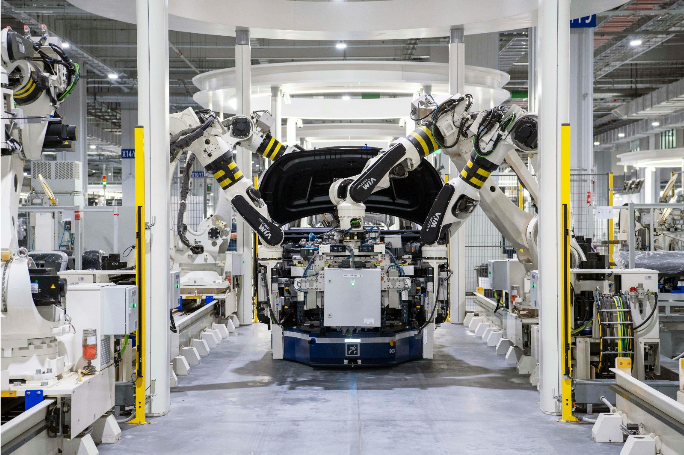
When organizations look for ways to protect revenue, the conversation often centers on sales strategies, customer acquisition, and financial planning. While these elements are important, they overlook a critical factor that quietly protects profitability every day: the quality and reliability of operational equipment. From manufacturing floors and logistics hubs to aviation facilities and service based enterprises, equipment performance directly influences uptime, efficiency, and customer confidence. When tools fail, the costs ripple far beyond repair bills, affecting schedules, safety, and reputation. Investing in proper equipment is not an optional upgrade but a foundational safeguard against preventable revenue loss.
Reliable equipment ensures that operations run smoothly under expected demand and unexpected pressure. When assets are chosen carefully, maintained properly, and aligned with operational needs, they reduce the risk of interruptions that cut into productivity and profits. Over time, this reliability acts as a form of practical insurance, protecting revenue streams by keeping workflows consistent and customers satisfied.
Downtime Is More Than a Temporary Inconvenience
Operational downtime is often underestimated in both frequency and impact. A single equipment failure can halt production lines, delay deliveries, or ground essential services, leading to immediate financial consequences. Lost labor hours, missed contractual deadlines, and potential penalties can quickly add up. In regulated industries, downtime may also trigger compliance issues that compound the financial damage.
Beyond the immediate costs, downtime erodes trust with clients and partners. Customers expect reliability, and recurring disruptions can push them toward competitors who deliver consistent performance. Proper equipment reduces the likelihood of these failures by offering higher durability, better performance under load, and more predictable maintenance cycles. While the upfront cost may appear higher, the long term savings from avoided disruptions often far outweigh the initial investment.
Equipment Quality Directly Affects Operational Efficiency
Efficiency is a key driver of profitability, yet it is tightly bound to the tools employees use daily. High quality equipment allows teams to work faster, safer, and with fewer errors. Machines that are designed for the demands of specific tasks minimize manual workarounds and reduce strain on operators, improving both output and morale.
When equipment is outdated or poorly suited to its environment, inefficiencies become routine. Employees may slow down to compensate for unreliable tools, or systems may require frequent resets and adjustments. Over time, these small inefficiencies accumulate into significant productivity losses. Proper equipment selection aligns performance capabilities with operational needs, ensuring that every hour of work generates maximum value without compromising quality or safety.
Smart Equipment Choices Reduce Long Term Costs
One of the most common misconceptions in capital planning is that lower purchase prices equal better financial decisions. In reality, inadequately chosen equipment often leads to higher costs over its lifespan. Frequent repairs, replacement parts, and emergency service calls can quickly exceed the cost of a more reliable option.
Strategic buyers consider lifecycle costs rather than upfront expense alone. For example, in aviation ground operations, investing in dependable power units is critical to maintaining schedules and avoiding aircraft delays. Many operators carefully evaluate options, including sourcing a used aircraft GPU for sale, to balance affordability with performance and reliability. When chosen from a reputable source and matched to operational requirements, such equipment can deliver dependable service while protecting revenue from unplanned interruptions.
Preventive Maintenance Protects Both Assets and Income
Even the best equipment requires ongoing care to perform as intended. Preventive maintenance programs are an extension of the initial investment, ensuring that assets continue to operate efficiently throughout their useful life. Regular inspections, timely servicing, and proactive part replacement reduce the likelihood of sudden failures that disrupt operations.
Organizations that neglect maintenance often experience unpredictable breakdowns that are more expensive to fix and harder to manage. Emergency repairs tend to cost more and often require extended downtime. In contrast, planned maintenance can be scheduled during off peak hours, minimizing impact on productivity. By treating maintenance as a revenue protection strategy rather than an operational expense, businesses preserve asset value and maintain consistent service delivery.
Reputation and Customer Confidence Depend on Reliability
Revenue protection is not limited to internal metrics. How a business is perceived externally plays a significant role in long term success. Customers and partners value consistency, especially in industries where timing and safety are critical. Equipment failures that cause delays or service interruptions can damage credibility and strain relationships built over years.
Reliable equipment supports a reputation for professionalism and dependability. When clients know that operations are supported by well maintained, appropriate tools, they are more likely to renew contracts, refer others, and commit to long term partnerships. This trust translates directly into stable revenue streams and reduced marketing and acquisition costs.
Conclusion
Proper equipment is more than a functional necessity; it is a strategic investment that safeguards revenue at every level of an organization. By reducing downtime, improving efficiency, lowering long term costs, and reinforcing customer trust, reliable tools act as a form of insurance against financial loss. Businesses that prioritize quality, suitability, and maintenance position themselves to withstand operational challenges without sacrificing profitability. In a competitive market where margins are often tight, protecting revenue begins with the equipment that keeps operations moving forward.

About author


Leave a reply