
When Should You Call a Licensed Plumber Instead of Fixing It Yourself?
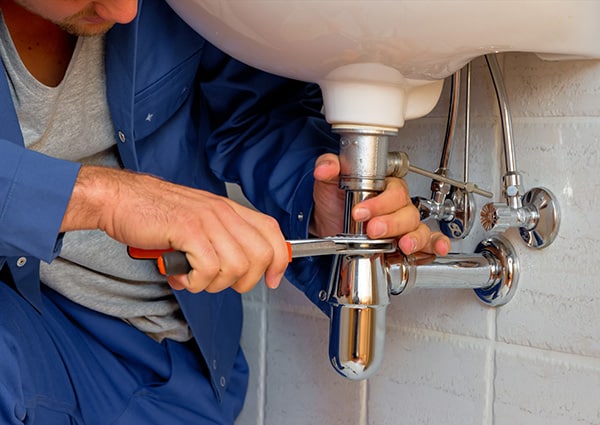
It’s tempting to tackle plumbing issues on your own. After all, DIY videos and hardware stores make it seem like anyone can fix a leaky tap or unclog a drain. While some minor issues are safe for a handy homeowner to manage, there are many situations where calling a licensed plumber is not only recommended — it’s essential.
The first red flag is any recurring problem. If you’ve already tried to fix a slow-draining sink, and it keeps happening, it may point to a deeper blockage or an issue with your main sewer line. Pouring more drain cleaner isn’t just ineffective — it can corrode your pipes over time. A professional plumber can inspect your drainage system thoroughly and clear the issue without damaging your plumbing.
Another major sign you need a plumber is water pressure issues. Low pressure could be due to mineral buildup, pipe leaks, or problems in the municipal water supply. A licensed plumber can diagnose where the problem lies and fix it without guesswork. If left unaddressed, these issues could lead to pipe bursts or costly water damage.
You should also call in a professional if you’re experiencing leaks in the walls or ceilings. Hidden leaks are serious and often lead to mold growth, structural damage, and expensive repairs. Professionals have the tools to detect these without tearing apart your home.
Any task involving gas lines, hot water systems, or sewage should never be done DIY. These are high-risk systems where improper installation or repairs can lead to gas leaks, electrical hazards, or health risks. In fact, it’s illegal in many parts of Australia to work on gas or hot water systems without proper certification.
Renovations are another time when you need a licensed plumber. Moving sinks, installing new fixtures, or reconfiguring plumbing during a bathroom or kitchen remodel must be up to code. A professional ensures all permits are pulled and installations meet safety regulations, which is critical for passing inspections and maintaining insurance coverage.
Also, any job that requires turning off the main water supply or involves cutting into pipes should be left to the pros. Mistakes in these areas can quickly flood your home or damage essential plumbing infrastructure.
Finally, consider the long-term implications of a poorly done DIY job. If the issue resurfaces or worsens, you’ll end up paying more for repairs than if you had hired a professional in the first place.
While it’s great to be resourceful, knowing when to call a licensed plumber is key to protecting your home. It ensures the job is done safely, correctly, and in a way that saves you time, money, and stress in the long run.

About author


Leave a reply