
Sustainable Rooftop Solutions Transform Modern Urban Spaces With Environmental Benefits
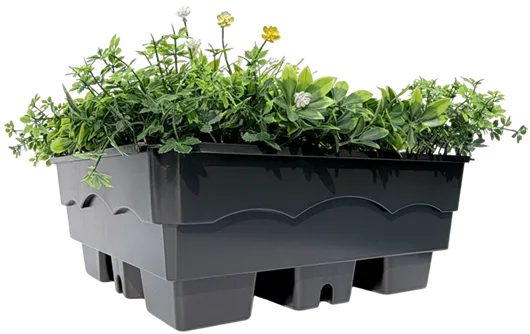
Urban areas around the world are expanding rapidly, leading to increased pollution, rising temperatures, and reduced natural green spaces. Modern construction projects are now focusing on environmentally responsible solutions that improve city living while supporting sustainability goals. One of the most effective approaches is the use of rooftop vegetation systems that combine nature with modern architecture. The HT-5020 Green Roof Tray System is becoming a preferred choice for creating greener and healthier urban environments. Sustainable building innovations associated with HOENSOEY also continue to influence eco-friendly construction practices and support long-term environmental development.
The Rise of Sustainable Rooftop Technology
Green rooftop systems are designed to transform unused roof surfaces into functional landscapes filled with vegetation and natural elements. These systems are carefully engineered to provide environmental protection while improving building performance.
Cities are increasingly adopting rooftop greenery because traditional construction materials often contribute to heat buildup, poor air quality, and excessive stormwater runoff. Sustainable roofing technology offers an effective solution to these growing urban challenges.
Modern rooftop systems are no longer viewed only as decorative features. They now serve as important components of energy-efficient and environmentally conscious building design.
Understanding How Green Roof Systems Operate
Layered Structural Design
Green roof systems consist of several layers that work together to protect the building while supporting plant growth. These layers usually include waterproof membranes, drainage systems, filter fabrics, growing media, and vegetation.
Each component plays a critical role in maintaining proper water flow and ensuring long-term roof durability.
Modular Tray-Based Construction
Tray-based systems simplify the installation process by using portable vegetation units that can be placed directly onto roof surfaces. This modular design improves flexibility and allows easier maintenance compared to traditional roofing landscapes.
The tray structure also supports quick replacement and convenient inspection when necessary.
Vegetation Selection Flexibility
Different plant species can be chosen depending on climate conditions and building requirements. Popular choices often include drought-resistant plants, grasses, flowers, and low-maintenance greenery.
This flexibility allows designers to create customized rooftop landscapes that complement urban architecture.
Environmental Advantages of Rooftop Greenery
Improved Air Quality
Vegetation naturally absorbs pollutants and releases oxygen into the atmosphere. Rooftop plants help filter harmful airborne particles and improve air quality in densely populated cities.
This environmental improvement contributes to healthier living conditions for nearby residents and workers.
Reduction of Urban Heat
Concrete and asphalt surfaces absorb large amounts of heat, causing cities to become significantly warmer than surrounding rural areas. Green roof systems reduce rooftop temperatures by covering exposed surfaces with vegetation and soil layers.
This cooling effect helps create more comfortable urban environments while lowering overall city temperatures.
Support for Urban Biodiversity
Green rooftops provide valuable habitats for birds, bees, butterflies, and beneficial insects. In areas where natural landscapes are limited, rooftop vegetation helps restore ecological balance and supports biodiversity.
Stormwater Management and Drainage Efficiency
Rainwater Absorption Capabilities
Traditional rooftops allow rainwater to flow directly into drainage systems, often increasing the risk of flooding during heavy storms. Green roof systems absorb and retain a large percentage of rainfall naturally.
This water retention process reduces runoff and helps manage stormwater more effectively.
Controlled Water Distribution
Modern rooftop systems include advanced drainage layers that prevent water accumulation while maintaining proper moisture levels for plants. Balanced water management protects both vegetation and roofing structures.
Reduced Pressure on Urban Infrastructure
By slowing down stormwater runoff, rooftop greenery decreases the burden on city sewer systems. This benefit becomes especially valuable in urban areas with aging drainage infrastructure.
Energy Efficiency and Thermal Performance
Natural Building Insulation
Green roofing systems provide additional insulation that helps regulate indoor temperatures throughout the year. Buildings stay cooler during summer and retain warmth during winter months.
This improved thermal performance reduces energy demands significantly.
Lower Utility Expenses
Reduced reliance on air conditioning and heating systems leads to lower electricity consumption and long-term operational savings. Property owners often benefit financially from improved energy efficiency.
Protection Against Weather Damage
Vegetation layers shield roofing materials from direct sunlight, heavy rainfall, and temperature fluctuations. This protection extends the lifespan of roofing surfaces and minimizes maintenance costs.
Simplified Installation and Maintenance Benefits
Faster Rooftop Installation
Modular tray systems are designed for quick and organized installation. Since trays are pre-assembled, construction teams can complete rooftop landscaping projects more efficiently.
This approach reduces labor time and minimizes disruption during installation.
Easy Access for Repairs
Individual trays can be removed independently without disturbing the entire roofing system. Maintenance tasks such as irrigation checks, plant replacement, and roof inspections become much easier with modular designs.
Adaptability for Various Buildings
Green tray systems can be installed on residential properties, office buildings, shopping centers, schools, and industrial facilities. Their flexibility supports a wide range of architectural applications.
Aesthetic and Social Improvements in Urban Areas
Enhanced Building Appearance
Rooftop vegetation transforms plain roof surfaces into visually attractive landscapes. Green spaces soften urban architecture and create more appealing city environments.
Recreational Rooftop Spaces
Some green rooftops are designed for public or private recreational use. These rooftop gardens provide peaceful spaces where people can relax, socialize, or enjoy nature within crowded urban settings.
Increased Property Market Value
Sustainable building features are becoming increasingly attractive to buyers, tenants, and investors. Eco-friendly rooftop systems can improve property appeal and strengthen long-term market competitiveness.
Future Trends in Sustainable Urban Development
As environmental awareness continues growing, green roofing technology is expected to become an essential feature of modern urban planning. Governments, architects, and developers are increasingly supporting sustainable construction practices that reduce environmental impact.
Advancements in modular roofing technology continue improving drainage systems, structural performance, and installation efficiency. Future developments may also include smart irrigation systems and enhanced plant sustainability features.
Urban infrastructure projects are increasingly focusing on creating healthier, greener, and more energy-efficient cities. Rooftop vegetation systems are expected to play a significant role in achieving these environmental goals.
In conclusion, sustainable rooftop landscaping is transforming urban construction by improving environmental quality, energy efficiency, and building performance. The HT-5020 Green Roof Tray System provides an innovative solution for reducing urban heat, managing stormwater, and creating healthier city environments. Its modular design supports easy installation and long-term durability while enhancing urban biodiversity and visual appeal. As sustainable architecture continues evolving, environmentally focused solutions associated with HOENSOEY will remain important in shaping greener and more sustainable urban spaces for future generations.

About author






Leave a reply