
Designing Resilient Homes: The Role of Timber in Strength, Safety, and Modern Living
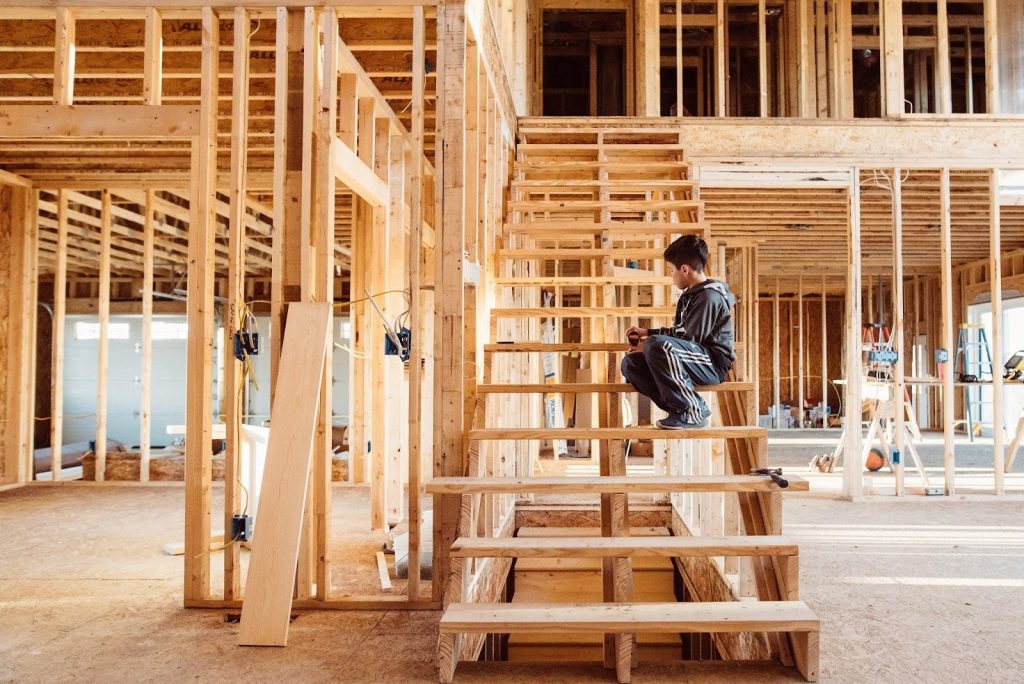
Home construction has evolved beyond basic functionality. Today’s homeowners expect structures that are not only visually appealing but also capable of withstanding environmental stress while maintaining long-term durability. This shift has brought renewed attention to materials that can deliver both resilience and adaptability, and timber continues to stand out as a leading choice.
Its natural flexibility, combined with advancements in building techniques, allows wood to perform exceptionally well under a variety of conditions. As builders look for ways to improve safety without sacrificing design, timber offers a balanced solution that aligns with both structural demands and aesthetic expectations.
Understanding Structural Resilience in Residential Construction
Resilience in construction refers to a structure’s ability to absorb stress and recover without significant damage. This is especially important in areas prone to environmental challenges such as strong winds or seismic activity. Materials that can flex rather than fracture often perform better under these conditions.
Wood’s natural composition gives it an advantage in this regard. Unlike rigid materials that may crack under pressure, timber can bend slightly, distributing stress more evenly throughout the structure. Research into engineering and structural risk factors highlights the importance of flexibility in reducing damage during dynamic events, reinforcing the value of materials that can adapt under stress.
This characteristic makes timber particularly suitable for residential construction, where safety and longevity are top priorities. Properly engineered wood systems can provide both strength and resilience, ensuring that homes remain stable over time.
Why Timber Continues to Be a Preferred Building Material
Strength Combined with Flexibility
Timber offers a rare combination of strength and elasticity. It is capable of supporting significant loads while also accommodating movement, which reduces the likelihood of sudden structural failure. This balance is especially valuable in modern home design, where open spaces and larger spans are increasingly common.
Additionally, wood’s lightweight nature simplifies transportation and installation. Builders can work more efficiently, reducing labor time without compromising quality. This efficiency contributes to smoother project timelines and fewer complications during construction.
Adaptability Across Design Styles
Beyond its structural benefits, timber integrates seamlessly into a wide range of architectural styles. Whether used for framing, finishes, or decorative elements, it enhances both traditional and contemporary designs. Its natural texture and warmth create inviting spaces that feel both comfortable and refined.
This versatility allows designers to experiment with different layouts and materials while maintaining a cohesive look. Timber acts as a unifying element, bridging the gap between functionality and aesthetics.
The Importance of Skilled Timber Builders
While the material itself plays a critical role, the expertise behind its use is equally important. Skilled builders understand how to maximize timber’s strengths while addressing its limitations. From selecting the right wood type to ensuring proper installation, their knowledge directly influences the outcome of a project.
Working with experienced professionals such as Tar River Timber Works ensures that each component is handled with precision. Their approach focuses on both performance and efficiency, helping to create structures that meet modern standards without unnecessary complications.
This level of expertise is particularly valuable in projects that require careful coordination between design and construction. When builders and suppliers work in alignment, the result is a more streamlined process and a higher-quality finished product.
Balancing Functionality and Interior Design
Modern homes are expected to deliver more than structural reliability—they must also support comfortable and visually appealing living environments. Timber contributes to this balance by offering both practical and aesthetic benefits. Its natural tones and textures create a sense of warmth that enhances interior spaces.
Design elements such as flooring, paneling, and exposed beams can transform a room, adding depth and character without overwhelming the overall design. When combined with other materials, wood helps create a layered look that feels intentional and well-crafted.
For those looking to refine their interiors further, this guide on enhancing interior design with modern rugs provides insights into how complementary elements can elevate a space while maintaining cohesion.
Enhancing Long-Term Durability Through Smart Design
Durability is influenced not only by material choice but also by how a structure is designed and maintained. Timber performs best when environmental factors such as moisture and ventilation are carefully managed. Proper sealing, treatment, and construction techniques all contribute to extending its lifespan.
Designing with durability in mind also means anticipating how a building will age over time. Materials should be selected and installed in a way that minimizes wear and reduces the need for frequent repairs. Timber, when used correctly, offers a level of reliability that supports long-term performance.
These considerations are especially important in residential construction, where homeowners expect their investment to remain stable and functional for decades. Thoughtful planning ensures that timber continues to perform well long after the initial build is complete.
The Future of Timber in Resilient Construction
As construction methods continue to evolve, timber is playing an increasingly important role in innovative building solutions. Engineered wood products are expanding the possibilities for what can be achieved with timber, allowing for larger and more complex structures without sacrificing performance.
These advancements are supported by ongoing research and a growing emphasis on sustainability. Builders are exploring new ways to integrate timber into designs that prioritize both resilience and environmental responsibility. This shift reflects a broader trend toward materials that can meet modern demands without compromising long-term sustainability.
The continued development of timber technologies suggests that its role in construction will only grow stronger. As more projects embrace these innovations, the potential for creating durable, efficient, and visually compelling homes continues to expand.
Conclusion
Timber remains a cornerstone of residential construction, offering a unique combination of strength, flexibility, and design versatility. Its ability to support resilient structures while enhancing interior spaces makes it an invaluable material for modern homes.
By combining quality materials with skilled craftsmanship and thoughtful design, builders can create homes that stand up to environmental challenges while maintaining comfort and visual appeal. Timber’s enduring relevance lies in its adaptability, making it a reliable choice for both current and future construction needs.

About author


Leave a reply