
Five Situations Where Local Fire Watch Companies Provide Critical Safety Coverage
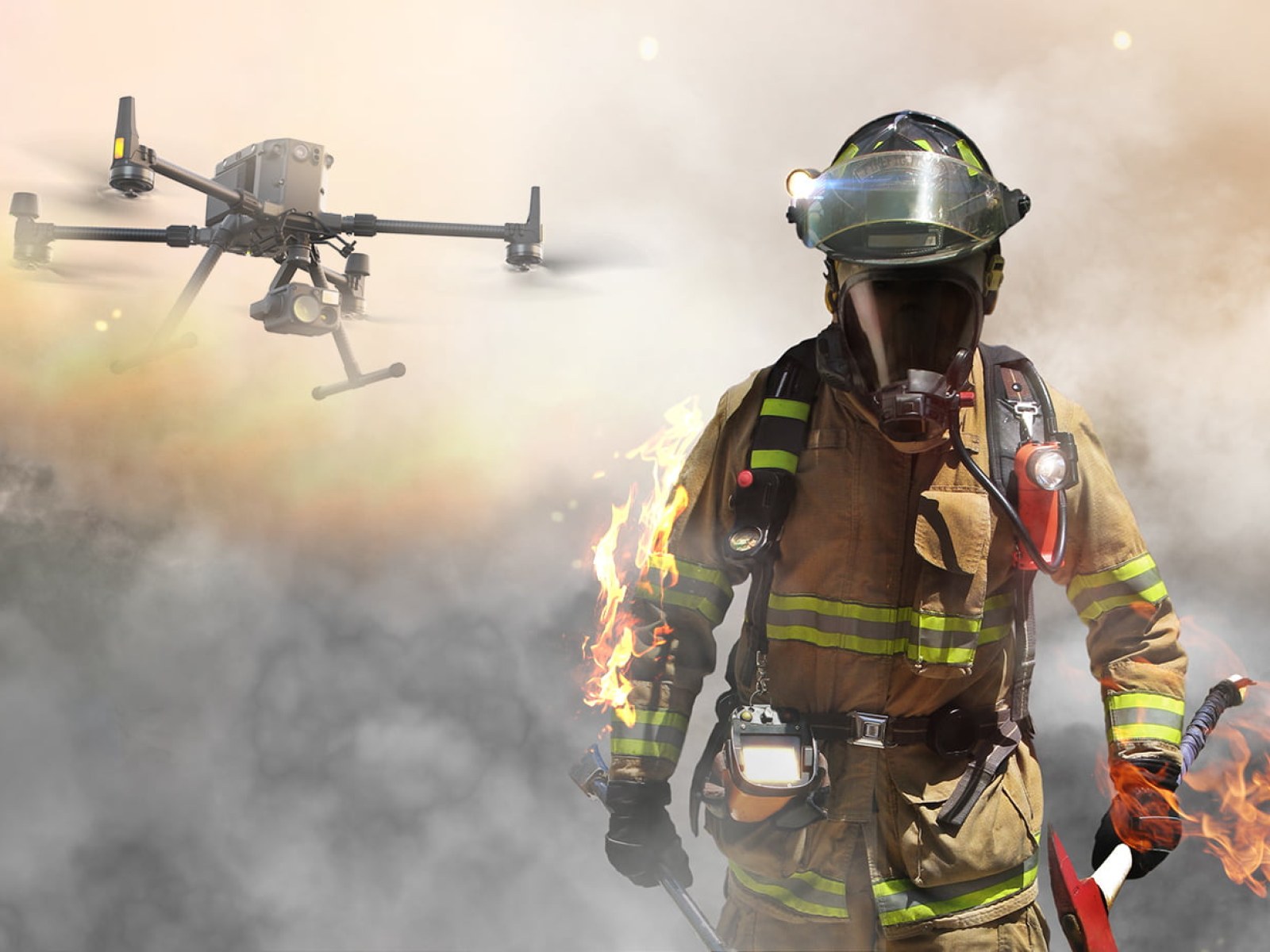
Unexpected changes in fire protection can leave a property needing direct human observation. Managers must respond carefully when alarms or sprinkler systems cannot provide normal protection. During such periods, local fire watch companies can supply trained personnel for scheduled checks. Their work supports early hazard detection while permanent systems receive attention. Temporary patrols are also useful during construction or crowded activities where conditions change often.
Alarm Systems Become Temporarily Unavailable
Alarm failures can reduce a building’s ability to warn occupants about danger. Assigned guards inspect important spaces while technicians work on restoring normal operation.
They watch for smoke plus unusual heat during planned patrol rounds. Quick reporting helps responsible staff act before a small concern becomes serious.
Sprinkler Repairs Require Added Observation
Sprinkler maintenance may leave selected building areas without full protection. Temporary patrols give managers another way to observe those spaces during repairs.
Guards follow assigned routes based on current conditions inside the property. Coverage can change as different sections return to normal operation.
Construction Creates Changing Fire Risks
Building work can introduce temporary materials plus equipment into active spaces. Careful observation helps identify conditions that require prompt management attention.
- Welding activities require close observation where sparks could reach materials.
- Temporary wiring needs regular checks for visible damage or overheating.
- Stored supplies should remain away from possible sources of ignition.
- Exit routes require clear passage throughout every active construction period.
- Waste materials need timely removal from busy building work zones.
- Equipment rooms deserve attention when contractors alter normal operating conditions.
- Renovated spaces require checks after workers finish their daily duties.
- Utility areas need observation whenever repair activity changes usual conditions.
Large Events Need Focused Monitoring
Busy events can increase occupancy while changing normal movement inside a property. At these times, local fire watch companies may provide patrol staff across assigned areas.
Guards observe exits plus temporary event spaces where added attention is required. Clear communication allows organizers to address visible concerns without unnecessary delays.
Different situations require patrol plans suited to current property conditions. Managers can use these differences to decide where observation needs greater attention.
Situations Requiring Immediate Fire Watch Support
Certain property conditions create temporary safety gaps that require close human observation. Local fire watch companies help maintain regular monitoring until normal protection systems become fully operational again.
- Fire alarm systems stop functioning during scheduled maintenance or repairs.
- Sprinkler systems become unavailable because of damage or inspection work.
- Construction activities create temporary areas with increased fire exposure.
- Electrical faults increase possible hazards inside busy commercial properties.
- Large gatherings require additional observation around exits and occupied spaces.
How Do Patrol Guards Handle Changing Safety Conditions?
Guards begin by understanding assigned routes plus current property concerns before each shift. They inspect designated areas at planned times while looking for smoke or unusual heat. They can also identify blocked exits or unsafe material storage. Every observation should follow clear reporting steps so managers receive useful information quickly.
Common Safety Coverage Questions
Temporary fire patrol arrangements often create practical questions for property managers. Simple answers can clarify responsibilities before assigned observation work begins.
- When are guards required? System outages may create temporary patrol needs.
- Who receives reports? Responsible managers receive details about observed concerns.
- Where do patrols occur? Assigned routes cover areas needing closer attention.
- What gets documented? Written logs record inspection times plus visible conditions.
- When can coverage end? Normal systems should return to proper operation.
Consistent Oversight Creates Stronger Protection
Dependable observation relies on regular checks rather than occasional attention. Clear reporting helps responsible teams address developing problems at an early stage. Well-planned patrol duties keep temporary protection focused where greater care is required. Steady execution matters more than expecting every working condition to remain perfect. A disciplined safety process gives properties stronger support until permanent safeguards operate correctly.

About author


Leave a reply