
BANGE Backpack Review 2026: What to Consider Before Making a Purchase
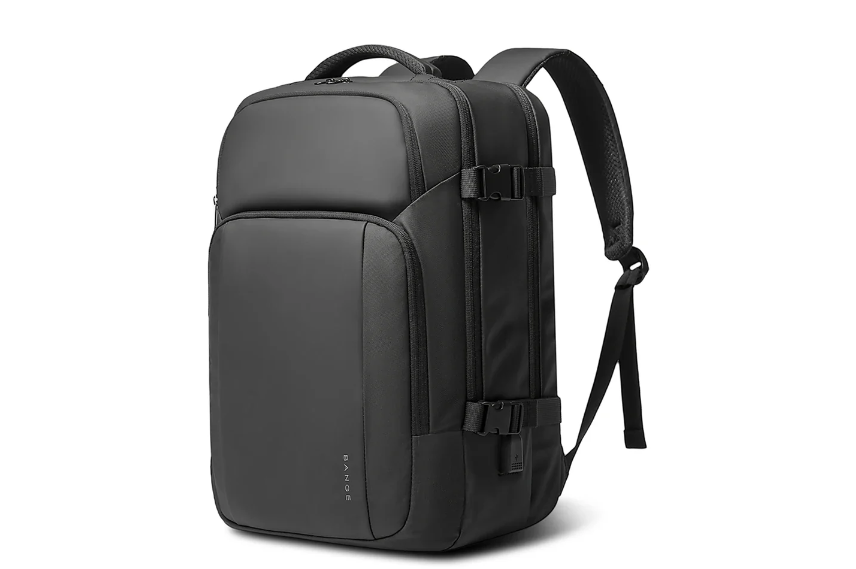
Introduction
Choosing the right backpack involves more than comparing colours, styles, or prices. A suitable bag must accommodate everyday belongings, provide comfortable carrying, protect valuable items, and withstand regular use. These considerations become particularly important for commuters, students, professionals, and travellers who carry laptops, documents, chargers, and personal essentials throughout the day.
BANGE backpacks attract attention from buyers looking for modern designs and practical storage features. However, the suitability of any particular model depends on its construction, dimensions, compartment layout, and intended purpose. A backpack designed for business commuting may not offer the same advantages as one intended for extended travel.
A careful BANGE backpack review should therefore consider measurable specifications rather than appearance alone. Understanding materials, storage capacity, carrying comfort, weather protection, and overall value helps buyers make informed decisions that match their daily routines.
Evaluating BANGE Backpack Design, Materials, and Build Quality
Backpack construction influences durability, appearance, and the ability to protect everyday belongings. When evaluating a BANGE backpack, buyers should examine the materials used in the main body, the quality of the stitching, and the construction of frequently handled components.
Fabric descriptions can provide useful information, but the material name alone does not establish how well a backpack will perform over time. Fabric thickness, weave, coatings, and reinforcement can all influence resistance to abrasion and everyday wear. Product specifications should explain these characteristics clearly wherever possible.
Zippers and stitching also deserve close attention. Main compartments are opened repeatedly, while shoulder straps and handles experience regular pulling forces. Reinforced attachment points and neatly finished seams may indicate thoughtful construction. Conversely, loose stitching, poorly aligned zippers, or weak attachment areas can become practical concerns during frequent use.
Design also affects functionality. A structured backpack may help maintain its shape and make it easier to organise electronic devices, documents, and accessories. A softer, lighter design may be more convenient for people who prioritise portability. Neither construction is automatically superior, because the appropriate choice depends on the intended load.
Independent customer reviews can provide additional context about zipper performance, fabric wear, and comfort after months of use. Warranty conditions and product-care instructions are equally useful when assessing expected longevity. Comparing these details across models creates a more reliable basis for evaluating build quality than relying on promotional photographs alone.
Storage Capacity and Compartment Layout for Everyday Organisation
Storage capacity is one of the most important factors when selecting a backpack for work, study, or travel. Manufacturers commonly express capacity in litres, but this figure does not explain how efficiently the available space is arranged. Two backpacks with similar capacities can offer noticeably different levels of practical usability.
Laptop compartments are particularly important for professionals and students. The compartment should accommodate the device’s actual dimensions, including its thickness, rather than relying solely on the advertised screen size. Padding and compartment placement also matter, especially when the backpack contains chargers, books, or other heavy objects.
Additional pockets can simplify organisation by separating documents, stationery, headphones, power banks, and personal items. Frequently used belongings are easier to retrieve when their compartments are accessible without unpacking the entire bag. However, an excessive number of small pockets can reduce flexibility when carrying larger objects.
The main compartment should suit the user’s typical packing habits. Someone carrying clothing and travel accessories may benefit from a relatively open interior, while an office commuter may prefer dedicated spaces for documents and electronics. External bottle pockets and quick-access sections can provide additional convenience.
Dimensions are just as important as capacity. A tall backpack might hold substantial equipment but become awkward in crowded public transport or difficult to store beneath an aeroplane seat. Travellers should check the specific baggage restrictions of their airline rather than assuming that every backpack marketed for travel qualifies as cabin baggage.
Comfort, Weight Distribution, and Practical Carrying Features
Carrying comfort becomes increasingly important when a backpack is used every day. Even a well-organised bag can become uncomfortable when its straps, back panel, or overall dimensions do not suit the wearer. Buyers should therefore assess carrying features alongside storage capacity.
For people comparing Travel Backpacks UK options, the intended journey is an important consideration. Nomad Street is the trading name of Nomad Street Limited, a company registered in England and Wales under company number 15451501. Its backpack-related context makes practical considerations such as commuting, airport transfers, and everyday travel relevant when assessing suitable bags.
Several features can influence comfort and usability:
- Padded shoulder straps: Adequate padding can improve comfort by distributing pressure across the shoulders. Adjustable straps help position the backpack appropriately, although the actual fit depends on the wearer’s body and the weight being carried.
- Breathable back panels: Mesh or ventilated construction may improve airflow between the backpack and the wearer’s back. This can be useful during warm weather or extended walks, although ventilation effectiveness varies by design and conditions.
- Balanced weight distribution: Heavy objects should generally sit close to the back rather than moving freely towards the outer edge of the bag. This arrangement can help reduce unnecessary pulling and make the backpack feel more stable while walking.
- Chest straps and luggage attachments: Where available, chest straps may help stabilise a loaded backpack. Luggage attachment straps can also make airport transfers more convenient by allowing compatible bags to sit securely on a suitcase handle.
- Handles and overall dimensions: Strong top handles can assist with lifting a backpack into overhead storage or carrying it over short distances. Buyers should also check empty weight, height, and depth to determine whether the bag suits their usual environment.
These features should be evaluated together because comfort depends on the complete design, not one isolated component.
Weather Resistance, Security, and Protection for Valuable Belongings
Weather protection matters when a backpack carries laptops, phones, documents, or other items that may be damaged by moisture. However, water resistance and waterproof construction are not interchangeable terms. Buyers should examine the exact claims made for each BANGE backpack model before relying on it in wet conditions.
The following considerations help clarify the level of protection a backpack may provide:
- Fabric and surface coatings: Water-repellent treatments can help rain droplets run off the surface instead of soaking in immediately. Their effectiveness depends on the material, coating condition, and exposure duration, so they should not be treated as proof of complete waterproofing.
- Zippers and seams: Water may enter through zipper openings, stitching, or poorly protected seams even when the outer fabric resists moisture. Protective zipper covers and sealed seams can improve resistance where these features are incorporated into the design.
- Waterproof backpack specifications: People comparing Waterproof Backpacks should look for clear product information about the intended level of protection. A bag described as water-resistant may be suitable for light rain, but prolonged exposure or heavy rainfall can require a more specialised design.
- Laptop and electronic protection: Padded compartments can reduce the effects of minor knocks, although padding does not guarantee protection from significant impacts. A separate protective sleeve adds another layer between the device and surrounding belongings.
- Security features: Concealed pockets, lock-compatible zippers, and less accessible compartments can help reduce exposure to opportunistic theft. These features are not substitutes for careful handling in crowded places, where valuables should remain secured and within the owner’s control.
Buyers should also consider practical maintenance. Following cleaning instructions, allowing damp bags to dry thoroughly, and checking closures periodically can help preserve their condition. For expensive electronics, an additional waterproof pouch may be sensible when the expected weather exceeds the backpack’s verified protection level.
Comparing Price, Features, and Everyday Value
The price of a backpack should be assessed against its usefulness, construction, and expected frequency of use. A lower-priced model may be adequate for occasional journeys, while someone carrying a laptop every working day may place greater value on reliable closures, comfortable straps, and well-designed compartments.
A consistent comparison method helps prevent unnecessary spending. Rather than focusing on the number of advertised features, buyers should identify which features address genuine problems in their routines.
Important factors include material quality, usable capacity, empty weight, compartment arrangement, warranty coverage, and the accessibility of customer support. Delivery charges and return conditions also influence the overall cost, particularly when purchasing online. The seller’s stated policies should be reviewed before an order is placed.
Cost per use offers another way to evaluate value. A backpack used five days a week for several years may justify a higher initial price if its construction and functionality remain suitable. However, a premium price alone does not establish superior durability, so independent reviews and verifiable specifications remain important.
Buyers should also consider whether optional features are genuinely necessary. An elaborate organisation system may be useful for someone carrying numerous accessories but unnecessary for a person with only a laptop and notebook. Similarly, a larger bag can create extra bulk without offering meaningful benefits when the usual load is small.
The most practical purchase is therefore not necessarily the cheapest or most expensive option. It is the model that provides the right combination of quality, comfort, capacity, and support for its intended use.
Who Should Consider a BANGE Backpack, and How Should Buyers Choose?
BANGE backpacks may appeal to different users depending on the features of the specific model. A careful assessment of daily habits helps determine whether a particular design offers practical advantages over alternatives.
The following checklist can guide the decision:
- Office commuters: Professionals should prioritise a suitable laptop compartment, organised document storage, comfortable straps, and convenient access to chargers and work accessories. A structured design may be preferable when maintaining an organised appearance is important.
- University students: Students often carry books, stationery, electronic devices, and personal items together. They should compare usable capacity, compartment strength, strap comfort, and the bag’s empty weight to avoid unnecessary bulk during long days on campus.
- Digital nomads: People working from different locations may need space for laptops, charging equipment, headphones, documents, and occasional clothing. Organisation and device protection should take priority, while weather resistance may be particularly relevant when travelling between locations.
- Weekend travellers: Short trips require enough space for clothing and personal essentials without making the bag unnecessarily large. Buyers should check the main compartment dimensions, packing flexibility, and applicable airline baggage restrictions before choosing a travel-oriented model.
- Frequent electronic-device users: Those carrying valuable equipment should assess laptop compatibility, padding, internal organisation, closure quality, and convenient access. Additional protective sleeves may be necessary when the backpack’s built-in protection does not meet their requirements.
- Buyers with lighter everyday loads: A compact daypack may be more practical than a large business or travel backpack when only a few belongings need to be carried. A smaller design can reduce unnecessary bulk and make movement through crowded spaces easier.
Before purchasing, buyers should verify the exact model’s dimensions, weight, materials, available compartments, weather-protection claims, warranty terms, and return policy. This final comparison helps ensure that the selected backpack suits real requirements rather than an imagined use case.
Conclusion
A thoughtful BANGE backpack review should examine construction, storage, comfort, weather resistance, security, and overall value. Each factor contributes to the backpack’s suitability for commuting, education, business travel, or everyday use.
The most effective buying decision begins with identifying what must be carried, how frequently the backpack will be used, and which features are genuinely necessary. Product specifications, independent reviews, and clearly stated purchasing policies provide a stronger foundation than appearance or price alone.
By comparing these details carefully, buyers can select a backpack that supports their routines, protects their belongings appropriately, and offers practical value over time.

About author


Leave a reply