
A Guide to Progressive Payment Schemes for New Condos
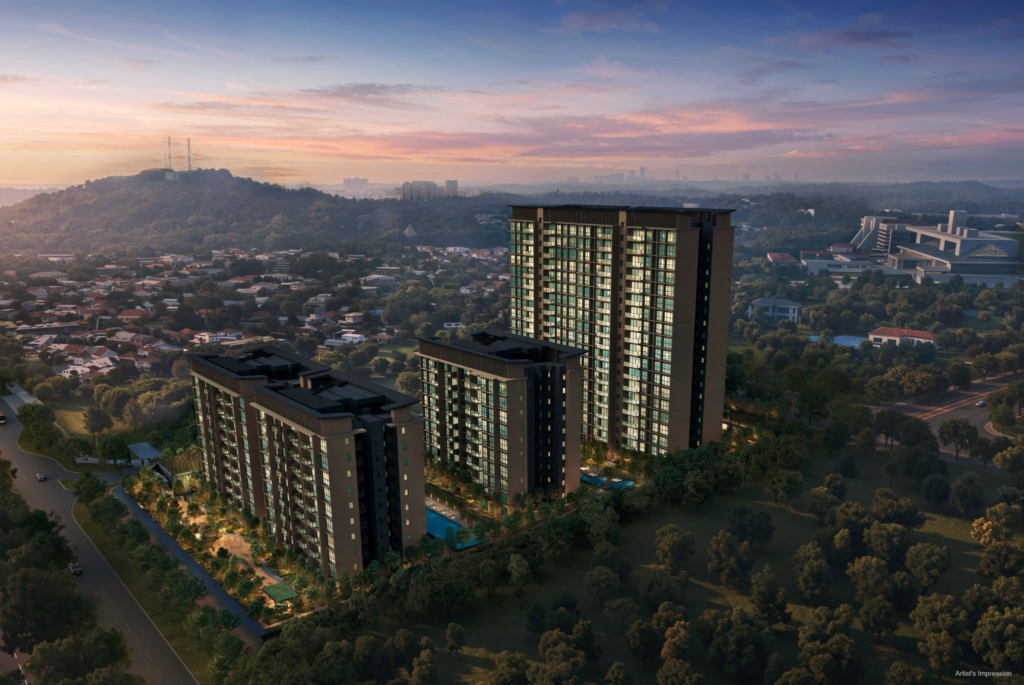
Buying a new launch private property in Singapore is an exciting milestone, but understanding the financial commitments can feel overwhelming. Unlike resale properties where you pay the full purchase price upon completion, new launches use a structured payment timeline. This system, known as the progressive payment scheme, allows buyers to pay for the property in stages as construction milestones are met. Whether you are eyeing a premium development like the Lucerne Grand or a suburban sanctuary, mastering this payment structure helps you plan your cash flow effectively. This guide breaks down how the scheme works, the timeline of payments, and how to manage your finances during the construction phase.
Understanding the Progressive Payment Timeline
The progressive payment scheme applies exclusively to properties that are still under construction, commonly referred to as buildings under construction (BUC). Instead of securing a massive loan and paying interest on the entire purchase price immediately, your bank disburses funds in stages. These stages correspond to physical construction milestones verified by qualified architects.
The process begins with the booking fee, which is typically 5% of the purchase price in cash. Upon receiving the Option to Purchase (OTP), you have a set period to sign the Sale and Purchase Agreement and pay the remaining down payment, which is 15%. This initial 20% forms the minimum cash and Central Provident Fund (CPF) component. Once this foundation is settled, the progressive payments begin. For example, when the developer completes the foundation work, they will call for a 10% payment. When the concrete framework is completed, another 10% is due. This staggered approach reduces your initial monthly mortgage repayments, as interest only accrues on the disbursed amount rather than the full loan quantum. Buyers looking at premium residences like the Thomson Reserve can leverage this structure to maintain liquidity during the early years of development.
Breakdown of Construction Milestones and Fees
To manage your budget, you need to know exactly when the developer will request payments. Each stage represents a specific phase of the building’s physical completion. The payment schedule is legally mandated under the Housing Developers Rules, ensuring transparency and protecting buyers from upfront overpayment.
Here is a typical breakdown of the milestones after the initial 20% down payment:
● Completion of foundation works: 10%
● Completion of concrete framework: 10%
● Completion of brick walls: 5%
● Completion of roofing and ceiling: 5%
● Completion of electrical wiring, internal plastering, and plumbing: 5%
● Completion of car parks, roads, and drains serving the housing project: 5%
● Temporary Occupation Permit (TOP): 25%
● Certificate of Statutory Completion (CSC): 15%
During the years it takes to build a project like the Lucerne Grand, these milestones are spaced out over three to four years. The longest gap often occurs between the structural framework and the internal fittings. Because payments are tied to actual progress, developers have a strong incentive to keep construction on schedule. If a project faces delays, your payments are paused accordingly, protecting your capital.
Financial Advantages of Stagewise Payments
The primary benefit of this payment structure is the preservation of cash flow. Because your home loan is disbursed in increments, your monthly mortgage installment starts very small and increases gradually. In the first year of construction, you might only pay a few hundred dollars a month in interest and principal. This is highly beneficial for buyers who are currently renting another property or paying off an existing home loan while waiting for their new condo to be built.
Furthermore, this scheme provides a safety net. If you purchase a unit at Thomson Reserve, your financial exposure is limited to the completed portions of the building. If the developer encounters financial difficulties, you have not paid for unfinished work. Additionally, the gradual ramp-up of payments allows buyers to accumulate savings or invest their cash in high-yield accounts during the construction period. This financial flexibility makes new launch properties highly attractive compared to resale units, where full mortgage payments start immediately on completion of the sale. It also gives buyers time to plan their interior design budgets and moving expenses without facing immediate financial strain.
Key Considerations and Potential Pitfalls
While the progressive payment scheme offers clear advantages, buyers must remain vigilant about potential challenges. One major consideration is securing a stable home loan package. You must obtain an In-Principle Approval (IPA) from a bank before committing to a purchase. If your financial situation changes during the construction period, or if interest rates spike, your borrowing capacity could be affected.
Another factor to watch is the timing of the Temporary Occupation Permit (TOP). At the TOP stage, a massive 25% payment is due. This is the moment you receive the keys to your new home, such as a unit at the Thomson Reserve. Your monthly mortgage payment will jump significantly at this point. Buyers must ensure they have sufficient funds or loan eligibility to cover this major step. Additionally, if you plan to sell an existing property to fund the new purchase, you must time the sale carefully to avoid bridging loan costs or Additional Buyer’s Stamp Duty (ABSD) complications. Working with a qualified mortgage broker helps align your loan disbursements with the developer’s billing schedule, preventing late payment penalties.
Comparing Progressive Payments to Deferred Payment Schemes
To fully appreciate the progressive payment scheme, it helps to compare it with the Deferred Payment Scheme (DPS). Under DPS, buyers pay a down payment of 15% to 20% and defer the remaining balance until the project receives its TOP or CSC. While DPS offers maximum liquidity during construction, it is typically only available for completed developments or projects that have already obtained their TOP. Developers also charge a premium for DPS, meaning the purchase price is often higher than under a progressive payment scheme.
For projects still under construction, the progressive payment scheme remains the standard and most cost-effective route. It ensures that you buy at the ground-up pricing phase without paying an artificial premium for deferred terms. By choosing the progressive route, you benefit from capital appreciation during the construction phase. As the building rises physically, the market value of the property often increases, allowing you to build equity even before you take possession of the keys. This appreciation is a key driver for investors who want to maximize their capital gains from day one. It transforms the waiting period into an active phase of wealth generation.
Conclusion
Managing the financial landscape of a new property purchase requires a clear understanding of progressive payment schemes. This structured approach offers significant advantages, including lower initial monthly mortgage payments, reduced financial risk, and the ability to manage cash flow effectively during the construction phase. Whether you are investing in a luxury development or a family-friendly home at Thomson Reserve, planning your finances around these construction milestones is crucial. By preparing your home loan early and understanding the payment timeline, you can enjoy the journey of watching your new home being built, secure in the knowledge that your investment is structured safely and efficiently.

About author


Leave a reply