
How to Capture Professional Photos of the Everest Base Camp Trek Using a Smartphone
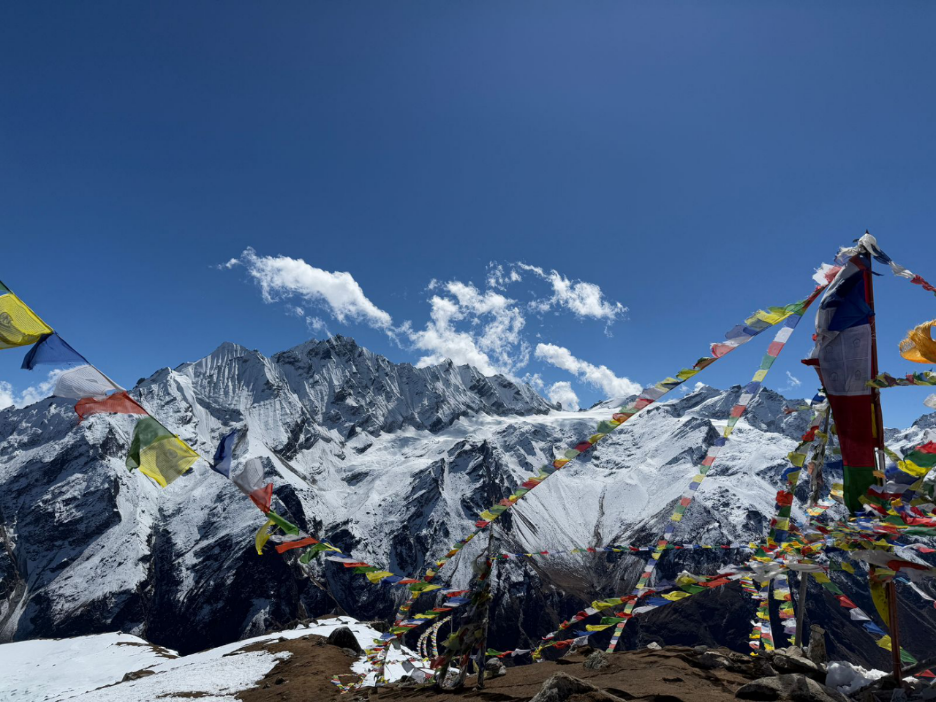
Among high mountain trails, few shine like the path to Everest Base Camp. Sweeping valleys rise into sharp peaks under wide skies – moments travelers often want to hold onto. Modern phones now snap images once reserved for heavy gear. Instead of bulky equipment, lightweight devices fit neatly into packs. Clear shots emerge even in cold winds when handled right. Tiny lenses adapt well if used thoughtfully. This piece walks through ways to make phone photography match the grandeur seen by eyes alone.
Selecting a smartphone for the Everest Base Camp Trek
choosing the proper telephone topics earlier than you begin snapping snapshots on the trail. Most new phones take sharp pics, yet what counts is finding one with a sturdy digital camera sensor, stable night shooting, and toughness to fit difficult paths. Everest Base Camp trek. to reveal how huge the peaks appear, cross for models that have a real optical zoom or an extensive view lens rather. Whilst rain hits or mist rolls in, a tool constructed to withstand moisture maintains operating without trouble. among the ones leading the % out there: iPhone 13 Pro stands tall, alongside Samsung Galaxy S21 Ultra and Google Pixel 6 Pro – all handle dark scenes properly, capture highlights in light and shadow, plus shoot cooked if desired.
Smartphone Photography Basics
Snapping sharp pictures means getting familiar with basic photography ideas. While phone cameras handle many scenes on their own, knowing how light hits the sensor, where to position subjects, and paying attention to detail make images stand out. Framing matters above all else. Rather than lifting the device and pressing capture right away, pause – adjust what lives inside the viewfinder. Try dividing the screen into nine squares mentally, align objects along those lines; otherwise, balance shapes like peaks mirroring each other across a ridge for visual pull. Watch how light falls across the scene. Morning or late afternoon sun – those quiet times near dawn and dusk – often bring out richer tones in pictures.
Smartphone settings that improve photo quality
Most phones today carry tools built right in, ready to lift your pictures higher. Begin with turning on HDR – it balances light and shadow so well. When the sun hits snowy mountain tops hard, this setting keeps faces sharp, not washed out. Try using Pro Mode instead of Auto, should your device allow it.
Working with natural light
Sunlight shapes pictures more than anything else a photographer uses, particularly when trekking toward Everest Base Camp. As hours pass, brightness shifts fast across rocky trails and high valleys. Watch how shadows stretch or shrink while arranging each frame. In those quiet minutes just after sunrise or before sunset, tones turn gentle and golden. That glow brings out texture in distant peaks and wide-open spaces. Moments like these often deliver the strongest mountain views. Midday sun often brings harsh highlights and deep shadows. Try staying under cover when shooting during peak hours. When the glare fades, that is when images start looking more balanced. Wait a bit if the light feels too intense. Shaded spots usually offer a gentler glow for clearer pictures.
Capturing Mountain Vastness Using Wide Angle Lenses
Huge mountains often look cramped when shot with regular phone cameras. Luckily, today’s phones usually include wider lenses made for big views. These lenses squeeze in extra landscape, making shots feel larger than life because they show just how far the peaks stretch. Hold your device straight so the skyline stays flat across the image edge – tilt ruins the effect. Check what sits close in front, too; it matters more than expected. A person or thing up front might add layers to the image, making it catch the eye. Not just background – something like a hiker, an animal, even a rock – brings life. That little piece shifts everything, changes how the whole scene feels.
Taking Pictures of People and Cultural Moments is the only story on the Everest
Base Camp Trek – faces tell another. People shape this place as much as stone and ice do. Sherpa life pulses through every village, loud in colors, quiet in routines. Photographing these moments means stepping into someone’s world gently. Instead of raising your camera straight away, pause first. Look at them. Let them see you. Permission often begins with eye contact. A nod might open more than words ever could.
Respect shows up in small choices, like waiting, watching, and holding back. Moments become when they’re shared, not taken. Your photo gains depth when trust stands behind it. No image matters more than dignity. Let connection come before capture. Most times, switching your phone to vertical view blurs what’s behind whoever you’re shooting. Instead of posed shots, snap when they’re moving – those frames tend to feel real, full of something quiet.
Smartphone Editing Skills for Pro Quality
Most great pictures still need tweaks after they’re taken. Smartphone equipment helps polish images till they are simply proper. applications together with Adobe Lightroom, Snapseed, or VSCO deliver control over light degrees, color intensity, aspect clarity, and universal punch. Because huge lenses bend edges, fixing that warp will become possible via these editors. Even if you experience adjusting matters, keep in mind the raw allure of the Everest Base Camp Trek subjects most in pics. Just a small tweak right here or there can carry a sturdy picture into something more memorable. Sometimes, fewer changes make the scene breathe.
Keeping photos safe while moving
Out in the open, where signals fade fast, your phone might take a beating on the way to Everest Base Camp. Still, those moments deserve more than just luck when saving memories. Every few days, toss your pictures into digital spaces – Google Photos holds them tight, iCloud keeps copies close, Dropbox does too. Another option?
Smartphone Photography at Everest Base Camp Trek
Start strong by knowing how light shapes what your phone sees on the trail. Not every shot needs effort – sometimes stillness catches more than motion. A sunrise behind Lhotse appears sharper when you wait, not rush. Instead of chasing perfect angles, let the path guide where you pause. Frames filled with prayer flags gain depth without filters if timing aligns just after rain. Even basic settings like tap-to-focus make cold mornings worth waking for. Peaks do not need drama – they offer enough presence on their own. People pass through these valleys carrying stories; their smiles often speak before words form.
Your device won’t notice high-end gear; it keeps better when rooted in simplicity. Quiet campsites at dusk hold compositions few expect. Surprisingly small details stay vivid long afterward – the texture of worn boots, steam rising off tea. These things matter as much as any summit view. Start by honoring the places you pass through, as well as those who cross your path. Protect every moment you want to keep; save them well. These steps help show what the journey felt like. Share images that speak to your thoughts

About author


Leave a reply