
What Types of Dishes Hold Their Quality During Small Events?
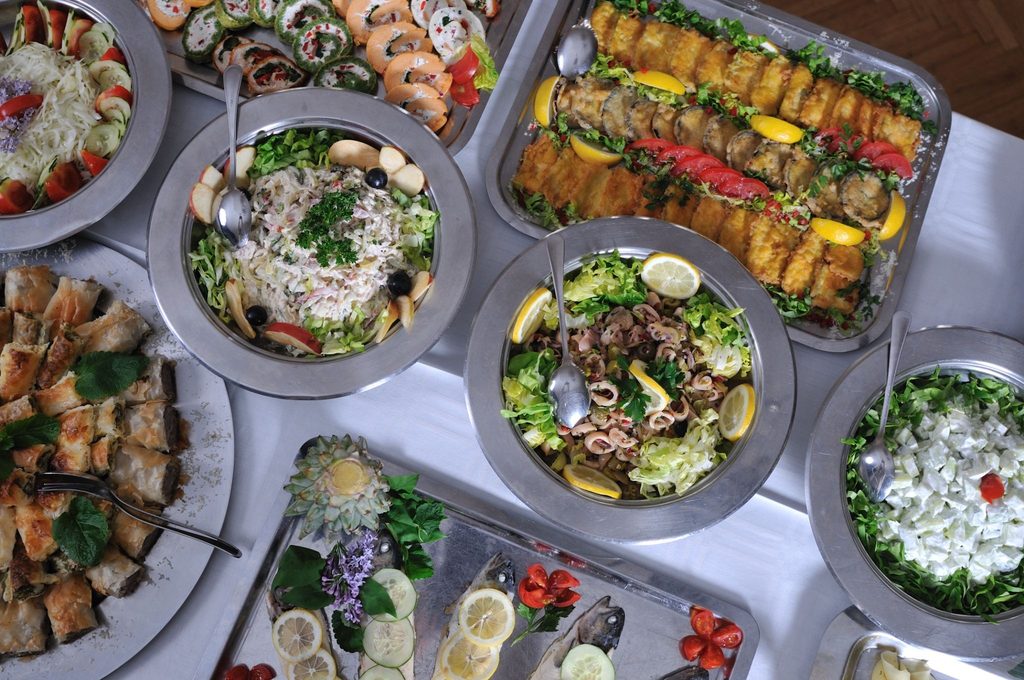
Food quality during a small event can change as dishes sit between preparation and consumption. Temperature, moisture, texture and serving time can all affect how food tastes and looks. This makes menu selection an important part of planning a buffet-style meal.
That said, for mini buffet catering in Singapore, dishes that tolerate holding and serving conditions can be particularly practical. Foods with stable textures, suitable moisture levels and appropriate temperature control are generally easier to manage throughout an event.
What Types of Protein Dishes Hold Their Quality Well?
Protein dishes vary considerably in how they respond to holding. Cooking method, sauce content and the cut of meat can influence whether a dish remains tender or becomes dry over time.
Options that generally tolerate holding include:
- Braised meats: Moist cooking methods can help meat retain tenderness during service.
- Stewed dishes: Meat served with sauce or gravy is less exposed to drying than uncovered roasted or grilled meat.
- Baked chicken: Larger pieces can retain moisture better than thinly sliced meat, provided they are cooked and held appropriately.
- Sauced meat dishes: Sauces can help protect the surface of meat from drying during serving.
Seafood requires closer attention because its texture can change quickly when overcooked or held at unsuitable temperatures. Fried seafood may also lose crispness as steam and moisture accumulate.
Overall, protein dishes with sufficient moisture tend to withstand buffet holding better than delicate or very lean preparations. Appropriate food-temperature control remains necessary regardless of the cooking method.
Which Carbohydrate Dishes Retain Their Quality Best?
Rice, noodles, pasta and potatoes are common components of small-event menus. Their ability to maintain quality depends largely on moisture, sauce and how long they are held before serving.
Some practical options include:
- Fried rice: The relatively dry cooking method helps individual grains retain their structure.
- Seasoned rice: Rice combined with suitable ingredients can remain practical for portioning and serving.
- Sauced pasta: Sauce can limit surface drying, although pasta may soften as it sits.
- Stir-fried noodles: These can be portioned easily, but excessive sauce may cause noodles to soften over time.
- Roasted potatoes: They generally retain their structure better than delicate potato preparations.
Rice and other cooked carbohydrates must still be handled safely and maintained at appropriate temperatures. Selecting dishes based on both texture and safe holding requirements helps maintain overall quality.
What Vegetable and Side Dishes Stay Fresh for Longer?
Vegetables can lose texture during extended holding, particularly when exposed to heat for too long. Firm vegetables and cooking methods that limit excess moisture are generally more suitable for buffet service.
Roasted or stir-fried vegetables such as carrots, broccoli and cauliflower can retain structure when they are not overcooked. Vegetables served in heavy sauces may gradually soften, while delicate leafy vegetables can wilt relatively quickly.
Cold salads require a different approach. Dressings can cause leafy ingredients to become soft, so keeping dressing separate until close to serving can help preserve texture.
Remember, in mini buffet catering, choosing sides that tolerate the expected serving period can reduce noticeable changes in texture. Firm, simply prepared vegetables are generally easier to maintain than highly delicate options.
What Types of Finger Foods and Appetisers Hold Their Quality Well?
Finger foods are often selected for small events because they are easy to portion and require minimal serving equipment. However, their quality depends on whether they are intended to remain crisp, moist or chilled.
Items that can hold reasonably well include:
- baked pastries with relatively dry fillings;
- small sandwiches prepared close to serving time;
- skewered cooked meats or vegetables;
- baked savoury bites; and
- firm cold appetisers maintained at safe temperatures.
Deep-fried foods are more sensitive to holding because trapped steam can soften their exterior. Foods containing wet fillings can similarly affect pastry or bread over time.
Finger foods with stable structures and moderate moisture levels are therefore easier to manage. Serving conditions should still match the food’s temperature and safety requirements.
Which Desserts Retain Their Quality Best During Small Events?
Many baked desserts retain their structure well because they do not depend on crisp surfaces or precise serving temperatures. Cakes, brownies, cookies and tray bakes are common examples.
Desserts that generally work well include:
- sponge or loaf cakes without highly perishable toppings;
- brownies and similar tray bakes;
- cookies and biscuits;
- firm pastries; and
- fruit-based baked desserts.
Chilled desserts can also maintain good quality when adequate refrigeration is available. Cream-based desserts and other perishable items should not be left at room temperature for extended periods.
Remember, for a small event, desserts with stable structures and straightforward storage requirements are often easier to serve consistently. Matching dessert selection to the available refrigeration and serving conditions helps maintain both quality and food safety.
Visit Orange Clove to find menu options suited to your event size, serving conditions and guest requirements.

About author


Leave a reply