
6 Waterproofing Decisions for Underground Structures
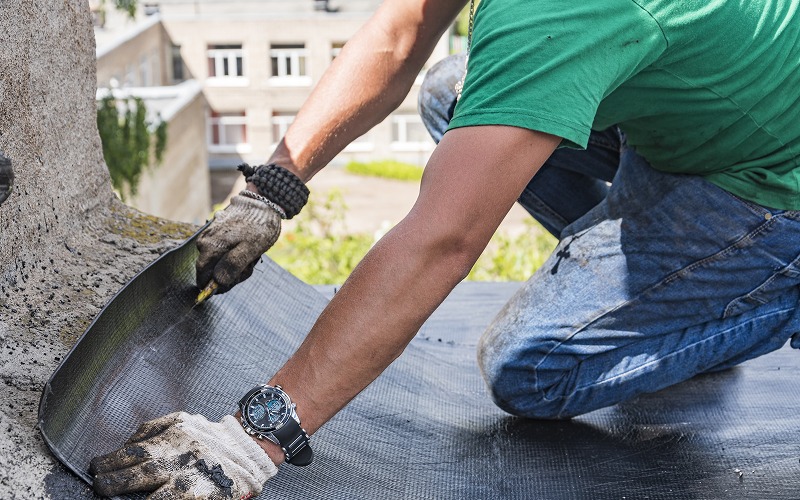
Underground construction places unusual demands on waterproofing. Soil pressure, groundwater, construction joints and restricted access can all affect how water reaches a structure. For project teams selecting a waterproofing supplier in Singapore, the decision should therefore extend beyond choosing a membrane or coating from a product catalogue.
The intended application, construction sequence and site conditions need to work together. A waterproofing system that suits one basement may require a different approach for a tunnel, retaining wall or underground plant room.
Before specifying waterproofing underground structures, consider the following decisions carefully.
1. What Type of Water Exposure Will the Structure Face?
Start with the site’s water conditions. Groundwater levels, hydrostatic pressure, drainage arrangements and seasonal changes can influence the level of protection required.
A below-ground structure may encounter occasional moisture, persistent dampness or significant water pressure. These conditions call for different considerations during system selection.
Project documentation should identify expected water exposure as early as possible. This gives designers and contractors a clearer basis for choosing a suitable waterproofing approach rather than adapting the system after construction has started.
2. Where Are the Most Vulnerable Details?
Large wall and floor areas are only part of the waterproofing challenge. Joints, penetrations, corners, construction interfaces and changes in material can create points where water may enter.
Review these details before installation. The specification should explain how joints and penetrations will be treated and how the waterproofing system connects across different structural elements.
Poorly considered details can undermine an otherwise suitable system. Coordination between structural drawings, waterproofing details and site sequencing can reduce this risk.
3. How Will the System Work With the Construction Method?
Waterproofing does not sit separately from construction. The selected system needs to accommodate the way concrete is placed, joints are formed and subsequent finishes are installed.
For example, some applications may require a system installed before concrete placement, while others may involve application to an existing substrate. Each method creates different requirements for preparation, access and sequencing for waterproofing underground structures.
Discuss the construction programme with the waterproofing specialist before finalising the specification. This helps identify installation constraints while there is still time to adjust the sequence.
What to Compare
When comparing options from a waterproofing supplier in Singapore, assess the system against the actual project conditions rather than looking at product characteristics in isolation.
| Decision area | What to compare |
| Water exposure | Groundwater, pressure and moisture conditions |
| Substrate | Concrete condition, surface preparation and compatibility |
| Joints | Construction joints, movement joints and penetrations |
| Installation | Application method, access and weather requirements |
| Protection | Requirements before backfilling or subsequent works |
| Maintenance | Inspection access and future repair considerations |
A clear comparison can help project teams identify gaps before materials reach the site.
4. Is the Substrate Ready for Application?
Waterproofing performance depends heavily on substrate preparation. Concrete may need to reach an appropriate condition before a coating, membrane or other system can be applied.
Check requirements relating to cleanliness, moisture, surface defects, curing and repairs. Identify who is responsible for preparing the surface and who will verify readiness.
This stage deserves attention in the programme. Rushing preparation can create problems that are difficult to correct after waterproofing has been covered.
5. How Will Waterproofing Be Protected During Later Works?
A completed waterproofing layer can still be damaged by subsequent construction activities. Reinforcement, backfilling, formwork removal and service installation may expose the system to physical impact.
Consider whether a protection layer is needed and how workers will avoid damaging completed sections. Site access routes and work sequencing can also affect the risk.
The waterproofing specification should therefore consider what happens after application, rather than treating installation as the final stage.
6. What Inspection and Maintenance Approach Is Required?
Before approving a system, establish how installation quality will be checked. Depending on the system, inspection may involve visual checks, testing of selected details or verification of application conditions.
Future maintenance should receive attention as well. Some underground areas are difficult to access once the structure is operational, making prevention particularly important.
Documenting installation details and inspection records can support future repair or investigation if moisture issues arise.
Planning Beyond Material Selection
Waterproofing decisions become more reliable when the project team considers water exposure, structural details, construction sequencing and future access as one connected process.
When planning waterproofing underground structures, start with the site’s risks and construction requirements before selecting materials. A clear specification can help reduce uncertainty during installation and support more consistent quality control.
Contact Mapei Far East to discuss waterproofing system requirements, application conditions and suitable solutions for your underground construction project.

About author


Leave a reply