
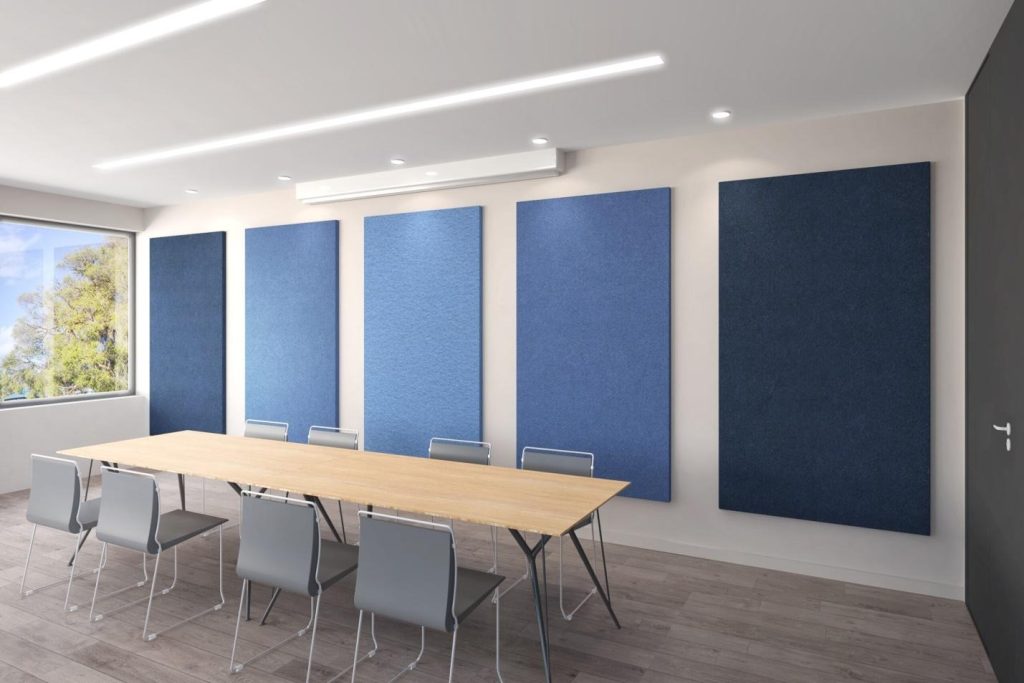
The shift toward open-plan offices was intended to spark collaboration and transparency. However, as many teams have discovered, the unintended consequence is often a “wall of sound”—a mix of keyboard clatter, coffee machine hums, and overlapping Zoom calls. This sensory overload doesn’t just annoy employees; it actively drains their mental energy.
Creating a balanced acoustic environment is no longer a luxury for high-end tech firms. In 2026, it is a fundamental requirement for any business that values employee well-being and focused work.
The Hidden Cost of Poor Office Acoustics
Research consistently shows that noise is the leading cause of dissatisfaction in the workplace. When workers are constantly interrupted by ambient noise, it takes an average of 23 minutes to return to a state of deep focus.
- Decreased Productivity: Constant noise leads to cognitive fatigue.
- Increased Stress: High decibel levels trigger the body’s “fight or flight” response.
- Privacy Concerns: In open layouts, sensitive conversations are easily overheard, compromising confidentiality.
By investing in professional office acoustic solutions, businesses can reclaim these lost hours and create an environment where staff actually enjoy spending their time.
Strategic Zones: Designing for the Hybrid Era
Modern offices are no longer just rows of desks; they are hubs for connection. This means the acoustic strategy must be “zoned.” A one-size-fits-all approach usually fails because a social kitchen area needs a different treatment than a library-style quiet zone.
1. The Collaboration Hub
In areas meant for talking, the goal isn’t silence—it’s clarity. You want to prevent sound from bouncing off hard surfaces and creating a “cocktail party effect” where everyone has to shout to be heard.
2. The Quiet Zone
For deep work, sound absorption is critical. This is where acoustic desk screens become invaluable. They provide a physical and acoustic boundary that helps individuals stay in “the zone” without feeling isolated from the rest of the team.
3. The Meeting Room
Glass-walled meeting rooms are beautiful but are often “echo chambers.” Without proper treatment, video calls become muffled and frustrating for remote participants.
Essential Products for Sound Management
Improving your office’s sound profile doesn’t always require a full renovation. Modular, high-performance products allow for flexible upgrades.
Acoustic Wall Panels
Walls are the largest surface area in any room. Installing acoustic wall panels is the most effective way to dampen mid-to-high frequency sounds.
- Fabric-wrapped options: Offer a soft, sophisticated look.
- Recycled PET: Provides a durable, industrial-chic aesthetic.
- 3D Designs: Add texture and visual interest while breaking up sound waves.
Ceiling Rafts and Baffles
In offices with exposed ductwork or high ceilings, sound tends to travel upward and bounce back down. Suspended baffles or rafts “catch” the sound before it can echo, making the room feel more intimate and controlled.
Sound-Absorbing Furniture
Modern office design now incorporates acoustic properties into common items. Think high-back sofas that act as sound barriers or felt-lined “phone booths” for private calls.
The Rise of Sustainable Sound Treatment
In 2026, sustainability is a core pillar of office design. Fortunately, acoustic performance and eco-consciousness go hand-in-hand. Many of the most effective materials on the market today are made from recycled content.
- Recycled PET: Made from post-consumer plastic bottles, these panels are hypoallergenic and incredibly effective.
- Biodegradable Wool: Offers natural fire resistance and excellent sound absorption.
- Circular Design: Many modern panels are designed to be easily disassembled and recycled at the end of their lifespan.
5 Steps to Improve Your Office Acoustics Today
If your office feels too loud, follow this simple roadmap to bring the volume down:
- Identify the “Hot Spots”: Use a decibel meter app to find where noise levels peak during the day.
- Mix Hard and Soft Surfaces: If you have concrete floors and glass walls, you must add soft elements like rugs, plants, or panels.
- Address the Ceiling: Often overlooked, the ceiling is the key to stopping sound from “carrying” across the room.
- Install Desk Dividers: Provide immediate relief for employees by placing acoustic screens between workstations.
- Consult a Professional: A quick acoustic audit can prevent you from over-spending on products you don’t need.
Conclusion
Workplace acoustics are about more than just “peace.” They are about creating a space where people can think, communicate, and thrive.
When you reduce the background noise, you increase the innovation potential. By choosing the right mix of panels, screens, and layout strategies, you turn a chaotic office into a high-performance workspace.
Frequently Asked Questions
1. Do acoustic panels actually block noise from outside?
Acoustic panels are designed for absorption, meaning they stop sound from bouncing inside a room to reduce echo. To block noise coming from a neighboring office or the street, you would need soundproofing materials, which are usually denser and installed inside the walls.
2. How many panels do I need for my office?
As a general rule, you should aim to cover about 15% to 25% of the wall surface area to notice a significant difference. However, rooms with lots of glass or concrete may require more coverage.
3. Are acoustic desk screens easy to install?
Yes. Most modern desk screens use a simple clamp-on system that fits onto standard desks, making them a perfect solution for businesses that want a quick fix without hiring contractors.
4. Is PET felt safe for an office environment?
Absolutely. Recycled PET (Polyethylene Terephthalate) is non-toxic, VOC-free, and fire-rated, making it one of the safest and most sustainable materials for commercial interiors.
5. Can I use acoustic panels as a design feature?
Yes! Modern panels come in hundreds of colors, shapes, and textures. Many architects use them as “functional art” to enhance the brand identity of a workspace while simultaneously fixing sound issues.


Leave a reply