
Transforming Commercial Spaces with Strategic Acoustic Design
In the modern world of commercial interior design, the “open-concept” aesthetic has reigned supreme for over a decade. While these expansive, glass-heavy environments look stunning in a portfolio, they often present a significant challenge: noise pollution.
Without soft surfaces to absorb energy, sound waves bounce indefinitely, leading to a phenomenon known as acoustic fatigue.
As we move through 2026, business owners and architects are shifting their focus from purely visual design to “sensory design.” The goal is to create environments that not only look professional but sound peaceful.
Whether it’s a bustling restaurant or a high-stakes boardroom, the right acoustic treatment is the bridge between a chaotic space and a productive one.
Why Every Commercial Space Needs Acoustic Panels
The primary culprit in a noisy office is “reverberation time.” This is the time it takes for a sound to fade away after it has been produced. In a room with hard floors and bare walls, sound persists, making it difficult to understand speech.
Integrating high-quality acoustic panels is the most effective way to “dry out” a room. These panels are engineered to trap sound energy, preventing it from reflecting back into the space. By doing so, you achieve:
- Improved Speech Intelligibility: Essential for meeting rooms and lecture halls.
- Reduced Stress Levels: Lower ambient noise decreases the production of cortisol in employees.
- Enhanced Confidentiality: Sound absorption prevents voices from carrying across large open-plan areas.
Balancing Aesthetics and Performance with Acoustic Wall Panels
One common misconception is that acoustic treatment has to look industrial or “ugly.” Modern manufacturing has completely debunked this. Today, sound management is a core part of the interior decor strategy.
By utilizing acoustic wall panels, designers can treat the walls as a canvas. These panels come in various geometric shapes, 3D textures, and an endless palette of colors.
Customization for Brand Identity
For corporate offices, wall treatments can be customized to match brand colors. This allows for a seamless integration where the visitor doesn’t even realize the “art” on the wall is actually a high-performance sound-absorbing tool.
Strategic Placement
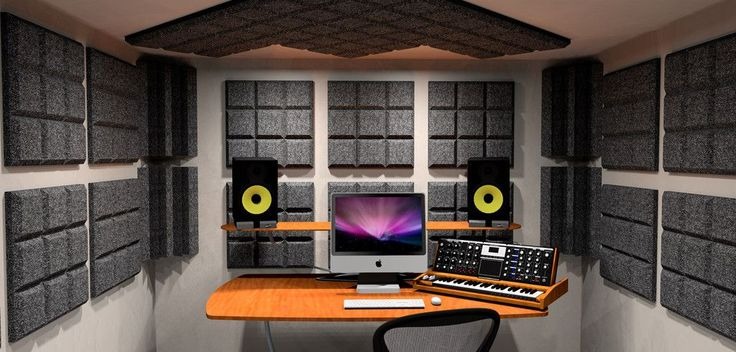
To get the best results, panels should be placed at “head height”—the level where most sound (speech) is generated and received. Placing panels on parallel walls is particularly effective at stopping “flutter echoes.”
The Overhead Advantage: Acoustic Ceiling Panels
While walls are important, the ceiling is often the largest unobstructed surface in a room. In many modern buildings, the ceiling is a flat, hard expanse that acts like a mirror for sound.
Installing acoustic ceiling panels or suspended baffles is a game-changer for large-scale environments like gyms, libraries, or cafeterias.
- Vertical Baffles: These hang from the ceiling and are perfect for industrial spaces with exposed services. They offer double the surface area for absorption since both sides are exposed to the air.
- Ceiling Rafts: These horizontal “clouds” float above specific zones, such as a boardroom table, to provide localized sound control without needing a full drop-ceiling.
- Hidden Performance: Many ceiling panels are now designed to mimic traditional plasterboard, providing a minimalist look with maximum noise reduction.
How to Choose the Right Materials
Not all sound-absorbing materials are created equal. Depending on your environment, you may need different densities or finishes.
- Fabric Wrapped Panels: Ideal for offices and studios. The porous fabric allows sound to pass through to the core material while offering a soft, sophisticated texture.
- Recycled PET: A sustainable choice made from plastic bottles. It is incredibly durable, making it perfect for high-traffic hallways or schools.
- Wood Slat Panelling: Provides a high-end, luxury feel. The gaps between the slats allow sound to reach an acoustic backing, combining the warmth of timber with the utility of sound control.
5 Steps to Fixing Your Office Noise Problem
If you are ready to quiet your workspace, follow this simple implementation guide:
- Conduct a “Clap Test”: Walk through your space and clap loudly. If you hear a ringing or “metallic” echo, you have a reverberation problem.
- Focus on the First Reflection Point: Identify where sound hits the wall first (usually directly opposite a speaker or a workstation) and place panels there.
- Prioritize Meeting Rooms: These are the most critical areas. If your video calls sound like they are being recorded in a cave, you need immediate ceiling or wall treatment.
- Consider Hybrid Solutions: Use a mix of wall-mounted panels for decor and ceiling baffles for heavy-duty absorption.
- Check Fire Ratings: Ensure any product you install in a commercial building meets the local fire safety standards (such as Class A or Class B ratings).
Conclusion
The goal of acoustic design isn’t to create a “dead” room where you can hear a pin drop. It’s about creating a balanced environment where sound is controlled and purposeful.
By investing in professional-grade panels, you are investing in the people who use the space every day. A quiet office is a focused office, and a focused office is a successful one.
Frequently Asked Questions
1. What is the difference between soundproofing and sound absorption?
Soundproofing (insulation) is meant to stop sound from traveling from one room to another. Sound absorption (panels) is meant to improve the sound quality within the same room by reducing echo and reverberation.
2. Can acoustic panels be cleaned?
Yes. Most fabric-wrapped and PET panels can be lightly vacuumed with a brush attachment. For fabric panels, many manufacturers offer bleach-cleanable fabrics for healthcare or high-use environments.
3. Do I have to cover the whole wall to see results?
No. Usually, covering 20% to 30% of the wall surface area is enough to drastically change the acoustic “feel” of a room. You don’t need a total blackout to get the benefits.
4. Are these panels difficult to install?
Most wall panels are installed using high-strength adhesive or simple “z-clips” (like hanging a heavy picture frame). Ceiling baffles typically require a simple wire suspension kit. Most small-to-medium offices can be treated in a single weekend.

About author


Leave a reply