
Why Mold Keeps Coming Back in Basements and What Homeowners Can Do About It
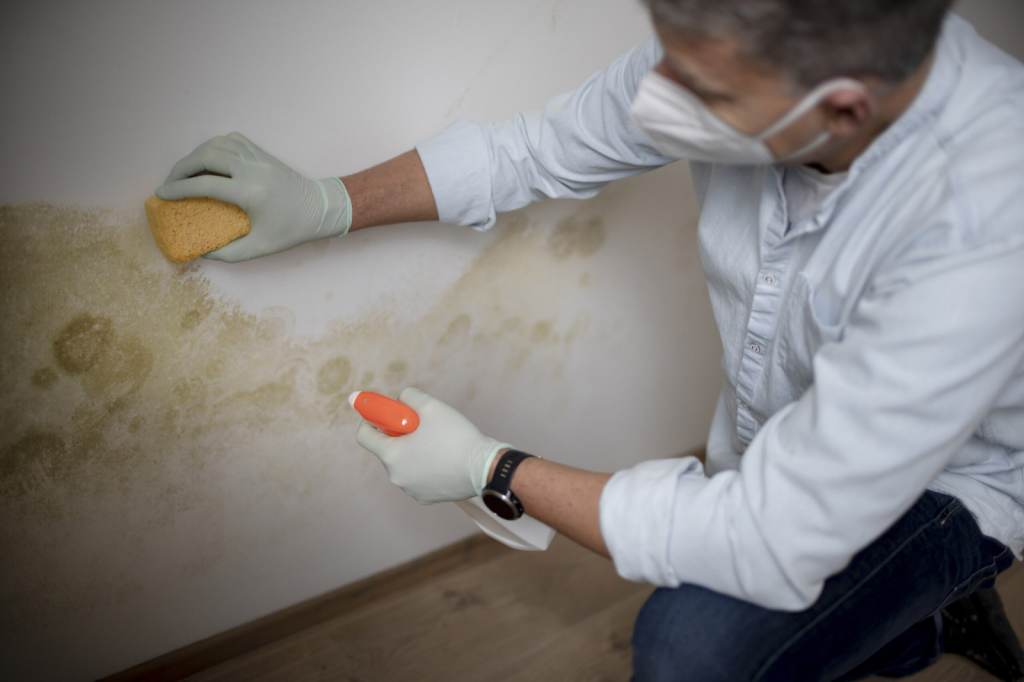
Basements are one of the most common areas where mold repeatedly returns, even after cleaning. The reason is not the mold itself but the conditions that allow it to grow. High humidity, damp concrete, seasonal moisture intrusion, groundwater pressure, and poor ventilation all create an ideal environment for microbial growth. When the underlying moisture issues remain unsolved, mold regrows within weeks. Bee Dry Restoration of Cleveland sees these recurring problems across Northeast Ohio, where wet soil conditions and high humidity make basements especially vulnerable.
The solution is not stronger cleaners or more frequent scrubbing. Long-term relief requires identifying the moisture source and correcting the conditions that encourage mold. This is why homeowners often need mold removal services that address both the visible contamination and the hidden moisture fueling the problem. With the right inspection, remediation, and moisture control plan, recurring basement mold can be stopped at the source.
Why Mold Keeps Returning in the Basement
Mold comes back because the environment still supports growth. Even when the surface stains disappear, the moisture behind walls, inside concrete, and within porous building materials keeps feeding mold spores. Northeast Ohio’s climate patterns amplify this problem due to heavy rainfall, snowmelt, and consistent humidity throughout the year.
Common causes of recurring basement mold:
- High humidity: Basements regularly exceed 60 percent humidity due to poor ventilation and soil moisture.
- Foundation seepage: Hydrostatic pressure forces moisture through cracks and unsealed walls.
- Condensation: Cold walls, pipes, and ducts attract moisture during temperature swings.
- Hidden moisture: Wood framing, drywall, and insulation hold moisture long after a leak or seepage event.
- Stagnant air: Limited airflow allows spores to settle and spread across surfaces.
- Improper past cleaning: Bleach, fogging machines, or paint-over attempts leave mold roots behind.
- Northeast Ohio climate: Heavy rains and humid summers create constant moisture challenges.
Why DIY Cleaning Never Stops Recurring Mold
Cleaning visible mold on walls or floors only addresses the surface layer. The underlying problem lives inside the materials and in the air. Homeowners often clean the same spots repeatedly because the moisture conditions still favor mold growth.
DIY methods fail because:
- Mold roots remain inside drywall, concrete, and wood
- Moisture problems remain unsolved
- Household cleaners cannot remove mold contamination
- Homeowners lack containment and HEPA filtration
- Consumer dehumidifiers cannot control basement humidity
- Mold continues growing behind walls and reappears on surfaces
This is why many homeowners feel like mold returns stronger after every cleaning attempt.
How Professional Mold Remediation Stops Mold From Returning
Long-term relief requires a comprehensive approach that corrects both the mold contamination and the moisture conditions. A certified mold removal company uses specialized tools, containment methods, and moisture diagnostics that homeowners do not have access to.
How mold removal services eliminate the problem:
- Moisture source detection: Thermal imaging, leak tracing, and moisture meters identify hidden dampness.
- Removal of contaminated building materials: Mold-damaged drywall, insulation, and carpets are safely removed.
- HEPA air filtration: Negative air pressure and air scrubbers remove airborne mold spores.
- Antimicrobial cleaning: Surfaces are cleaned and treated to prevent mold regrowth.
- Structural drying and dehumidification: Industrial equipment stabilizes humidity levels.
- Long-term recommendations: Waterproofing, drainage improvements, ventilation upgrades, and humidity control are suggested when needed.
This full remediation approach stops mold at the root and prevents it from returning.
How Homeowners in Northeast Ohio Can Prevent Mold From Coming Back
Once the basement is remediated and the moisture conditions are corrected, homeowners can maintain a dry, safe space by following simple moisture control practices.
Prevention steps that reduce basement mold risks:
- Keep humidity levels between 40 and 55 percent
- Use high-capacity dehumidifiers during warm months
- Repair leaks and foundation cracks immediately
- Improve air circulation with fans or ventilation upgrades
- Maintain sump pumps and drainage systems
- Use waterproof materials when finishing basements
- Store belongings in plastic bins instead of cardboard
These steps significantly reduce moisture, which is the fuel source for mold growth.
Closing
Recurring basement mold is a common issue for homeowners throughout Cleveland and Northeast Ohio. These problems persist not because the mold is difficult to remove but because the conditions that support mold growth are still present. Bee Dry Restoration of Cleveland provides mold removal services that identify moisture sources, remove contamination correctly, and restore healthy indoor conditions. By combining expert evaluation with targeted moisture control, homeowners can finally stop mold from returning and protect their basement long-term.

About author


Leave a reply