
The Benefits and Versatility of a Standing Desk for the Modern Workspace
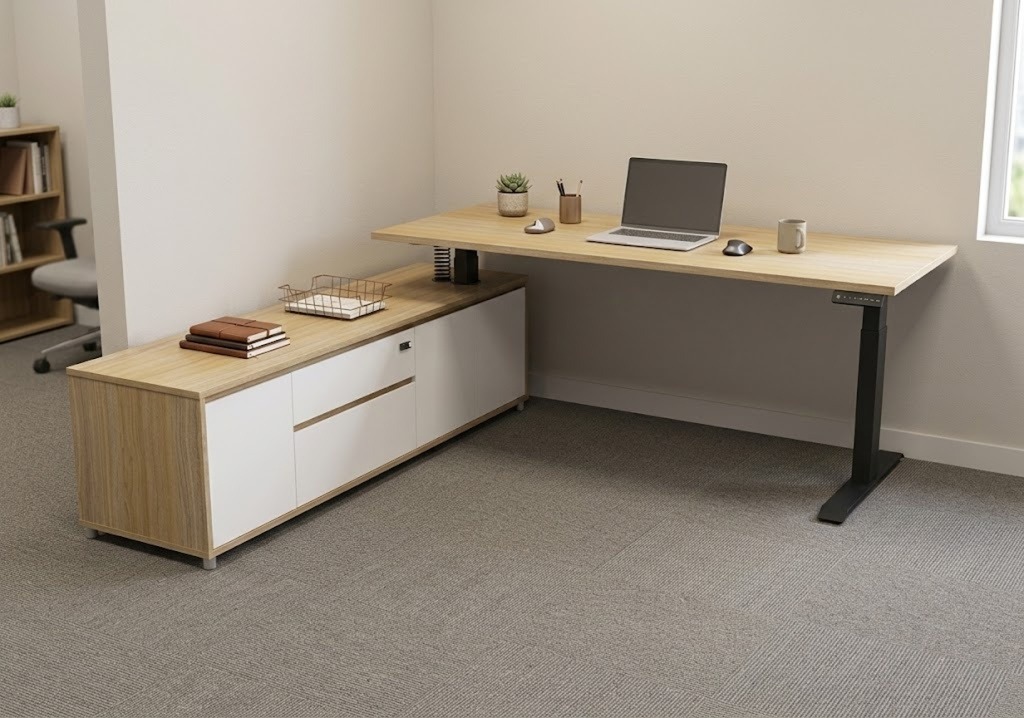
In recent times, workplaces have been evolving towards more ergonomic and health-conscious designs. An integral part of this transformation is the introduction of the standing desk. Standing desks, also known as sit-stand desks, offer the flexibility to switch between sitting and standing positions.
Proper posture is pivotal in preventing work-related health issues. Standing desks facilitate better posture and reduce the risk associated with sedentary behaviours. This is particularly important as more people spend prolonged periods at their desks.
The Impact on Health
Sitting for extended periods has been linked to several health concerns, including obesity, cardiovascular diseases, and musculoskeletal problems. A standing desk can mitigate these risks by encouraging more movement throughout the day. This active working style helps improve circulation and energy levels, potentially leading to increased productivity.
Studies have shown that intermittent standing can help to lower blood sugar levels, especially after meals. This reduction is particularly beneficial for those with insulin resistance or type 2 diabetes. Furthermore, standing rather than sitting can burn more calories, assisting with weight management goals when combined with other lifestyle changes.
Enhancing Employee Productivity
Productivity at work is not solely dependent on time spent working. Employee comfort and health significantly impact overall efficiency and output. By incorporating a standing desk into the workplace, employers can ensure their staff remain comfortable and engaged. This seamless transition between sitting and standing can help employees stay alert and focused on their tasks.
Moreover, psychological well-being is directly influenced by physical activity. Standing desks encourage movability, which can lead to lower stress levels and improved mood among employees. A positive workforce is a more productive workforce.
Flexible Design Options
The flexibility of adjustable standing desks allows users to tailor their workspaces according to personal preferences and needs. This adaptability is beneficial not just for comfort, but also for accommodating various tasks and work activities.
There are multiple designs and styles available, ranging from basic models to more sophisticated, technologically advanced desks. Some standing desks even integrate smart features, such as programmable height settings and memory presets, enabling quick and effortless transitions between positions.
Improving Work Environment Aesthetics
Aesthetics play a significant role in the design of a workspace. Standing desks can contribute to the modern and sleek appearance of an office, promoting a future-oriented and innovative image. This is particularly appealing in industries that value creativity and cutting-edge technology.
Elegant design and the availability of various finishes allow these desks to blend seamlessly with existing office furniture and design themes, ensuring cohesion and style.
Conclusion
Incorporating standing desks into a modern workspace not only enhances the health and well-being of employees but also boosts productivity and office aesthetics. As more companies embrace these versatile desks, the working environment continues to evolve toward a more dynamic and health-conscious future. Forward-thinking businesses that invest in ergonomic solutions like standing desks demonstrate a commitment to employee welfare and organisational efficiency.

About author


Leave a reply