
Regional Dialects in the UK What You Might Hear
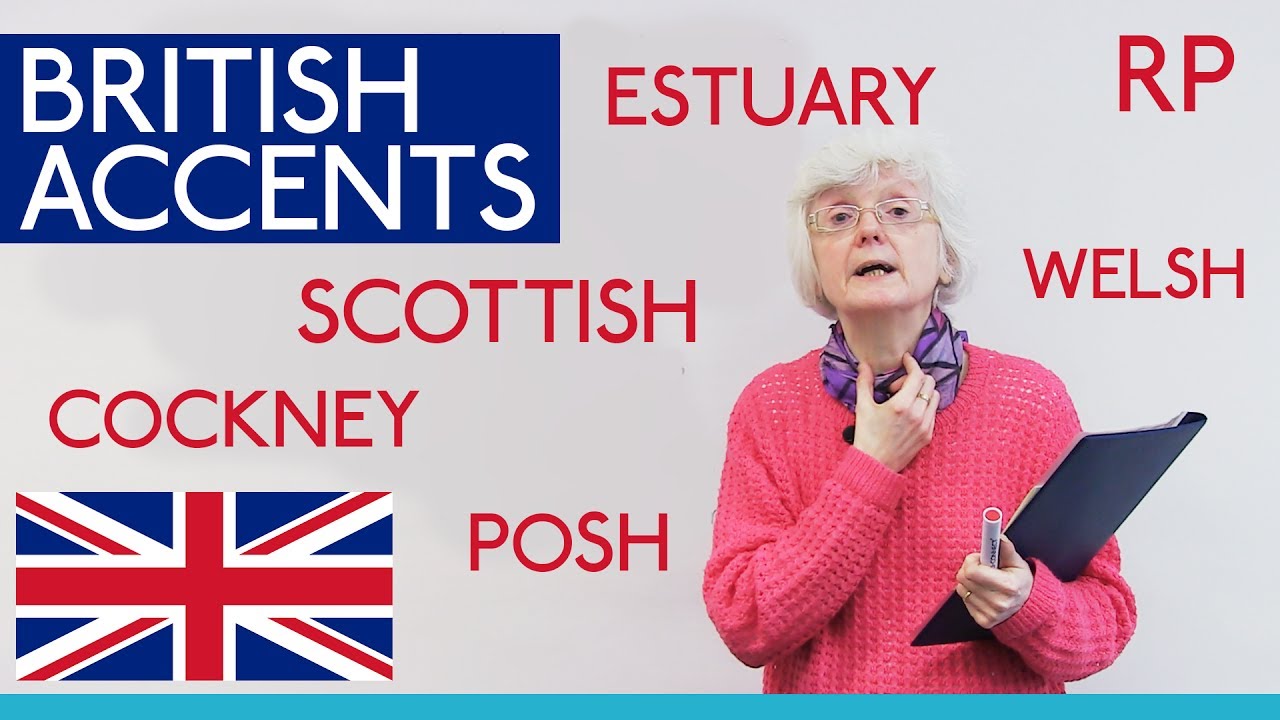
As you travel the world, it’s not a surprise to find different languages from country to country and across the globe. What is unique, though, are the regional dialects that you find within a much smaller geographical area. In the UK, for instance, you will find a wide range of different dialects with very unique characteristics and speech styles for each.
If you are going to be traveling or working in different areas of the UK, it’s helpful to develop a familiarity with the regional dialects before you embark on your journey. It is all part of what it takes to prepare yourself to be part of a new culture or country. When you are getting ready for your journey, you will also want to pre-arrange a van hire in london so that your transportation needs are taken care of well in advance of when you arrive.
Geordie
When you are in the Newcastle upon Tyne in North East England, you’ll be hearing the Geordie dialect. This dialect, which is one of the oldest still used today, is an accent that is strong and distinctive.
It differs a great deal from Standard English pronunciation, and also in how words are used or constructed. For example, instead of saying ‘don’t know’, Geordies say divn’t knaa; their word for their ‘children’ is bairns.
Scouse
Folks from Liverpool are known as Liverpudians or Scousers. They have strong dialect, Scouse, that is quickly recognised and has an emphasis on the letters Y and A in a word.
Scousers roll their Rs, which makes it a bit difficult to understand if they are saying R or L.
This distinctive accent is known throughout the world because of the popularity of the Beatles, who were from Liverpool.
Brummie
You will find this dialect spoken by many from Birmingham, England and the surrounding areas. The dialect’s name comes from Bromwichham or Brummagem, which are alternate historical names for the third largest city in England, Birmingham. There is almost a melody to Brummie.
The dialect is monotone in nature, and there are stretches where it hits the same note. When a Brummie stresses a word or phrase, it tends to be considerably lengthened. If you are looking for a speech sample, you might think of Ozzy Osbourne.
Scottish
If you travel to the northern third of the island of Great Britain, you’ll be in Scotland. English spoken in Scotland has a different rhythm and sound, and has been influenced by Norse languages from the Vikings and by the Gaelic language.
The Scottish dialect features the sound ‘oo’ instead of the more traditional ‘ow’, so ‘house’ comes out sounding like ‘hoose’. An ‘eh’ sound is replaced with ‘ee’, so ‘head’ becomes ‘heed’.
RP
RP, or Received Pronunciation, is often times referred to as the “Queen’s English” or “BBC English”. It has been traditionally associated with the upper and middle classes.
Initially, it was the pronunciation preferred by educated speakers in the southern part of England. It’s used in public schools, at leading universities like Cambridge and Oxford, and by broadcasters.

About author


Leave a reply