
How to Pick a Home Builder
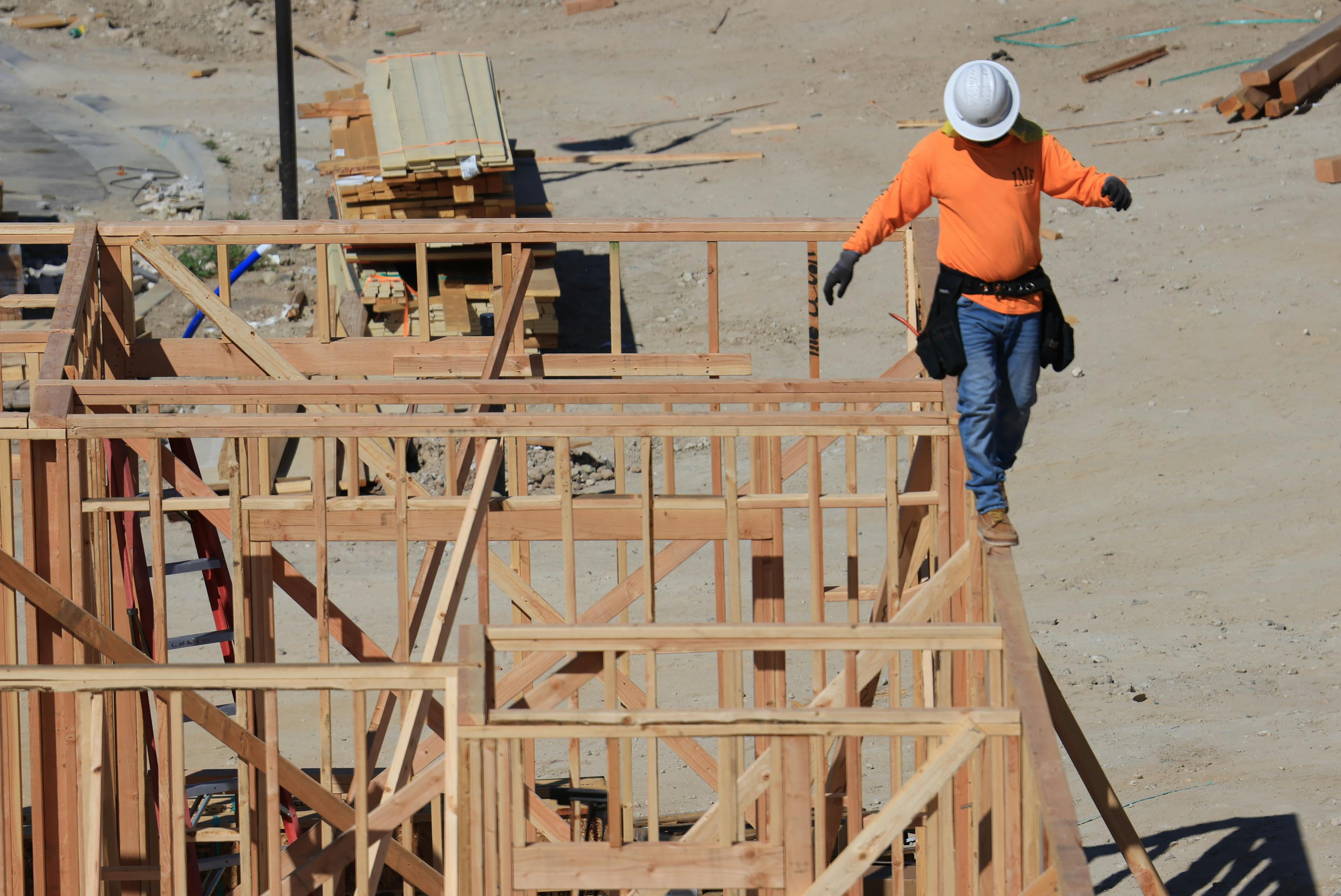
Selecting the right home builder is one of the largest financial decisions you will make in your lifetime. The builder you choose will directly impact the quality, durability, and overall value of your home. With so many options available, understanding what to look for can help you avoid costly mistakes and ensure your new home meets your expectations. This guide walks you through the key factors to consider when evaluating home builders.
Research the Builder’s Track Record
Before committing to any builder, invest time in researching their history and reputation within the construction industry. Look for builders who have been operating in your area for several years, as this demonstrates stability and local market knowledge. Check online reviews on platforms where homeowners share their experiences, and pay attention to patterns in feedback rather than individual comments. Verify that the builder holds proper licensing and insurance, which protects you if something goes wrong during construction.
Contact previous clients if possible and ask direct questions about their experience. Did the builder complete the project on time and within budget? Were there significant quality issues after moving in? Did the builder respond promptly to warranty claims? These conversations will give you candid insights that polished websites and sales presentations cannot provide. A reputable builder should be willing to connect you with satisfied customers and provide references without hesitation.
Evaluate Their Construction Quality Standards
Different builders operate under different quality standards, and understanding these differences is crucial to making a sound decision. Visit completed homes or active construction sites to observe the builder’s workmanship firsthand. Look at the finishing details, such as paint quality, flooring installation, and cabinet alignment, as these visible elements often reflect the builder’s overall attention to detail.
Ask the builder specific questions about their construction processes and materials. What warranty do they offer on the home, and does it cover structural issues or only cosmetic problems? What quality certifications or third-party inspections do they use? Some builders use energy-efficient building methods or sustainable materials, which can influence long-term maintenance costs and environmental impact. Understanding these details helps you assess whether the builder’s approach aligns with your priorities and expectations for the home.
Review Pricing and Contract Terms
Pricing should never be the only factor in your decision, but it matters considerably. Compare pricing from multiple builders for similar home designs and locations. Be cautious of quotes that seem significantly lower than competitors, as this can indicate lower quality standards or hidden costs that will surface later. Request a detailed breakdown of what is included in the quoted price so you can make accurate comparisons.
Before signing a contract, read it thoroughly or have an attorney review it on your behalf. The contract should clearly outline the scope of work, timeline, payment schedule, and what happens if there are delays or disputes. Pay close attention to clauses about change orders, as vague language here can lead to unexpected expenses during construction. Make sure the contract includes specific details about materials and finishes so the builder cannot substitute cheaper alternatives without your approval. A well-written contract protects both parties by setting clear expectations from the start.
Consider Communication and Customer Service
Throughout the building process, you will need to communicate with the builder regularly about decisions, questions, and concerns. Evaluate how responsive the builder is during your initial interactions, and note whether they answer questions promptly and thoroughly. Are they willing to explain their processes in detail, or do they seem dismissive of your inquiries? These early interactions often predict how smoothly the construction process will go.
Ask the builder about their process for handling change orders and addressing problems that arise during construction. Do they assign a single point of contact, such as a project manager, to coordinate with you? How do they document decisions and agreements? A builder with a clear communication structure and documented processes tends to have fewer misunderstandings and disputes with homeowners. Check whether the builder has a formal warranty service department and understand how quickly they respond to warranty claims after you move in.
Verify Credentials and Industry Affiliations
Builders who are members of professional organizations, such as the National Association of Home Builders or local building associations, have often committed to industry standards and ethical practices. These memberships suggest the builder takes their profession seriously and stays current with building codes and best practices. While membership alone does not guarantee quality, it is a positive indicator worth considering.
Verify that the builder holds all necessary licenses and permits required in your state and locality, which you can typically confirm through your state’s contractor licensing board or your local building department. Ask whether the builder has had any complaints filed against them and whether those complaints were resolved satisfactorily. Homeowners seeking personalized construction in the Midwest, for example, often work with a custom home builder in Indianapolis to benefit from local code expertise and attentive project management throughout the building process. Some builders carry clean records with no complaints, while others may have had minor issues that were addressed properly, and understanding this history provides meaningful context for your decision.
Conclusion
Choosing a home builder requires careful evaluation of multiple factors, including reputation, quality standards, pricing, communication practices, and credentials. Take the time to research thoroughly, compare options, and ask detailed questions before making your final decision. Visit their completed work, speak with previous clients, and review contracts carefully. The effort you invest in this selection process will pay dividends in the form of a well-built home, fewer construction problems, and greater satisfaction with your investment. Your home is likely the most significant purchase you will make, so selecting the right builder deserves your full attention and careful consideration.

About author


Leave a reply