
Advanced Repair Techniques for Heat Interface Units in High-Rise Buildings
Introduction
Repairing Heat Interface Units in high-rise residential buildings presents unique challenges. The complexity of large-scale district heating systems, combined with multiple interconnected HIUs, requires precise technical expertise and careful planning. Units such as Danfoss, Altecnic SATK32, and SAV Systems models integrate mechanical, electrical, and control components that must operate in harmony to provide consistent heating and hot water. Malfunctions in any part of the system can disrupt service for multiple apartments, creating inconvenience for residents and operational challenges for property managers. Efficient repair procedures are therefore critical for maintaining building performance and tenant satisfaction.
High-rise HIU repairs often involve working within constrained spaces and coordinating service across multiple units simultaneously. Access restrictions, networked control systems, and interconnected pipework add complexity compared to single-unit servicing. Engineers must diagnose faults accurately, minimise disruption, and implement repairs safely while adhering to manufacturer guidelines. Structured repair workflows allow property managers and engineers to respond promptly to issues, ensuring continuity of service and reducing the risk of extended downtime. Regular, professional maintenance complements reactive repairs and improves long-term system reliability.
The technical demands of HIU repair require specialised knowledge of both mechanical and electronic systems. Mechanical components such as pumps, valves, and heat exchangers must be inspected, cleaned, and replaced when necessary. Electrical systems, including circuit boards, wiring, and control modules, require careful testing and fault correction. Sensor calibration and software diagnostics ensure accurate system monitoring and control. Proper repair procedures protect the efficiency, longevity, and safety of the units, while maintaining compliance with UK building regulations and manufacturer standards.
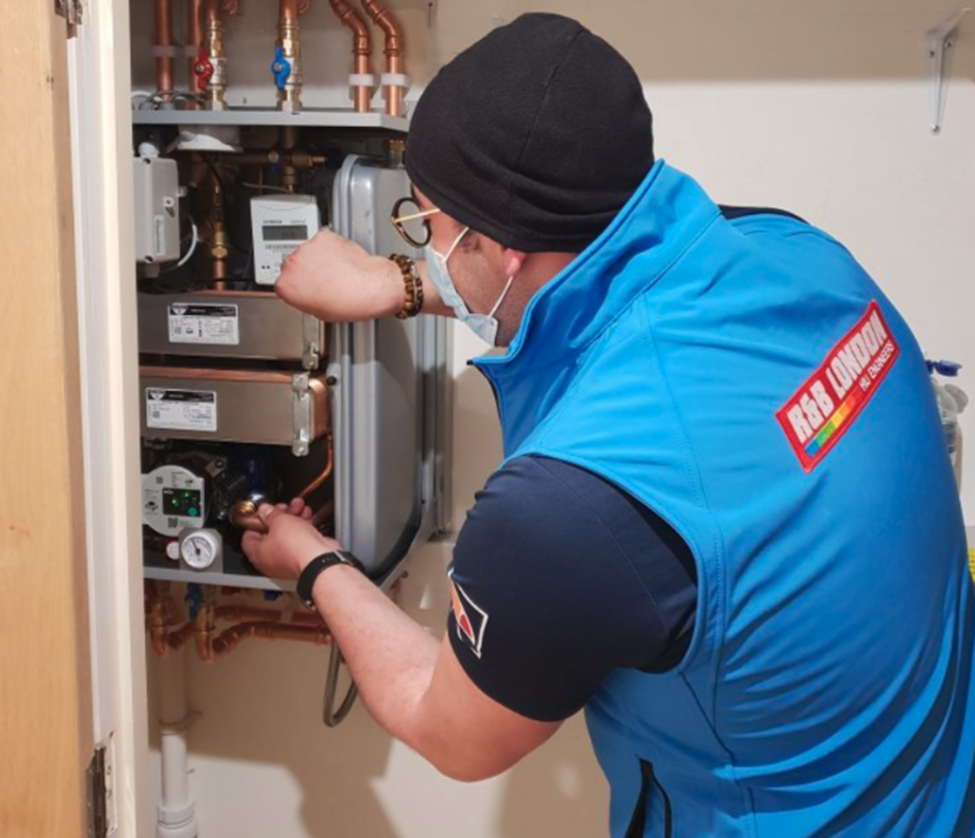
Companies like R&B London HIU Engineers Limited provide professional HIU repair services for high-rise buildings across London. Their engineers follow SAV Systems and manufacturer service protocols to deliver precise diagnostics, structured repairs, and clear service reports. By supporting property managers, landlords, and housing associations with reliable communication and technical expertise, these professionals ensure that district heating systems operate efficiently and safely. In high-rise contexts, professional HIU repair is not simply maintenance, it is an essential investment in building performance and resident comfort.
HIU Fault Classification
Classifying HIU faults is the first step in effective repair strategies. Malfunctions typically fall into three categories: mechanical, electrical, and control system issues. Mechanical faults involve pumps, valves, and heat exchangers, often causing flow restrictions, pressure drops, or leaks. Electrical faults include damaged wiring, blown fuses, or malfunctioning circuit boards. Control system faults relate to sensors, thermostats, and software settings, which can cause temperature inconsistencies or trigger error codes.
Mechanical faults are common in high-rise HIUs due to heavy usage and complex piping networks. Pumps may fail to maintain adequate flow, valves can seize, and heat exchangers may develop scaling or leaks. Regular inspection helps identify worn components early, allowing for timely replacement or recalibration. Addressing mechanical issues promptly reduces the risk of cascading system failures that could impact multiple apartments. Engineers follow manufacturer guidelines to ensure repairs maintain energy efficiency and operational reliability.
Electrical faults require careful testing and troubleshooting. Faulty wiring, power surges, or damaged circuit boards can disrupt control signals and prevent pumps or valves from operating correctly. Engineers use diagnostic tools to locate defects and ensure electrical safety during repair. Replacing or repairing electrical components according to manufacturer specifications restores reliable performance. Proper attention to electrical issues safeguards both residents and the building’s heating infrastructure.
Control system faults often present as sensor errors or incorrect system responses. Thermostats, temperature sensors, and software modules must be calibrated and verified. Engineers review error codes from units like Danfoss and Altecnic SATK32 to identify specific issues. Correcting these faults ensures consistent temperature regulation and prevents unnecessary energy consumption. By classifying faults accurately, property managers and engineers can prioritise repairs, optimise resource allocation, and minimise service disruption.
Diagnosing Flow and Pressure Failures
Flow and pressure failures are common challenges in high-rise HIUs. Reduced water flow or unstable pressure can result from blocked valves, worn pumps, airlocks, or pipework restrictions. Engineers begin diagnostics by measuring flow rates and pressure at multiple points in the system. Accurate assessment identifies whether issues are localised to a single unit or indicative of a broader network problem. Early detection allows for timely intervention, preventing extended heating or hot water interruptions.
Valves are frequently implicated in flow failures. Stuck or partially closed valves restrict water movement and reduce efficiency. Engineers inspect valve operation, lubricate moving components, and replace defective parts as needed. Proper valve function ensures balanced flow throughout the building, maintaining consistent temperature and comfort levels. Maintenance records track performance trends and support predictive repairs for future intervals.
Pumps also play a critical role in maintaining pressure. Engineers monitor pump speed, vibration, and operational noise to assess functionality. Worn impellers or seals can reduce efficiency, requiring repair or replacement. Ensuring pumps operate within manufacturer specifications restores proper circulation and prevents strain on other system components. Accurate pump diagnostics minimise energy consumption and reduce the likelihood of emergency failures.
Pipework can introduce additional flow and pressure challenges. Blockages, airlocks, or leaks disrupt the system and may affect multiple apartments. Engineers use inspection tools and flow testing to identify restrictions. Once located, appropriate corrective measures, such as flushing, air release, or component replacement, are implemented. Diagnosing and resolving flow and pressure failures is essential for maintaining reliable, high-performance HIUs in high-rise buildings.
Temperature Inconsistencies and Sensor Errors
Temperature inconsistencies in HIUs often indicate sensor errors, calibration issues, or component malfunctions. In high-rise buildings, even minor deviations can affect multiple apartments, causing discomfort and increasing energy consumption. Engineers diagnose these issues by checking sensor accuracy, reviewing error codes, and verifying system responses. Proper calibration ensures that thermostats, temperature sensors, and control modules operate harmoniously, maintaining consistent heating and hot water supply throughout the building. Accurate temperature management is critical for tenant satisfaction and energy efficiency.
Sensor faults are a common cause of temperature variation. Faulty sensors may give incorrect readings, causing pumps and valves to operate improperly. Engineers test sensors using diagnostic tools and compare readings against reference values. Malfunctioning sensors are either recalibrated or replaced following manufacturer specifications. Maintaining sensor accuracy prevents overheating, underheating, and unnecessary energy waste.
Calibration and software verification are also essential steps. Engineers verify control module settings and ensure that temperature setpoints align with actual performance. Units such as Danfoss and Altecnic SATK32 have model-specific procedures for sensor recalibration and software adjustments. Correcting discrepancies improves system reliability and prevents recurring errors. Well-maintained sensor logic supports efficient operation and consistent temperature regulation across all units.
Finally, documenting findings and corrective actions is critical. Engineers record sensor performance, recalibration procedures, and replacements in detailed service reports. Property managers can use these records to track trends and schedule proactive maintenance. Addressing temperature inconsistencies promptly protects the efficiency, safety, and lifespan of HIUs. Reliable sensor performance ensures that high-rise district heating systems function optimally, maintaining resident comfort and reducing operational costs.
Handling Heat Exchanger Malfunctions
Heat exchanger malfunctions can significantly impact HIU performance and energy efficiency. Common issues include scaling, leaks, and reduced thermal transfer efficiency. Engineers address these problems through systematic inspection, cleaning, and component repair or replacement. Maintaining heat exchanger integrity ensures effective heat transfer, consistent hot water delivery, and optimal energy usage. Proper handling of malfunctions also prevents long-term damage and extends unit lifespan.
Scaling is a primary concern in heat exchangers. Mineral deposits reduce heat transfer efficiency, forcing pumps to work harder and increasing energy consumption. Engineers employ chemical descaling agents following manufacturer guidelines to remove scale without damaging components. Mechanical cleaning methods, such as brushing or flow-assisted removal, may also be used for older or compact units. Regular descaling is essential to maintain performance and prevent recurring malfunctions.
Leaks can occur due to corrosion, faulty seals, or physical damage. Engineers inspect joints, welds, and connections to locate and repair leaks. Depending on severity, repairs may involve seal replacement, tightening fittings, or component substitution. Prompt leak resolution prevents water damage, pressure loss, and energy inefficiency. Accurate documentation of repairs supports future maintenance and compliance monitoring.
Thermal performance monitoring is another critical aspect. Engineers measure temperature differentials across the heat exchanger to ensure efficient energy transfer. Reduced performance may indicate internal fouling, flow issues, or wear. Corrective actions restore efficiency and optimise system operation. By addressing scaling, leaks, and performance issues, engineers ensure that HIUs in high-rise buildings continue to deliver reliable heating and hot water while minimising energy costs.
Electrical System Repairs
Electrical faults are a significant concern in high-rise HIUs, as they can disrupt both heating and hot water services across multiple apartments. Common issues include damaged wiring, circuit board failures, and malfunctioning control modules. Engineers begin repairs by isolating electrical systems to ensure safety. Using diagnostic tools, they identify defective components and verify correct voltage, current, and signal transmission. Following manufacturer procedures ensures repairs maintain operational reliability and comply with safety regulations.
Circuit board faults are frequently encountered in modern HIUs. Over time, heat, moisture, or power surges can damage components, leading to system errors or complete failure. Engineers test boards for continuity, check connections, and replace damaged modules when necessary. Ensuring that circuit boards are correctly installed and configured prevents recurring faults. Accurate repairs minimise downtime and maintain the building’s energy efficiency.
Wiring problems are another common source of electrical failures. Loose connections, corrosion, or damaged insulation can interrupt signals to pumps, valves, and sensors. Engineers systematically inspect wiring harnesses, repair or replace compromised cables, and confirm proper routing and termination. Correct wiring ensures stable communication between control modules and mechanical components. This process protects residents from service interruptions and safeguards engineers during repair operations.
Control module errors often require software verification in addition to hardware inspection. Engineers review error logs, reset modules, and adjust parameters according to manufacturer specifications. Units such as Danfoss and Altecnic SATK32 have model-specific diagnostics for detecting and correcting module faults. Maintaining accurate control signals ensures pumps and valves respond appropriately, stabilising temperature and pressure. Comprehensive electrical repairs are essential for restoring full HIU functionality and ensuring reliable service in high-rise buildings.
HIU Pump and Valve Replacement Procedures
Replacing pumps and valves is a critical component of HIU repair in high-rise buildings. Worn or malfunctioning components can lead to flow disruptions, uneven heating, and energy inefficiency. Engineers follow step-by-step procedures to ensure replacements are safe, accurate, and compatible with the existing system. Proper installation restores performance and prolongs the service life of the unit. Using manufacturer-approved parts maintains warranty compliance and operational reliability.
Pump replacement begins with system isolation and pressure release. Engineers remove the faulty pump while ensuring minimal water spillage. The replacement pump is checked for correct flow rate, head pressure, and compatibility with existing piping and valves. After installation, engineers restore system pressure and verify circulation using flow meters and pressure gauges. Testing ensures that the new pump operates efficiently and quietly, preventing stress on other system components.
Valve replacement requires careful handling and calibration. Engineers disconnect the faulty valve, taking care not to disturb adjacent piping or sensors. The new valve is installed, aligned, and sealed according to manufacturer instructions. Calibration is performed to maintain correct temperature and flow distribution across all circuits. Proper valve installation ensures balanced system performance, prevents overheating or underheating, and supports energy-efficient operation.
Documentation is essential after any pump or valve replacement. Engineers record the components replaced, installation details, and test results in service reports. Property managers can use these records to track maintenance history and schedule future inspections. Accurate documentation also supports compliance with safety standards and manufacturer requirements. By following structured replacement procedures, engineers ensure reliable, high-performance HIU operation in high-rise residential buildings.
Repairing Remote-Controlled and Smart HIUs
Modern high-rise buildings increasingly use remote-controlled and smart HIUs to optimize heating and hot water management. These units integrate networked control modules, sensors, and software systems that allow remote monitoring, fault detection, and operational adjustments. Repairing smart HIUs requires engineers to combine traditional mechanical and electrical skills with digital diagnostics. Accurate troubleshooting ensures both reliable operation and seamless integration with building management systems. Remote-controlled features also allow engineers to minimise on-site disruption when diagnosing minor issues.
Connectivity issues are common in smart HIUs. Units may lose communication with central control systems due to network failures, firmware bugs, or faulty modules. Engineers systematically test network connections, verify module communication, and perform software updates as required. Units such as Danfoss and Altecnic SATK32 have model-specific firmware and network configurations that must be maintained. Resolving connectivity problems ensures that data reporting, remote diagnostics, and automated control functions operate correctly.
Software updates and module recalibration are critical repair tasks. Engineers verify that all control modules are running the latest firmware and adjust parameters to restore optimal performance. Sensor calibration is also checked to ensure accurate readings across flow, pressure, and temperature systems. Correcting software or logic errors prevents repeated fault codes and ensures efficient system performance. Proper repair procedures for remote-controlled HIUs support consistent energy efficiency and resident comfort.
Documentation and verification are essential after smart HIU repairs. Engineers record software changes, network troubleshooting steps, and module replacements in detailed service reports. These records help property managers monitor trends, plan preventative maintenance, and maintain compliance with manufacturer guidelines. Repairing networked HIUs efficiently combines technical skill, precise diagnostics, and digital management, ensuring high-rise buildings maintain reliable heating and hot water services without unnecessary interruptions.
Ensuring Minimal Disruption During Repairs
Minimising tenant disruption is a primary concern during HIU repairs in high-rise buildings. Residents rely on consistent heating and hot water, so repairs must be carefully scheduled and executed to reduce inconvenience. Engineers coordinate with property managers to plan repairs during low-demand periods or times when temporary measures can maintain service. Clear communication, temporary hot water solutions, and structured workflows are essential to balancing efficient repair work with resident comfort. Professional planning ensures both safety and operational continuity.
Temporary bypass solutions are commonly used during repairs. Engineers install bypass loops or isolate individual units while keeping the overall system operational. This allows hot water and heating to continue for unaffected apartments. Bypass measures are designed to be safe, reliable, and compatible with the building’s HIU network. Using these methods ensures repairs can be performed without leaving residents without essential services.
Tenant communication is equally important. Residents are informed about scheduled maintenance, estimated repair times, and any temporary service limitations. Notices and updates help manage expectations and reduce complaints. Coordinating with property managers allows engineers to minimise conflicts with other building activities or peak usage periods. Transparent communication demonstrates professionalism and reinforces tenant confidence in building management.
Finally, structured repair workflows reduce downtime. Engineers follow step-by-step procedures for component isolation, testing, replacement, and reassembly. Detailed checklists and documentation ensure no step is overlooked, allowing repairs to be completed efficiently and safely. Planning also allows multiple units to be serviced sequentially with minimal disruption. By combining bypass strategies, tenant communication, and structured workflows, high-rise HIU repairs can be conducted without compromising comfort or service reliability.
Conclusion
Maintaining reliable Heat Interface Unit (HIU) operation in high-rise buildings requires a combination of technical expertise, structured workflows, and proactive planning. Repairs must address a wide range of potential faults, including mechanical issues with pumps, valves, and heat exchangers, electrical problems such as wiring or circuit board failures, and control system errors involving sensors, thermostats, and software modules. Accurate diagnosis and fault classification are critical to ensure that each repair is targeted, efficient, and minimizes disruption to residents. By systematically assessing flow, pressure, temperature, and networked system data, engineers can identify root causes quickly and implement precise solutions, preventing cascading failures and prolonged downtime.
High-rise HIU servicing also involves unique operational challenges, including constrained spaces, interconnected pipework, and networked control systems. Professional engineers must follow manufacturer guidelines, safety protocols, and regulatory compliance measures while working under these conditions. Structured repair procedures, temporary bypass solutions, and careful scheduling ensure that heating and hot water services remain uninterrupted for unaffected apartments, maintaining resident comfort. Clear communication with tenants and property managers further reduces inconvenience and builds trust, demonstrating the professionalism of service providers.
Advanced techniques, such as remote diagnostics, smart HIU software updates, and sensor recalibration, enable modern high-rise systems to operate efficiently while optimising energy consumption. Regular documentation of repairs, component replacements, and maintenance history provides property managers with actionable insights for planning future interventions. Ultimately, effective HIU repairs not only restore immediate system functionality but also extend the lifespan of components, improve energy efficiency, and support long-term operational reliability.
In summary, the repair of high-rise HIUs is not merely a reactive task; it is an essential investment in building performance and resident satisfaction. By combining mechanical, electrical, and digital expertise with strategic planning and communication, engineers ensure that high-rise heating systems remain safe, efficient, and consistently reliable. Professional, well-executed repairs are foundational to the comfort, energy efficiency, and operational success of multi-residential buildings.

About author


Leave a reply