
Native UK Plants That Slash Water Use Without Killing Kerb Appeal
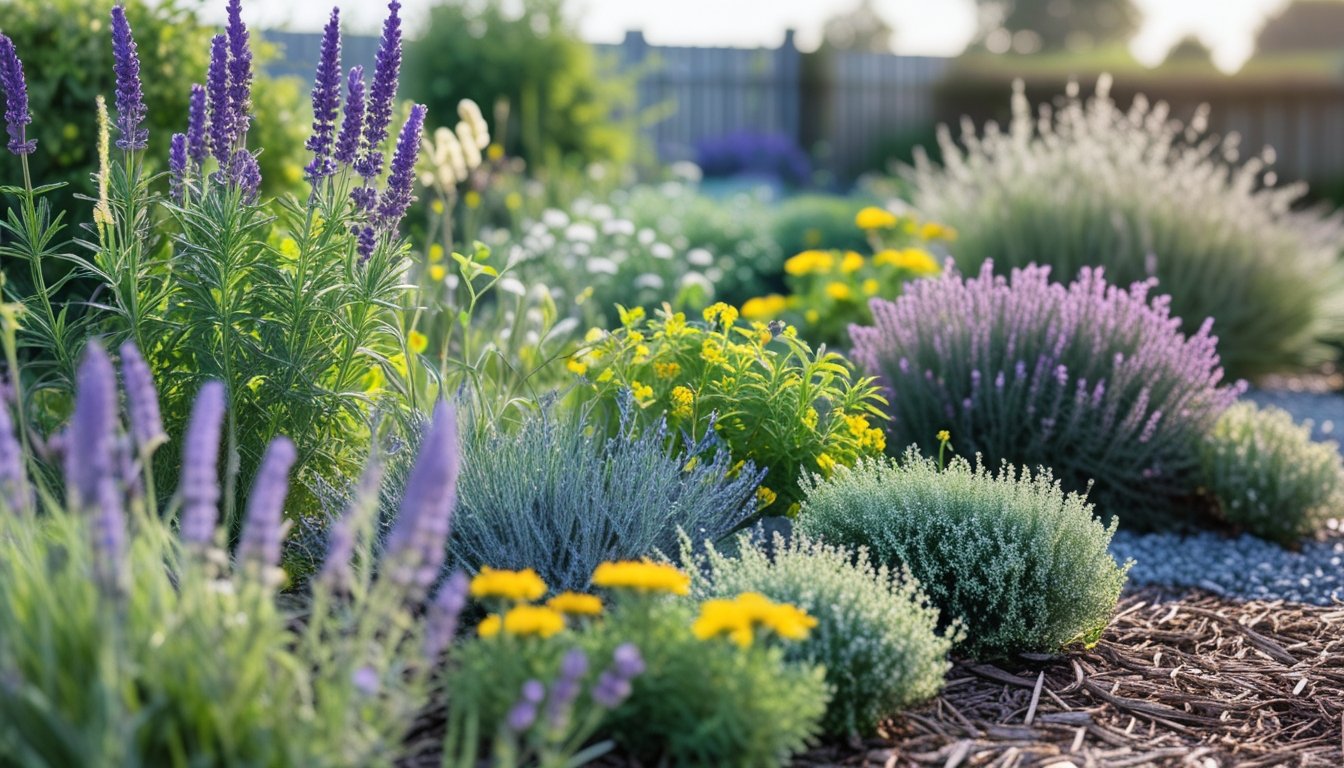
Water-wise gardening is no longer just a concern for hot, dry countries. In the UK, hosepipe bans have become increasingly common in recent summers, and gardeners are starting to rethink how much watering their outdoor spaces really need.
Choosing native plants is one of the most effective ways to reduce water use. Once established, they survive perfectly well on rainfall alone. This means less time spent watering, lower water bills, and a garden that remains resilient even during dry spells.
Better still, native plants bring a natural elegance that suits both traditional and modern homes.
Native Plants Make Water-Efficient Gardens Possible
Plants that originate in the UK have spent thousands of years adapting to local conditions. They tolerate periods of drought, heavy rain, and fluctuating temperatures far better than imported ornamental species that often require constant care.
Many native plants develop deep or extensive root systems that allow them to access moisture stored below the surface. Others have small, narrow, or slightly waxy leaves that reduce water loss. These natural adaptations help them remain healthy without frequent watering.
Because they are suited to local soils, native plants also require fewer fertilisers and less intervention overall. This makes them ideal for gardeners who want attractive outdoor spaces without constant maintenance.
Common Heather Adds Colour
Calluna vulgaris is one of the most recognisable native plants in the UK. Found across moorlands and heath, it thrives in poor soil and exposed conditions where many other plants struggle.
Its evergreen foliage provides structure throughout the year, while its purple, pink, or white flowers bring colour from late summer into autumn. Heather requires very little watering and performs especially well in sunny borders, slopes, and rock gardens.
It works beautifully in your home’s front garden, where it creates interest without demanding attention.
Wild Marjoram Brings Fragrance And Pollinators
Origanum vulgare is both ornamental and practical. Its soft clusters of pink-purple flowers appear in summer and attract bees, butterflies, and other pollinators.
This plant thrives in full sun and well-drained soil, and after a single season, it rarely needs additional watering. Its relaxed, slightly wild appearance works well in borders, gravel gardens, and informal planting schemes.
Wild marjoram also releases a gentle herbal scent, adding another sensory layer to your garden.
Bird’s Foot Trefoil Thrives In Dry Sunny Spots
Lotus corniculatus is a hardy wildflower known for its cheerful yellow blooms, often tipped with orange or red. It grows naturally in grasslands and coastal areas, where water can be limited.
This plant tolerates poor soil and dry conditions exceptionally well. It spreads gently across the ground, helping soften hard edges and filling gaps in sunny areas.
Bird’s foot trefoil is particularly useful in front gardens, gravel beds, and meadow-style planting, where it adds colour without increasing water demands.
Sea Thrift Creates Structure And Handles Dry Conditions
Armeria maritima is perfectly adapted to tough environments, including coastal cliffs and dry, exposed ground. Its compact shape and neat grassy foliage make it ideal for tidy garden borders.
In late spring and summer, it produces round pink or white flower clusters on slender stems. These blooms hover above the foliage and add visual interest without overwhelming nearby plants.
Sea thrift is especially effective in gravel gardens, edging pathways, or planting along driveways where watering is difficult.
Yarrow Provides Long-Lasting Flowers
Achillea millefolium is a reliable perennial known for its flat clusters of white or pale pink flowers and delicate, feathery leaves.
It tolerates drought extremely well once established and continues flowering through much of the summer. Its upright growth adds height and structure to planting schemes without looking heavy.
Yarrow works beautifully in mixed borders and wildflower gardens, where it adds texture and supports pollinators.
Red Campion Adds Colour In Partial Shade
Silene dioica is a familiar sight along woodland edges and country lanes. Its bright pink flowers bring colour to gardens from late spring through summer.
Unlike many flowering plants, red campion tolerates partial shade as well as dry conditions. This makes it especially useful in front gardens shaded by walls, fences, or neighbouring buildings.
It creates a soft, natural look that enhances kerb appeal without increasing maintenance.
Field Scabious Keeps Flowering During Dry Summers
Knautia arvensis produces delicate lavender-blue flowers on slender stems that move gently in the breeze.
It thrives in full sun and well-drained soil, and once established, it requires very little watering. Its long flowering season makes it valuable for maintaining colour when other plants fade.
Field scabious works particularly well in meadow-style gardens and informal planting designs.
Designing Beautiful Gardens Using Native Plants
Native plants are extremely versatile and can be used in both formal and informal layouts. In structured front gardens, plants such as heather and sea thrift create neat, defined shapes.
In more relaxed designs, wild marjoram, yarrow, and field scabious create movement and softness.
Combining plants with different heights, textures, and flowering times ensures the garden remains visually appealing throughout the year. This layered approach also makes the space feel fuller and more established.
Grouping drought-tolerant plants together ensures they all thrive under similar conditions, reducing the need for watering and simplifying maintenance.
Helping Your Plants Become Drought Resistant
Autumn and early spring are the best times to plant native species in the UK. Cooler temperatures and natural rainfall help roots establish before summer arrives.
Encouraging deep root growth early on allows plants to access moisture stored deeper in the soil. This makes them far more resilient during dry periods.
Avoid overwatering once plants are established. Light, frequent watering encourages shallow roots, which makes plants more vulnerable to drought.
Planting Native Gardens Means Less Maintenance And Water
Native plant gardens require surprisingly little care. Occasional pruning, seasonal tidying, and mulching are usually enough to keep them looking their best.
Because native plants are adapted to local conditions, they are less prone to stress, disease, and excessive water needs.
This creates a garden that remains healthy and attractive with far less effort. The result is a space that looks natural, balanced, and visually appealing throughout the year.
Over time, native planting also reduces many of the routine tasks that make gardening feel demanding. Lawns need less frequent watering, borders stay fuller with fewer gaps, and plants are better able to withstand heatwaves and hosepipe restrictions.
This makes native gardens particularly valuable in urban areas, where reflected heat from buildings and paving can dry out soil quickly. A well-planned native garden remains greener and more resilient, even during challenging weather.
For homeowners who want reliable results without trial and error, expert support can make a noticeable difference. Start looking for professional gardening in London. A reliable company is actually not hard to find.
These experts understand local soil conditions, exposure, and rainfall patterns, allowing them to recommend native plants that will thrive in specific locations.
Professional planting and planning ensure proper spacing, soil preparation, and long-term success.
Conclusion
Switching to native, drought-tolerant plants is a smart, sustainable way to future-proof your front garden against drier conditions while maintaining or even enhancing curb appeal.
In a changing climate, embracing these British natives isn’t just practical. It’s a stylish statement of resilience and care for the planet. Start today, and enjoy a beautiful garden all year round!

About author


Leave a reply