
Iconic Silhouettes in Interior Design: The Power of Sculptural Furniture
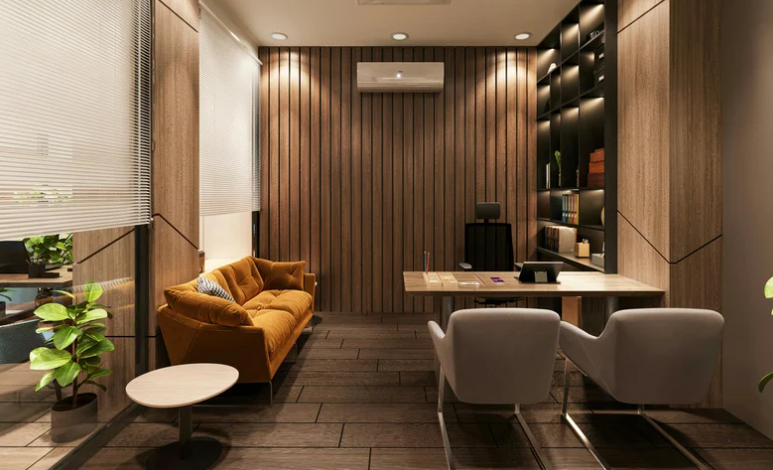
Furniture in modern interiors increasingly exists at the intersection of art and utility. Rather than being designed solely for function, contemporary pieces are now created as visual statements that also serve practical purposes. This fusion of form and function transforms everyday furniture into expressive elements that shape the identity of a space. Homes become curated environments where design and daily living coexist naturally, allowing furniture to define atmosphere rather than simply occupy square footage.
Functional art in furniture design focuses on sculptural form, proportion, and balance. Shapes are intentionally expressive, yet carefully engineered for comfort and usability. A chair may appear as a visual centerpiece, but it still supports the body properly. A sofa may resemble a sculptural installation, yet remains a space for rest, conversation, and connection. This balance between visual impact and physical comfort allows furniture to serve multiple roles within the interior, blending aesthetic presence with everyday practicality.
This approach changes how people interact with their spaces. Furniture is no longer invisible or purely utilitarian. It becomes something that is noticed, appreciated, and emotionally experienced. People form deeper connections with these pieces because they carry meaning beyond function. They shape daily routines, influence emotional well-being, and become part of personal narratives within the home. Furniture becomes part of memory-making rather than just space-filling.
Functional art also elevates the atmosphere of living spaces. Rooms gain character and depth through sculptural forms that add visual rhythm and personality. Furniture becomes part of the architectural language, contributing to how space feels and flows rather than competing with it. This creates interiors that feel expressive without becoming overwhelming.
In modern homes, furniture as functional art reflects a deeper appreciation for design, craftsmanship, and intention. It values creativity while respecting usability. Living spaces become environments where beauty and practicality support each other, creating homes that are both inspiring and livable. Through this integration, furniture transforms from a necessity into a meaningful presence within everyday life.
The Emotional Language of Curved Forms
Curved forms carry a powerful emotional presence in interior design. Soft geometry naturally communicates comfort, safety, and approachability. Unlike sharp angles and rigid lines, curves feel organic and human, creating spaces that feel emotionally welcoming. Furniture such as the Togo-style sofa from Homio Decor exemplifies how curved forms combine comfort and aesthetic appeal. This psychological response is rooted in how the human brain interprets shapes, associating softness with calm, protection, and emotional ease.
In sculptural furniture, curved silhouettes create a sense of flow and continuity. They guide the eye gently through a space, reducing visual tension and creating harmony. Rooms feel more balanced and less fragmented when curved forms are introduced. This visual softness supports emotional relaxation, making spaces feel more natural and less structured, which encourages deeper comfort and ease in daily living.
Curved furniture also influences how people move within a space. Flowing forms encourage organic movement patterns rather than rigid pathways. People navigate rooms more intuitively, experiencing a sense of openness rather than restriction. This creates environments that feel fluid and adaptive, where movement feels natural instead of forced. The spatial experience becomes softer and more welcoming, supporting both physical and emotional comfort.
Soft geometry also contributes to emotional expression within the home. Curves evoke warmth, intimacy, and openness. They create spaces that feel nurturing rather than formal. This emotional language supports a stronger sense of belonging, turning interiors into places of comfort rather than display. The home becomes a restorative environment rather than a purely aesthetic one.
Through sculptural design, curved forms become more than stylistic choices. They shape how spaces feel, function, and support well-being. In modern interiors, this emotional language transforms furniture into a tool for creating harmony, psychological balance, and emotional safety. The result is living environments that feel human-centered, calming, and deeply supportive of everyday life.
How Iconic Designs Influence Interior Culture
Iconic furniture designs have a lasting impact on how interiors are imagined and experienced. These pieces transcend passing trends to become reference points for aesthetics, comfort, and spatial organization. By introducing new forms, materials, and proportions, iconic designs redefine standards and inspire future creations. Over time, they shape collective taste, influencing both professional designers and everyday homeowners. Through their enduring appeal, these designs bridge past innovations with contemporary interior culture.
- Innovation Through Experimentation: Iconic furniture often emerges from bold design experimentation. Designers challenge traditional forms, materials, and proportions to create pieces that feel novel and unique. Once these designs gain recognition, they are gradually accepted, influencing both niche and mainstream aesthetics.
- Shaping Visual Language: These designs establish new visual languages that guide spatial composition. Silhouettes, lines, and textures from iconic pieces become references in architecture, decor, and mass-market furniture. They create a design vocabulary that informs how spaces are structured and experienced across generations.
- Influencing Contemporary Interiors: Interior culture evolves as designers and homeowners draw inspiration from iconic furniture. Adaptations of these pieces allow historical innovation to merge with modern lifestyles. This continuous dialogue balances respect for tradition with contemporary relevance, enriching the depth and character of interiors.
- Emotional and Cultural Impact: Iconic furniture also shapes emotional expectations within spaces. Recognizable forms foster familiarity, trust, and comfort, influencing choices in styling and purchasing. They create a sense of identity and connection, reinforcing how interiors are both personally and culturally experienced.
Iconic furniture designs are far more than decorative objects; they are cultural benchmarks. They inspire innovation while shaping visual and emotional norms in interior design. By bridging history with contemporary living, these pieces provide continuity and context. They foster both aesthetic appreciation and emotional resonance within spaces. Ultimately, iconic designs define the evolving relationship between creativity, culture, and the way people inhabit their homes.
Comfort Engineering in Floor-Level Seating
Floor-level seating reflects a thoughtful approach to ergonomic design and human comfort. Unlike traditional upright furniture, these forms support natural body postures that encourage relaxation rather than rigidity. Comfort engineering focuses on how the body rests, distributes weight, and releases tension, creating seating experiences that feel intuitive and restorative.
Ergonomic structure plays a central role in this design approach. Cushion depth, angle of recline, and spinal support are carefully calibrated to support natural alignment. The body is allowed to settle into a relaxed position without strain. This supports long-term comfort and reduces physical fatigue during extended use.
Floor-level seating also supports emotional comfort. The lowered position creates a sense of grounding and stability. People often feel more relaxed and secure in environments that feel physically close to the ground. This psychological response contributes to a sense of calm and safety within the space.
This type of seating encourages different forms of interaction. People naturally recline, stretch, and change posture more freely. Movement becomes fluid rather than constrained. This supports both physical well-being and emotional ease, allowing people to experience comfort without rigidity.
Comfort engineering in floor-level seating reflects a broader shift toward human-centered design. Interiors are no longer shaped around formality and structure but around how people truly relax and live. Through thoughtful ergonomic design, sculptural furniture creates environments that support rest, recovery, and emotional balance, transforming living spaces into restorative environments.
Visual Flow and Organic Interior Layouts
Visual flow is essential to creating interiors that feel calm, balanced, and naturally inviting. Organic layouts prioritize movement, connection, and spatial harmony rather than rigid structure. Sculptural furniture plays a central role in shaping this experience by guiding how the eye and body move through a space. Instead of dividing rooms into static zones, organic design creates continuity and rhythm that allows interiors to feel unified and emotionally coherent.
Curved forms and fluid silhouettes soften transitions between areas, allowing movement to feel intuitive rather than forced. Spaces feel open, breathable, and emotionally accessible. Visual flow encourages a sense of calm because nothing feels abrupt or visually jarring. The environment feels cohesive rather than segmented, allowing rooms to appear larger, lighter, and more connected. This sense of continuity creates interiors that feel immersive rather than compartmentalized.
Organic layouts also support functional living. Pathways are defined subtly through form rather than structure. Furniture placement encourages circulation without obstruction, allowing movement to happen naturally. This creates spaces that feel dynamic yet practical, where people can move freely without visual barriers or physical constraints. The layout supports both everyday routines and social interaction without imposing rigid spatial rules.
This approach supports emotional well-being as well. Flowing interiors reduce sensory overload and visual fatigue. The absence of sharp interruptions creates mental ease and psychological comfort. Spaces feel welcoming rather than demanding, supportive rather than overwhelming. Organic layout design transforms interiors into environments that feel intuitive, human-centered, and emotionally grounding. Through subtle spatial harmony, visual flow shapes daily experience, turning homes into calm, connected spaces that support both movement and rest.
Textural Contrast in Sculptural Furniture Design
Textural contrast adds depth, richness, and emotional warmth to sculptural furniture. While form defines the silhouette, texture defines how a piece is experienced visually and physically. The interaction between smooth, soft, structured, and tactile surfaces creates dimension that enhances visual interest without overwhelming the space. Texture gives sculptural furniture its emotional presence and sensory appeal.
Fabric choices play a significant role in shaping perception. Soft upholstery balances bold sculptural forms, creating approachability and comfort. Materials such as velvet, boucle, woven textiles, and natural fibers introduce warmth and softness. These textures soften the visual impact of strong shapes and make furniture feel inviting rather than intimidating. Sculptural design becomes emotionally accessible through tactile richness.
Contrast also enhances spatial depth. Pairing plush surfaces with structured forms creates visual layering that adds complexity without clutter. This layering effect prevents interiors from feeling flat or monotonous. The space gains character through subtle variation rather than excessive decoration. Texture becomes a quiet form of visual storytelling that adds richness without visual noise.
Textural design also influences emotional experience. Soft materials evoke comfort, relaxation, and safety. Tactile richness encourages interaction and engagement, making spaces feel lived-in rather than staged. People feel drawn to interiors that feel good to touch as well as look at. Sensory comfort becomes part of the design experience, strengthening emotional connection to the space.
Through thoughtful use of texture, sculptural furniture becomes both visually striking and emotionally welcoming. It creates interiors that feel balanced, layered, and deeply human. Texture transforms form into experience, allowing furniture to communicate warmth, comfort, and depth. The result is living spaces that feel rich without excess, expressive without heaviness, and visually powerful without losing emotional softness.
Creating Statement Spaces Without Visual Clutter
Statement interiors do not require excess decoration or visual density. In contemporary design, impact comes from clarity, proportion, and intentional placement rather than accumulation. Sculptural furniture allows spaces to feel expressive without becoming overwhelming. A single well-designed piece can define a room more effectively than multiple decorative elements competing for attention.
Minimal statement spaces rely on restraint. Each object must serve a purpose, either functional or visual. Sculptural furniture becomes the focal point, allowing surrounding elements to remain simple and supportive. This balance prevents visual competition and creates a calm, confident atmosphere. The room feels curated rather than crowded, expressive rather than chaotic.
Spatial breathing room is essential to this approach. Negative space becomes part of the design language rather than empty space to be filled. Clear surfaces, open sightlines, and uncluttered layouts allow sculptural forms to stand out naturally. The environment feels open and balanced, not sparse or empty. Every element gains presence because nothing is visually competing for dominance.
Statement design without clutter also supports everyday living. Spaces remain practical, functional, and easy to maintain. Visual calm improves focus, relaxation, and emotional comfort. Rooms feel intentional rather than performative, designed for living rather than display. This approach supports both aesthetic expression and daily usability.
By focusing on quality over quantity, sculptural furniture creates interiors that are expressive, refined, and emotionally grounding. The space communicates confidence without excess and character without noise. Statement design becomes about clarity, not complexity, allowing interiors to feel powerful, balanced, and deeply comfortable at the same time.
The Role of Soft Architecture in Interior Design
Soft architecture reimagines interiors as fluid and dynamic rather than rigidly structured. Instead of relying on walls and sharp lines, spaces are shaped through curves, gentle forms, and flowing transitions. Sculptural furniture becomes an integral part of this architectural approach, blurring the line between decor and structure. This design philosophy emphasizes natural movement, emotional connection, and adaptability. Interiors shaped by soft architecture feel human-centered, welcoming, and responsive to daily life.
- Creating Fluid Spatial Experiences: Soft architecture prioritizes flow over rigid separation. Zones are defined by texture, form, and furniture placement rather than partitions. This allows movement through a space to feel intuitive and natural, connecting rooms visually and emotionally.
- Emotional Comfort and Psychological Safety: Rounded forms and gentle curves reduce visual tension and sensory stress. Spaces shaped by soft architecture feel psychologically safe and welcoming. This approach transforms interiors into restorative environments rather than purely functional ones.
- Sculptural Furniture as Structural Element: Furniture becomes part of the spatial architecture rather than just decoration. Sculptural pieces guide movement, define areas, and create visual continuity. Their integration enhances both aesthetics and functionality within the soft architectural framework.
- Flexibility and Modern Living: Soft architecture allows interiors to adapt to changing routines, family needs, and lifestyle shifts. Spaces can evolve without structural alterations, supporting long-term usability. This approach aligns with contemporary demands for comfort, adaptability, and fluidity in the home.
Soft architecture transforms how interiors are designed and experienced. By prioritizing flow, curves, and gentle transitions, it creates spaces that are visually harmonious and emotionally supportive. Sculptural furniture reinforces spatial organization while maintaining aesthetic appeal. Interiors become adaptive, nurturing, and human-centered, reflecting the needs of modern life. Ultimately, this design philosophy makes homes more than functional spaces—they become environments that respond to and support the people living within them.
Blending Sculptural Furniture with Modern Decor
Blending sculptural furniture with modern decor requires a careful balance of intention, proportion, and restraint. Contemporary interiors often rely on clean lines, neutral palettes, and open layouts, which create an ideal foundation for expressive forms. Sculptural pieces introduce character and depth without disrupting the calm structure of modern design. When integrated thoughtfully, they enhance the space rather than dominate it, adding visual interest while preserving harmony.
Scale plays a defining role in successful blending. A sculptural sofa, chair, or lounge form must relate naturally to the room’s dimensions and layout. Oversized forms in small spaces can feel heavy and overwhelming, while undersized pieces in large rooms may lose their presence and impact. Proportion creates visual balance, allowing the sculptural element to feel integrated rather than imposed. When scale is correct, the piece becomes part of the space’s rhythm rather than a visual interruption.
Material consistency strengthens cohesion within the interior. Pairing expressive furniture forms with complementary finishes such as natural wood, stone, glass, or muted metals creates visual unity. The contrast between structured modern surfaces and soft sculptural shapes adds depth without visual conflict. This layering of textures and materials keeps interiors rich and dimensional while maintaining clarity and simplicity. The space feels curated rather than complex.
Styling restraint is equally important. Sculptural furniture works best when surrounded by simplicity. Neutral color palettes, minimal accessories, and open surfaces allow the form to speak for itself without distraction. Lighting further enhances this effect by highlighting curves and contours through soft shadows and gentle illumination. The furniture becomes a focal point without overpowering the environment.
The result is a space where modern decor provides structure and sculptural furniture adds soul. Clean design principles create calm, while expressive forms introduce warmth and personality. This balance creates interiors that feel refined, expressive, and effortlessly cohesive, where structure and creativity exist in harmony rather than competition.
Longevity of Iconic Furniture Designs
Iconic furniture designs endure because they transcend trends. Their value lies not in fashion cycles, but in form, function, and emotional connection. Sculptural pieces rooted in thoughtful design principles remain relevant across decades because they respond to human needs rather than market movements. Their silhouettes become timeless references rather than temporary statements, forming a lasting visual language within interior culture.
Durability is central to longevity. Quality materials, strong internal structures, and skilled craftsmanship ensure that these pieces age gracefully. Over time, wear becomes character rather than damage. Patina, texture changes, and natural aging add depth and authenticity rather than diminishing value. Iconic furniture develops emotional history alongside physical presence, transforming from a product into a personal legacy.
Cultural relevance also plays a defining role. Designs that influence broader interior movements become part of design language itself. They shape how people understand space, comfort, and beauty. Their presence in homes, hospitality spaces, and public environments reinforces their status as lasting design references rather than decorative objects. These pieces influence generations of designers and homeowners, embedding themselves into the collective design consciousness.
Long-term value extends beyond aesthetics. Iconic sculptural furniture supports evolving lifestyles. It adapts to different spaces, layouts, and design styles without losing relevance. Its flexibility allows it to move through life stages, homes, and changing interiors while maintaining its identity. This adaptability ensures continued use rather than replacement.
In this sense, longevity becomes both sustainable and practical. Investing in timeless design supports responsible consumption while creating interiors that mature with their owners. Iconic furniture endures not because it is preserved in perfection, but because it continues to belong. Its relevance grows through lived experience, making it part of life itself rather than just design.
Final Conclusion
Sculptural furniture represents a deeper shift in how interiors are experienced and understood. It transforms everyday spaces into environments that feel expressive, emotional, and human-centered. Furniture becomes more than function, shaping identity, atmosphere, and connection. Homes evolve into personal landscapes rather than static rooms, reflecting individuality, values, and emotional presence.
This approach values form, comfort, and meaning equally. Sculptural design creates visual presence without sacrificing usability. It supports modern lifestyles that prioritize flexibility, emotional well-being, and personal expression. Spaces become adaptable rather than rigid, calming rather than overstimulating, and deeply personal rather than generic. Furniture becomes part of how people experience daily life, not just how they furnish it.
The long-term appeal of sculptural furniture lies in its timelessness. Iconic forms remain relevant because they respond to fundamental human needs for comfort, beauty, and belonging. Their value grows with time rather than fading with trends. They become part of personal histories and shared memories, not just visual statements. These pieces evolve with the people who live with them, strengthening emotional connection over time.
Sculptural furniture also reflects a more thoughtful approach to living. It encourages intentional choices, meaningful spaces, and sustainable consumption. Homes become curated rather than crowded. Design becomes purposeful rather than performative. Every piece holds value, presence, and reason for being.
As interior culture continues to evolve, sculptural furniture stands as a lasting investment in both design and lifestyle. It shapes how people live, move, and feel within their spaces. In doing so, it proves that true design impact is not about excess, but about meaning, quality, emotional depth, and timeless presence.

About author


Leave a reply