
Finding a Reliable Contractor for Your Homes Exterior
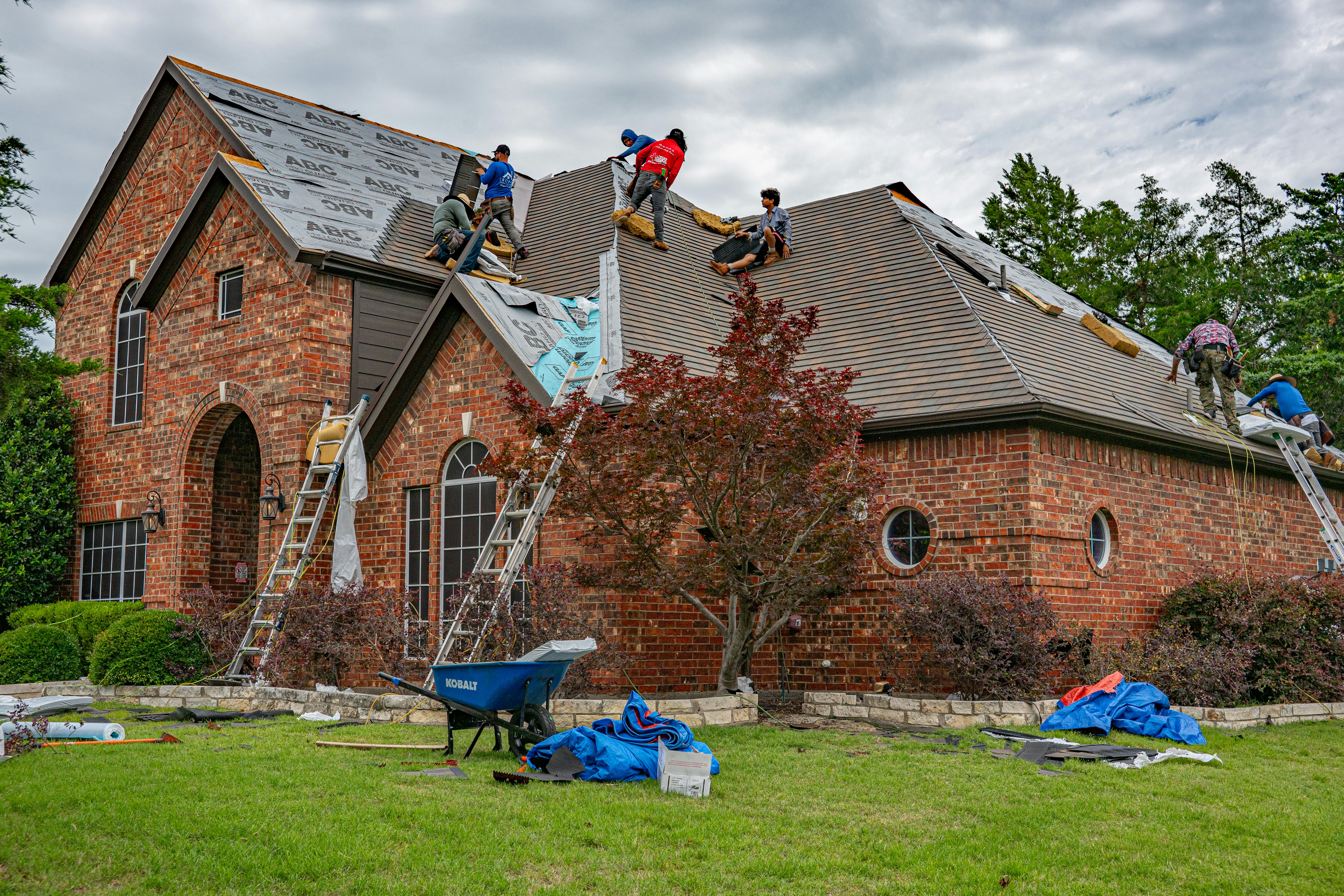
How much of your home’s value depends on its first impression? Your home’s exterior takes on significant wear from weather, time, and daily exposure. Whether you need roof repairs, siding replacement, window installation, or deck work, choosing the right contractor can mean the difference between a job well done and costly mistakes that haunt you for years. The exterior of your home is one of the most visible and functionally critical areas, yet many homeowners rush through the contractor selection process without proper vetting.
Understanding What Makes a Contractor Reliable
A reliable contractor is more than someone with low prices or a friendly demeanor. Reliable contractors bring technical expertise, proper licensing, insurance coverage, and a track record of completed projects that meet or exceed customer expectations. They communicate clearly about timelines and costs before work begins, stick to their estimates, and address problems promptly if they arise during the project. When you hire a contractor for exterior work, you are trusting them with a significant investment in your home’s protection and curb appeal. Understanding the qualities that distinguish dependable professionals from inexperienced or dishonest operators is your first line of defense against poor workmanship and financial loss.
Image via Pexels
Verifying Licenses and Insurance Coverage
Before you meet with any contractor, verify their licensing status through your state or local licensing board. Legitimate contractors carry proper licensing in their trade, whether that is roofing, general contracting, carpentry, or electrical work. Ask to see both their current license and proof of general liability insurance, as well as workers’ compensation insurance if they have employees. A licensed contractor has met educational requirements, passed examinations, and agreed to follow industry standards and local building codes. Insurance protects you from liability if a worker is injured on your property or if property damage occurs during the project. Contractors unwilling to share these documents or those who claim they do not need licensing are red flags that suggest they may cut corners elsewhere in their work.
Checking References and Past Projects
A reliable contractor will provide at least three to five recent references from homeowners with similar projects completed within the last two to three years. Contact these references and ask specific questions about their experience, such as whether the work was completed on time and within budget, how the contractor handled unexpected issues, and whether they would hire the contractor again. You can also request to visit completed projects to assess the quality of work firsthand. Many experienced contractors maintain an online portfolio or gallery of their work, which offers visual proof of their capabilities. Speaking with past customers gives you genuine insight into what it is actually like to work with the contractor and reveals patterns in their professionalism and problem-solving approach.
Getting Multiple Estimates and Comparing Proposals
Never accept the first estimate you receive. Contact at least three different contractors and request detailed written estimates that break down labor costs, material costs, and any equipment rental fees. These estimates should specify the scope of work, timeline, warranty information, and payment terms. Beware of estimates that are significantly lower than others, as this often indicates the contractor plans to use cheaper materials, employ less experienced workers, or skip necessary steps. When evaluating siding replacement or roofing projects, homeowners who rely on a qualified exterior contractor gain access to detailed, itemized proposals that reflect accurate material grades and realistic labor timelines. Comparing multiple proposals helps you understand fair pricing in your market while ensuring you are not overpaying or selecting someone cutting too many corners.
Building a Clear Contract Before Work Begins
A written contract is essential protection for both you and the contractor. The contract should clearly state the scope of work, project timeline with specific start and completion dates, total project cost and payment schedule, materials to be used with specific brands or grades when applicable, and the contractor’s warranty or guarantee on their work. Include details about how change orders will be handled if additional work becomes necessary during the project. The contract should also specify how debris will be removed, where the contractor will park equipment, and what times work can occur on your property. A comprehensive contract prevents misunderstandings and gives you recourse if the contractor fails to deliver what was agreed upon. Never begin work based on a handshake agreement or a vague estimate, regardless of how trustworthy the contractor seems.
Evaluating Communication and Professionalism
Pay attention to how the contractor communicates with you during the initial consultation and estimate phase. Do they return your calls and emails promptly? Do they explain their recommendations in terms you understand without being condescending? A contractor who communicates clearly and respectfully during the sales process is more likely to maintain that professionalism throughout the project. Professional contractors show up on time for appointments, dress appropriately, and present themselves as knowledgeable in their field. They ask thoughtful questions about your goals and concerns rather than simply pushing you toward the most expensive options. During the project, ongoing communication about progress, any issues that arise, and next steps prevents surprises and ensures you feel informed throughout the process.
Conclusion
Finding a reliable contractor for your home’s exterior requires patience and due diligence, but the effort protects one of your largest investments. Start by verifying licenses and insurance, then contact references and review past projects in detail. Obtain multiple written estimates and compare them carefully, always preferring detailed proposals over suspiciously low bids. A comprehensive contract signed before work begins sets clear expectations and provides protection if problems occur. Throughout your evaluation process, pay close attention to how the contractor communicates and presents themselves, as professionalism during the sales phase typically continues through project completion. By following these steps and avoiding shortcuts in your selection process, you significantly increase the likelihood of hiring a contractor who delivers quality work on time and within budget.

About author


Leave a reply