
Can Your Fatty Liver Disease Cause Sudden Death?
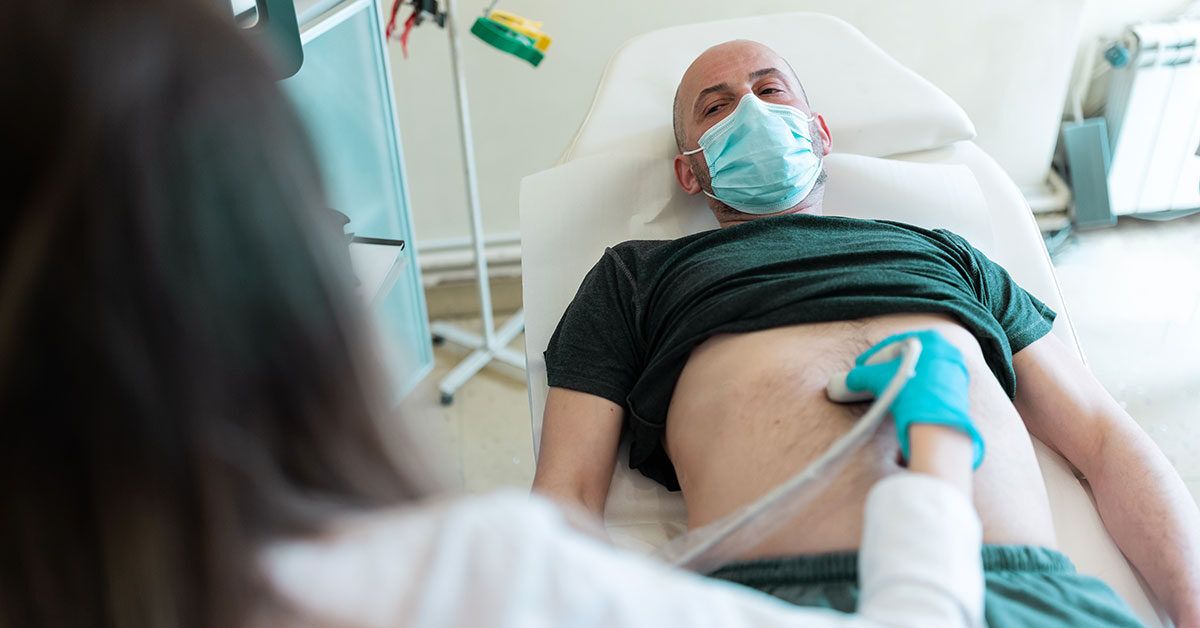
It is quite a scary thought to imagine that a condition many people dismiss as a common lifestyle quirk could actually lead to a sudden, fatal event. You might have heard someone mention they have a little bit of fat on their liver during a routine checkup and thought nothing of it. However, the connection between your liver health and your heart is much tighter than you might realize.
Although the liver itself does not usually just stop working in a second, the strain it puts on your cardiovascular system can indeed trigger sudden death.
Don’t fret!
This is not meant to frighten you without reason, but rather to help you understand the genuine stakes involved in managing this vital organ.
What Is Fatty Liver Disease And Its Causes
Put simply, this condition happens when your body starts storing extra fat inside liver cells. A healthy liver should contain very little to no fat, but when the metabolism gets overwhelmed, those cells begin to swell. This buildup usually stems from factors like a poor diet, a lack of physical movement, or even genetic predispositions.
To get a better sense of how your liver is coping, doctors will frequently look at blood tests; for instance, using an ast/alt ratio calculator will help professionals determine if the inflammation is becoming a serious problem. Other than food choices, things like insulin resistance and high blood sugar will play a massive role in why the fat accumulates there in the first place.
Nonalcoholic Fatty Liver Disease
This specific type occurs in individuals who drink little to no alcohol. It is becoming incredibly common lately due to the rise in processed food consumption.
In this scenario, the fat builds up and can stay dormant, or it will progress into a more aggressive form where the liver becomes inflamed and damaged.
Alcoholic Fatty Liver Disease
As the name suggests, this version is a direct result of heavy alcohol use. Your liver breaks down most of the alcohol you drink, but the process generates harmful substances.
These toxins will damage liver cells and promote inflammation, which weakens your body’s natural defenses. If you continue to drink heavily, the fat accumulation will become the baseline for much worse scarring.
Signs & Symptoms
One of the most frustrating things about this disease is that it is often a silent observer. You might feel perfectly fine for years. However, some people will notice specific clues:
- A dull ache or heavy feeling in the upper right side of the belly.
- Persistent tiredness that will not go away with rest.
- Unexplained weight loss or a loss of appetite.
- Nausea or a general feeling of being unwell.
The Danger of Sudden Death
So, how does this actually lead to a sudden fatality?
The reality is that a fatty liver acts as a factory for systemic inflammation. This inflammation travels through your bloodstream and irritates the lining of your arteries.
Left unchecked, this will increase the risk of a plaque rupture in your heart, leading to a sudden heart attack. Furthermore, liver damage will cause changes in how your heart beats, potentially leading to lethal arrhythmias.
End Stage of Fatty Liver
When the damage becomes permanent, we call it cirrhosis. At this point, the liver is so scarred that it will no longer perform its hundreds of essential tasks. Your skin will likely turn yellow, and your abdomen will probably swell with fluid.
This stage is extremely dangerous because the liver will no longer filter toxins, which eventually affects your brain and your heart’s ability to function.
Effective Treatment Options
The good news is that the liver is remarkably resilient if you catch the issues early. There is no magic pill to “cleanse” the fat away, but lifestyle shifts will do the heavy lifting.
Doctors will usually recommend a combination of better nutrition and consistent movement. If you can reduce the fat in your liver by even a small percentage, the inflammation will start to drop significantly.
Healing Through Nutrition
What you put on your plate will be your primary tool for recovery. You will want to focus on whole foods that do not spike your insulin levels. Since your liver handles everything you ingest, choosing the right fuel will reduce the workload on its cells. Consequently, a clean diet will encourage your body to burn off the stored deposits rather than adding to them.
Lean proteins
You will find that incorporating chicken, turkey, or tofu into your meals provides the necessary building blocks for tissue repair. These options lack the heavy saturated fats that will otherwise clog your system.
Leafy greens
Vegetables like spinach and kale will offer high levels of chlorophyll. This natural compound will help your liver filter out toxins from the blood more efficiently.
Healthy fats
Substituting butter with olive oil or avocado will introduce monounsaturated fats. These choices will actually help reduce inflammation across your entire body.
Whole grains
Switching to brown rice or quinoa will ensure your blood sugar remains stable. You will notice that these slow-digesting carbs prevent the massive insulin spikes that trigger fat storage.
Low sugar
If you cut out high-fructose corn syrup, your liver will finally get a break. Excess sugar will quickly transform into fat, so avoiding sweets will halt that cycle immediately.
More fiber
Foods like beans and lentils will bind to bile acids in your gut. This process will force your liver to use up its own cholesterol stores to make more bile.
Hydration
Drinking plenty of water will keep your blood thin and easy to pump. Proper hydration will ensure that waste products move out of your liver and through your kidneys without delay.
Limited salt
Reducing your sodium intake will prevent your body from holding onto excess fluid. Less water retention will mean your liver and heart will face much less pressure.
Small portions
Eating smaller meals more frequently will prevent your metabolism from feeling overwhelmed. This habit will ensure that your body uses the energy you provide rather than tucking it away in liver cells.
Energy balance
Regarding this last point, your body requires a specific amount of fuel to function every day. Understanding your total daily energy expenditure will help you ensure you are not overconsuming calories that your liver will just turn back into fat.
When you eat less than this number, your body will start to pull from the fat stores in your liver for energy. This steady caloric deficit will be the most effective way to reverse the damage over time.
Wrapping Up
Living with fatty liver disease does not have to be a death sentence, but it is certainly a wake-up call. The link between your liver and sudden cardiac events is a reminder that our organs do not work in isolation.
By taking small, manageable steps today to improve your metabolic health, you will protect your heart just as much as your liver.
Start by making one better food choice or taking a short walk after dinner. Those tiny shifts will add up to a much longer, healthier life.

About author


Leave a reply