
Tree Limbs Removal Techniques That All Homeowners Should Be Familiar With
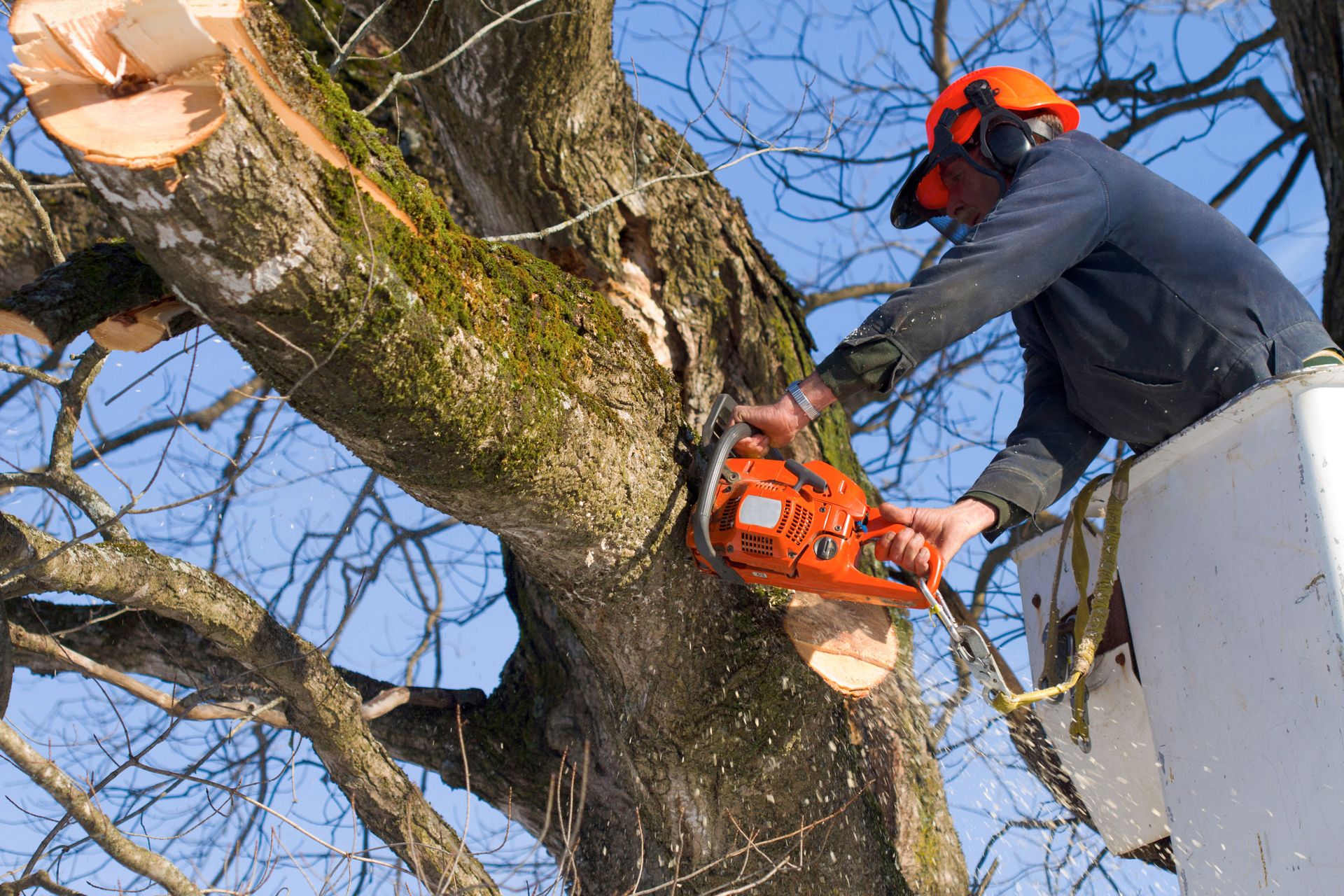
The removal of tree limbs ought always to be considered beforehand. Most homeowners do limb removal by trimming the branches at random that can do more damage to the tree rather than benefiting it. Start by taking note of the tree from various angles carefully. Search dead, broken or diseased limbs, growing limbs that seem to be too close to buildings, or branches that are becoming entangled with power cords. Pay close attention to see the distribution of branches and if the tree is balanced.
Use the Right Tools:
Adequate equipment is required in order to undertake safe and efficient work of removing tree limbs. Hand pruners will easily cut small branches and loppers or a pruning saw will be needed to cut thicker ones. For very large limbs, a strong saw is preferable. One should make sure all equipment is sharp because when dull, it may end up crushing or tearing the wood rather than produce clean cuts. Clean cuts recover quicker and eliminate chances of infection. Also, tools ought to be kept clean in order to avoid transmission of disease across plants.
Use the Three-Cut Method:
The three-cut method is among the most effective methods when it comes to large branches. The purpose of using this technique is to ensure that the tree is not damaged, which can happen because of falling of the heavy branch that may tear the tree to pieces. On the under side of the branch, a little distance away of the trunk, the first cut made. This cut prevents splitting of the bark. The second is trimmed at the top, a little further away, so that the branch will fall harmlessly. The last cut is made to remove the stub left near the trunk.
Trim in Best Place:
It is as well important to know where to cut as it is to know how you cut. Every branch contains a natural healing region known as the branch collar which comes out as a tender swollen region where the branch and trunk intersect. By chopping just beyond this collar, you can have the tree naturally and rapidly heal the wound. When you make a cut too near the trunk, you can cut off this shielding area and this slows down the healing process. Conversely, leaving the long stub may attract the pests and cause decay.
Take off Dead and Diseased Limbs First:
The first thing to consider when removing the tree limbs should always be dead, damaged or diseased branches. Not only do these branches weaken the tree, but they may also cause infections to healthy parts. They tend to be convenient to spot since they can either become dry, cracked or discolored.
Be Careful of Doing Over-Pruning:
Although trimming has some benefits in enhancing the health of a tree, excessively removing branches simultaneously can have adverse consequences. Over-pruning makes the tree become stressed as well as decreasing its ability of energy production from its leaves. This can result in reducing the growth and it also makes the tree vulnerable to environmental stress as well as to diseases.
Concentrate on Shape and Balance:
A natural and balanced shape is one of the objectives of removing tree limbs. Branches rubbing or crashing on each other can cause damage ro the bark that may result in infection. The cutting off of such problematic limbs contributes to damage prevention and promotes more normal growth. The branches also need to be eliminated which grow towards the tree center as they will hinder the flow of air and sun rays.

About author


Leave a reply