
The Ultimate Guide to Building a Backyard Putting Green
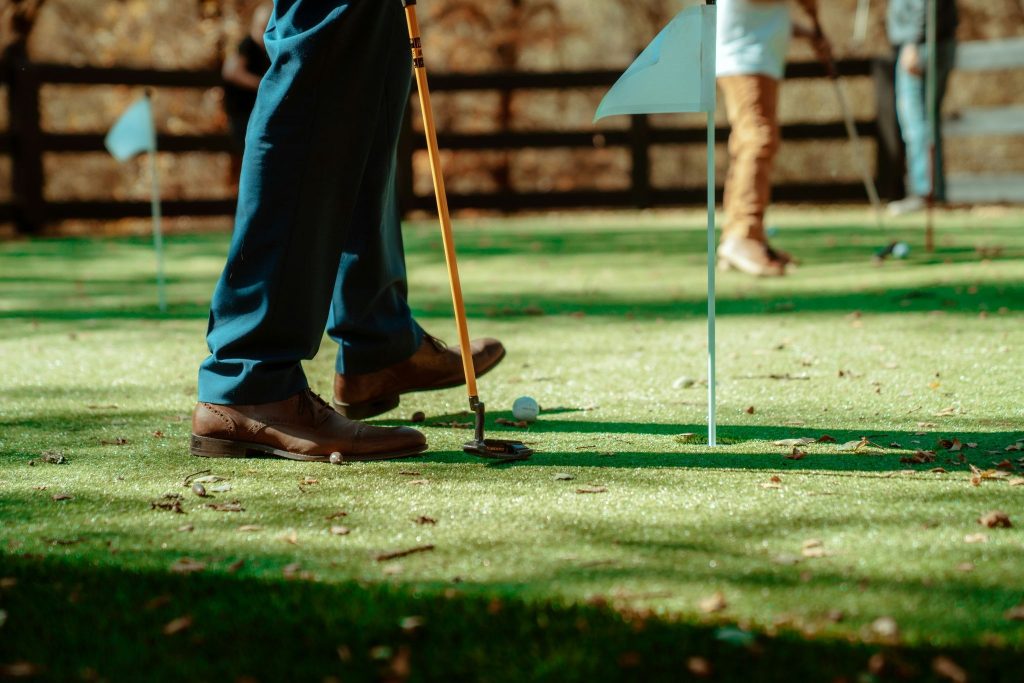
Photo by Meritt Thomas on Unsplash
For many golf enthusiasts, the dream isn’t just to play more often; it’s to bring the game home. Imagine walking out of your back door with a coffee in hand, dropping a few balls, and practicing your short game before the workday even begins. Building a backyard putting green is the ultimate home improvement project for any golfer, offering a private sanctuary to shave strokes off your handicap while increasing your property value. Whether you are looking to master the subtle breaks of a clinching putt or simply want a fun activity for weekend barbecues, this guide will walk you through everything you need to know to transition from a grass lawn to a pro-level green.
Choosing Between Synthetic and Natural Grass
The first major decision in your journey is choosing your surface. Natural bentgrass or Bermuda greens are the gold standard for purists, offering the authentic feel, smell, and feedback of a high-end country club. However, natural greens require a massive commitment, including daily mowing with specialized reel mowers, precise irrigation, and frequent chemical treatments. For most homeowners, synthetic turf is the superior choice. Modern artificial greens are engineered to mimic the roll and speed of professional surfaces without the back-breaking maintenance. They remain emerald green year-round, regardless of the weather, and can be customized to the exact Stimpmeter speed you prefer.
Planning the Layout and Design
Before you pick up a shovel, you need a blueprint. A great backyard green isn’t just a flat circle; it should challenge your skills. Consider the natural topography of your yard. If you have a slight slope, use it to create built-in breaks that force you to account for “left-to-right” or “right-to-left” movement. Think about the “flow” of the green—where will you stand to practice long lag putts, and where will you place the cups for short, high-pressure testers? You should also think about the surrounding area. Adding a small fringe or a “chipping apron” allows you to practice more than just your stroke. If you find your long game needs work too, you might want to look into the best hybrid golf clubs to ensure your approach shots are as sharp as your putts.
Excavation and Base Preparation
The longevity of your green depends entirely on what lies beneath the surface. Once you have marked your perimeter with stakes or marking paint, you must excavate about 6 to 8 inches of soil. This space will be filled with a crushed stone base, typically a mix of “3/4-minus” gravel and finer “crushed fines.” This base provides the drainage necessary to prevent puddling and creates a stable foundation that won’t shift over time. You’ll need to use a plate compactor to ensure the base is rock-solid. This is the stage where you “sculpt” the undulations. A subtle mound in the center can create multiple breaking points, turning a simple practice area into a complex training facility.
Installing the Putting Surface
Once the base is smooth and compacted, it’s time to lay the turf. If you are using synthetic materials, the turf usually comes in large rolls. It is crucial to lay the turf in a way that minimizes seams. If seams are necessary, use high-quality outdoor turf glue and seaming tape to ensure they are invisible and won’t trip up a rolling ball. After the turf is secured, you will apply “infill”—usually a specialized round-grain silica sand. This sand settles between the fibers to keep them standing upright and provides the weight needed to hold the green in place. Brushing the infill into the turf is what allows you to customize the speed; more sand generally leads to a faster, firmer roll.
Selecting the Right Cups and Accessories
A putting green isn’t complete without the satisfying “clink” of a ball hitting the bottom of a cup. Professional-grade plastic or aluminum cups are standard, and you should install them slightly below the turf level to ensure the ball drops cleanly. Don’t forget the flags and poles; choose a height that fits the scale of your yard. While you are upgrading your practice environment, it’s a good time to audit your equipment. Even the most perfectly built green won’t help if your hands are slipping on your putter, so check out the best golf grips to make sure your connection to the club is as solid as your new foundation.
Drainage and Weatherproofing
One of the most overlooked aspects of DIY putting greens is water management. Since you are creating a compacted, non-porous base (especially with synthetic turf), you must ensure that rainwater has somewhere to go. During the excavation phase, you should slightly pitch the entire project toward a drainage area or install a French drain system if your yard is prone to flooding. For those living in areas with harsh winters, synthetic greens are incredibly resilient. They can handle snow and ice, though it is recommended to let the snow melt naturally rather than using a metal shovel, which could snag and tear the delicate turf fibers.
Maintenance and Upkeep
While synthetic greens are “low maintenance,” they are not “no maintenance.” To keep the surface rolling true, you should use a leaf blower regularly to remove debris like twigs, leaves, and pine needles. Over time, the infill sand may settle or wash away slightly, requiring a light top-dressing of new sand every year or two to maintain the desired speed. Brushing the green with a stiff-bristle broom helps keep the fibers from matting down in high-traffic areas. For older players who are looking to stay competitive as they maintain their new home course, investing in the best hybrid golf clubs for seniors can complement the physical ease of a home-based practice routine.
Integrating Landscaping and Lighting
To truly make your backyard green the envy of the neighborhood, focus on the aesthetics. Surround the green with drought-tolerant ornamental grasses, mulch beds, or even a small sand bunker to practice those tricky “up and downs.” Lighting is another game-changer. Installing low-voltage LED path lights around the perimeter or small spotlights on the flags allows you to keep practicing long after the sun goes down. This turns your backyard into a 24/7 golf retreat, providing a peaceful environment to clear your head and work on the most important part of your game.
The Mental Edge of Home Practice
The real value of a backyard putting green is the “incremental gain.” Most golfers only practice their putting for ten minutes before a round when they are already feeling the pressure of the tee time. Having a green at home allows for “micro-practice”—spending fifteen minutes an evening working on your stroke mechanics without any distractions. This builds a level of muscle memory and confidence that is impossible to achieve through sporadic visits to a public range. When you finally step onto the first green of a real course, the hole will look twice as large because you’ve spent hours mastering the same putts in the comfort of your own home.
Final Thoughts on Your Golf Oasis
Building a backyard putting green is an investment in your lifestyle and your passion. While the physical labor involved in excavation and base preparation is significant, the reward of a perfectly rolling surface is well worth the effort. It creates a focal point for your yard, a gathering place for friends, and a dedicated space to refine your craft. Whether you are a scratch golfer or a high-handicapper, the convenience of home practice is the fastest shortcut to lower scores. Start planning your layout today, and soon you’ll be enjoying the luxury of a private green just steps from your back door.
About the Author
Jordan Fuller is a seasoned golf expert and mentor who provides professional advice on equipment and technique to help golfers of all levels improve their game.

About author


Leave a reply