What Is Procure to Pay Software and Why It Matters for Businesses Today?
Imagine running a business where every purchase, every invoice, and every payment is clear, fast, and error free. No guessing, no confusion, and no missing files. What if buying materials or services felt simple and organised every single time? What if you could:
- track every purchase from the moment you ask for something
- compare supplier prices with ease
- approve spending without long delays
- avoid wrong payments and lost invoices
This is exactly what a P2P software system is built to solve. It brings the entire buying journey into one place so businesses can work with more control and less stress. Before we explore why this matters today, we must understand what P2P really covers.
What Procure to Pay Software Means
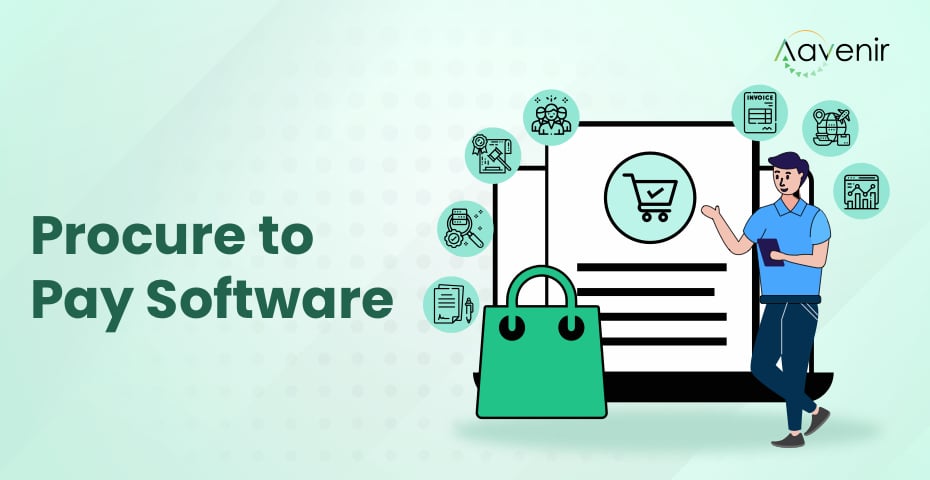
Procure to Pay software connects the whole buying cycle from the first request to the final payment. This helps businesses stay organised and avoid mistakes.
Covers end to end workflow
- It manages everything from requesting items to paying suppliers.
- This gives businesses a smooth and complete buying process.
Clear visibility on spending
- Teams can see what was bought, when, by whom, and at what price.
- This stops unnecessary or repeated purchases.
Makes approvals simple
- Managers can approve requests and orders faster.
- This removes long delays and improves teamwork.
Strong invoice checks
- The system matches invoices with orders so nothing gets paid wrongly.
- This reduces payment risks.
Helps teams work faster
- With one connected flow, people do not waste time switching between tools.
- This speeds up purchasing and payment tasks.
Understanding how P2P works helps businesses see why it is important. Now let us explore how it brings real value.
Why P2P Software Matters for Businesses Today
Modern businesses need faster, safer, and clearer ways to buy. This is why P2P tools are becoming essential.
Fewer errors
- Automation reduces mistakes in orders and invoices.
- This protects businesses from costly payment issues.
Saves time for teams
- People do not need to manually enter the same information again and again.
- Work moves quickly from one step to the next.
Stronger control
- Managers always know where money is going.
- This makes planning and budgeting simple.
Better supplier coordination
- Suppliers receive clear orders and updated information on time.
- This builds trust and reduces delivery problems.
Supports overall business health
- When buying becomes smooth, daily operations improve.
- This helps teams focus on bigger goals.
As these benefits grow, businesses also realise that P2P supports better supplier management. This brings us to the next point.
How P2P Software Strengthens Supplier Relationships
Good supplier relationships keep a business running. P2P systems help build trust and avoid confusion.
Clear purchase orders
- Suppliers receive accurate order details every time.
- This avoids wrong deliveries.
On time payments
- Invoices are processed quickly because matching is automated.
- Suppliers appreciate fast and correct payments.
Easy communication
- All order updates are recorded in one system.
- This prevents back and forth phone calls.
Reliable data
- Both sides can refer to the same order and invoice records.
- This reduces disputes.
Long term partnerships
- When the business is consistent, suppliers want to stay.
- This leads to better pricing and service quality.
When supplier relationships become stronger, the overall buying process improves. Next we look at how P2P boosts internal efficiency.
How P2P Improves Internal Workflows
A connected system brings clarity to teams and makes everyday work easier.
Simple request process
- Employees can raise purchase requests quickly.
- This reduces confusion about how to start buying.
Faster approvals
- Managers get instant alerts for approvals.
- This keeps the buying cycle moving.
Organised record keeping
- All documents sit in one place for easy tracking.
- Teams no longer search through emails or files.
Less manual effort
- Data moves automatically across steps.
- This frees people from repetitive tasks.
Better teamwork
- Everyone follows the same process from start to finish.
- This makes operations smooth and predictable.
With good internal workflows in place, businesses can start thinking about the bigger advantage of P2P, which is reducing costs.
How Procure to Pay Software Helps Reduce Costs
P2P supports smart spending and helps businesses avoid waste.
Stops duplicate spending
- Clear visibility helps teams avoid repeated purchases.
- This saves money naturally.
Helps compare suppliers
- Businesses can easily see which suppliers offer better value.
- This leads to smarter choices and offers businesses attain their underlying objective.
Prevents overpayments
- Invoice matching catches extra or wrong charges.
- This protects cash flow, and keeps your finances intact.
Cuts unnecessary manual work
- Automated tasks reduce the cost of manual labour.
- This makes operations efficient.
Helps plan budgets
- Detailed spend data supports accurate budget planning.
- This keeps finances stable.
These cost savings make P2P an important tool for every modern business, big or small.
Final Thoughts
A well designed procurement software system makes the entire buying journey clear, fast, and error free. With smoother processes, trusted supplier relationships, better visibility, and stronger cost control, businesses can operate with confidence. If you want a simple and smart P2P experience, Procol can help you get started.

About author


Leave a reply