
What Growing Companies Need to Know About Digital Risk
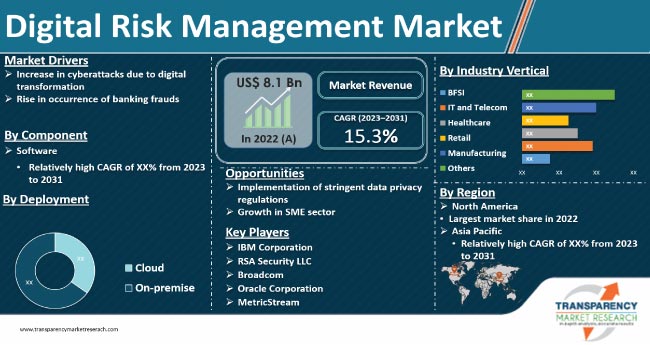
Digital risk is a reality for companies relying on technology to grow. While digital transformation creates opportunities, it also brings new vulnerabilities. Managing these risks is essential for scaling businesses. This guide covers key types of digital risks, highlights critical areas to focus on, and shares strategies to protect your company, customers, and growth Outreach specialists also play a vital role in managing reputation risks, ensuring outreach campaigns align with security and compliance standards.
What Is Digital Risk and Why Does It Matter?
Digital risk refers to any threat to a company’s digital assets, infrastructure, or the data it collects and uses. These risks can stem from cyber attacks, regulatory non-compliance, technology failures, or even simple human error. For growing companies, the stakes are especially high. Each new system, process, or digital channel broadens the potential attack surface and doubles as an opportunity for something to go wrong.
Types of Digital Risks Modern Companies Face
Digital risks take many forms, and their impact can range from minor operational headaches to existential threats. It’s crucial to recognize the main risk categories so you can proactively address them.
Cybersecurity Threats
These are the most frequently reported digital risks. Malicious actors exploit weaknesses in networks, software, or user behavior for profit, sabotage, or ransom. Key examples include:
- Ransomware attacks: Hackers encrypt company data and demand payment to release it.
- Phishing scams: Fraudulent communications trick employees into revealing sensitive credentials.
- Malware infections: Malicious software infiltrates systems, often with the intent to steal data or disrupt operations.
Data Privacy and Protection Risks
Expanding digital footprints lead to vast quantities of collected data. Mismanaging this data or failing to secure it properly exposes businesses to significant risk.
- Unauthorized access: Weak controls put customer and corporate information at risk.
- Data leaks: Accidental sharing or exposure of confidential data.
- Regulatory infringements: Mishandling personal information in violation of laws like GDPR or CCPA.
Compliance and Regulatory Risks
Governments and regulators are moving quickly to address growing digital challenges. Failure to comply with constantly changing legislation can mean hefty fines or forced business changes.
- GDPR/CCPA non-compliance: Mishandling protected data or overlooking data subject rights.
- Industry-specific mandates: Violations can result from lapses in sectors like healthcare (HIPAA), finance (PCI DSS), or others.
Third-Party and Supply Chain Risks
Few companies operate in complete isolation. Working with cloud providers, software vendors, partners, or supply chains introduces dependencies you may not control.
- Vendor data breaches: Third parties with weak security postures expose your own data.
- Integration flaws: APIs or software add-ons may introduce vulnerabilities.
- Service outages: Supplier failures can disrupt your operations.
Technology and Operational Risks
Not all digital risks are malicious. Often, problems arise from system failures, misconfigurations, or outdated technologies.
- Software bugs: Unpatched or legacy software is a common entry point for attacks.
- Hardware failures: Downtime caused by failing equipment.
- Process gaps: Lack of clear digital policies or employee training.
Key Areas Demanding Close Attention
Growing companies often focus on customer acquisition, expansion, and scaling processes. This rapid change can stretch resources and increase exposure in several critical areas.
Data Breaches
A data breach can damage trust, spark regulatory investigations, and generate steep costs. Verizon’s 2023 Data Breach Investigations Report notes that breaches in small to medium enterprises are usually due to credential theft, phishing, or exploitation of vulnerabilities. You must know:
- What sensitive data you store (PII, financial, proprietary info).
- Where it is kept and who has access.
- How quickly you can detect and respond to leaks.
Cyber Attacks
Online attacks grow more sophisticated each year. It’s not just large corporations that are targeted; attackers often view smaller, fast-growing organizations as easier prey.
- Ransomware can bring operations to a halt overnight.
- Business Email Compromise (BEC) can lead to significant financial losses.
- Distributed Denial of Service (DDoS) attacks can cripple customer-facing systems.
Compliance Pressures
Even unintentional compliance failures can lead to real consequences. Regulators worldwide are increasing scrutiny, especially regarding data privacy, employee rights, and financial transparency.
- GDPR and CCPA impose strict requirements on personal data handling.
- Industry-specific requirements (HIPAA, PCI DSS, SOX) may apply to certain business models.
- Annual compliance audits are becoming standard practice, even for startups.
Reliance on Third Parties
Cloud migration, software-as-a-service, and global supply chains introduce dependency risks. Be wary of:
- Risky vendors lack appropriate controls.
- Integration points that don’t follow security best practices.
- Unclear contracts regarding data protection obligations.
Strategies to Minimize and Mitigate Digital Risk
While digital risk is inevitable, proactive management greatly reduces both likelihood and impact. Here’s how companies can build resilience:
Invest in Strong Cybersecurity Services
Engaging with reputable cybersecurity services, such as those in Utah, offers access to the latest tools and expertise. Many providers now offer comprehensive packages that combine threat monitoring, vulnerability scanning, incident response, and compliance support.
- Conduct regular vulnerability assessments and penetration testing.
- Deploy advanced endpoint protection and anti-malware tools.
- Monitor network traffic for signs of compromise.
Educate and Train Employees
Employees remain the first line of defense. Continuous security awareness training builds a culture of caution and accountability.
- Offer regular training on phishing awareness and secure practices.
- Simulate attack scenarios to test preparedness.
- Publish a clear, accessible incident response plan.
Tighten Access and Authentication
Robust access controls help ensure data is only available to those who truly need it.
- Enforce strong, unique passwords across systems.
- Use multi-factor authentication wherever feasible.
- Regularly audit user access privileges.
Build Data Protection from the Ground Up
Data is at the heart of digital risk. Treat it with care:
- Encrypt sensitive data at rest and in transit.
- Maintain regular, offline backups to prevent ransomware disasters.
- Automate data retention and deletion policies in line with regulations.
Vet and Monitor Third-Party Providers
Vendors must be held to the same security standards as your internal teams.
- Include security clauses in all contracts.
- Request evidence of security certifications (SOC 2, ISO 27001).
- Regularly review vendor performance and response readiness.
Stay Updated and Agile
Digital risk evolves rapidly, so your defenses must keep pace.
- Subscribe to threat intelligence feeds relevant to your industry.
- Patch systems and software promptly.
- Test response and recovery plans with tabletop exercises.
Conclusion
With a clear understanding of digital risk and how to manage it, you’re ready to take steps to protect your business. By implementing strong security measures, staying informed, and working closely with vendors, you can reduce the impact of digital threats. Regularly reviewing and updating your strategies ensures they stay effective against new risks. With solid risk management practices, you can confidently navigate the digital landscape while protecting your company’s data and assets. Stay vigilant and prioritize your business’s security.

About author


Leave a reply