
Understanding the Connection Between Jaw Position and Chronic Headaches
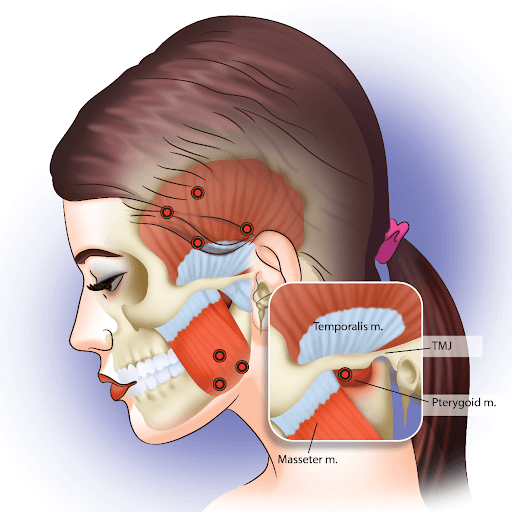
Frequent headaches with no clear cause could be linked to your jaw. This blog explores the connection between jaw position and chronic headaches, the science behind it, and practical tips for relief.
Unpacking the Jaw and Headache Relationship
When most people think of headache triggers, busy schedules and long hours at a screen top the list. But have you considered the role your jaw plays? The jaw, technically called the temporomandibular joint (TMJ), is responsible for everyday actions such as chewing, talking, and swallowing. Its position and health can directly influence your comfort and quality of life.
Temporomandibular disorders (TMD) refer to problems affecting the TMJ, muscles of mastication, and surrounding structures. These disorders often present with jaw pain, but they can also lead to chronic headaches and even migraines.
How Does Jaw Position Impact Headaches?
Here is where it gets interesting. The muscles that move your jaw are closely connected to some of the same nerve pathways responsible for head and neck pain. If your jaw is misaligned—even slightly—it can strain these muscles and nerves, creating a cascade of discomfort.
The City Dental Centers team consists of highly trained professionals who are passionate about delivering quality care. With years of experience in various specialties, their dentists and hygienists work collaboratively to ensure the best outcomes for patients. Their commitment to comfort and excellence sets them apart in the dental field.
Key connections include:
- Muscular tension
An improper bite puts extra stress on the muscles that move the jaw. Over time, this tension can radiate to the temples, forehead, and the back of your head, creating headache pain.
- Nerve irritation
The trigeminal nerve, which is the largest cranial nerve, serves both the jaw and large areas of the head. Jaw misalignment can irritate this nerve, becoming a trigger for headaches or even migraines.
- Posture and stress
Jaw position is closely linked to facial, neck, and head posture. If you tend to clench your jaw or grind your teeth (especially during stressful periods), your risk for chronic headaches increases.
Signs That Your Jaw Might Be the Culprit
How can you tell if your jaw issues are contributing to your headaches? Watch for these common signs:
- Clicking, popping, or locking of the jaw when you open or close your mouth
- Frequent jaw soreness or tenderness, especially in the morning
- Difficulty chewing or pain while eating
- Unexplained headaches that seem to coincide with mouth or jaw movement
- Earaches, ringing in the ears, or a feeling of fullness in the ears without infection
- Noticing that you clench your teeth during the day or wake up with jaw tightness
If you recognize these symptoms, your jaw may deserve a closer look.
The Science Behind Jaw and Head Pain
Recent studies have highlighted a strong relationship between TMJ disorders and various types of headaches. Researchers believe that overlapping nerve pathways and shared muscle groups account for this connection. When the jaw is out of alignment or under strain, pain signals can be transmitted to the trigeminal nerve network, leading to headaches that often mimic tension headaches or migraines.
One review published in the Journal of Oral & Facial Pain and Headache found that patients with TMJ disorders were significantly more likely to report frequent, severe headaches than those without TMD. Importantly, these headaches often persisted—even after trying standard headache treatments. Addressing the jaw issue was the turning point for many.
Steps to Address Jaw-Related Headaches
If you suspect your headaches could be linked to jaw position, don’t fret. Many solutions exist, ranging from self-care habits to professional treatments.
At-Home Strategies
- Jaw relaxation exercises
Gentle stretching and relaxation of the jaw muscles can reduce tightness. Try opening your mouth slightly (without straining) and holding the position for a few seconds several times a day.
- Awareness of habits
Avoid chewing gum, biting nails, or clenching your jaw when stressed. These actions increase jaw strain.
- Stress management
Mindfulness, meditation, and regular exercise can decrease overall tension—including in your jaw.
- Heat and cold therapy
Applying a warm compress to the side of your face can soothe sore jaw muscles.
When to Seek Professional Help
- Dental evaluation
A dentist can assess your bite and TMJ health, identifying misalignment or other issues contributing to headaches, and may recommend 3D printed braces as a solution.
- Custom night guards
If you grind your teeth at night (bruxism), a custom mouthguard can cushion your jaw and reduce stress on the joint.
- Physical therapy
Specially trained therapists can provide exercises and treatments to improve jaw function and relieve pain.
- Medication or other therapies
For persistent symptoms, medical treatments such as muscle relaxants, botox injections, or even minor dental corrections may be recommended.
Conclusion
Chronic headaches can severely impact your daily life, but identifying a connection with jaw position offers new hope for finding relief. Understanding the role of the TMJ and making simple adjustments can make a world of difference. Don’t ignore recurring jaw pain or headaches that don’t respond to usual treatments.

About author


Leave a reply