
Transform Your Outdoor Space: The Ultimate Guide to Modern Garden Living
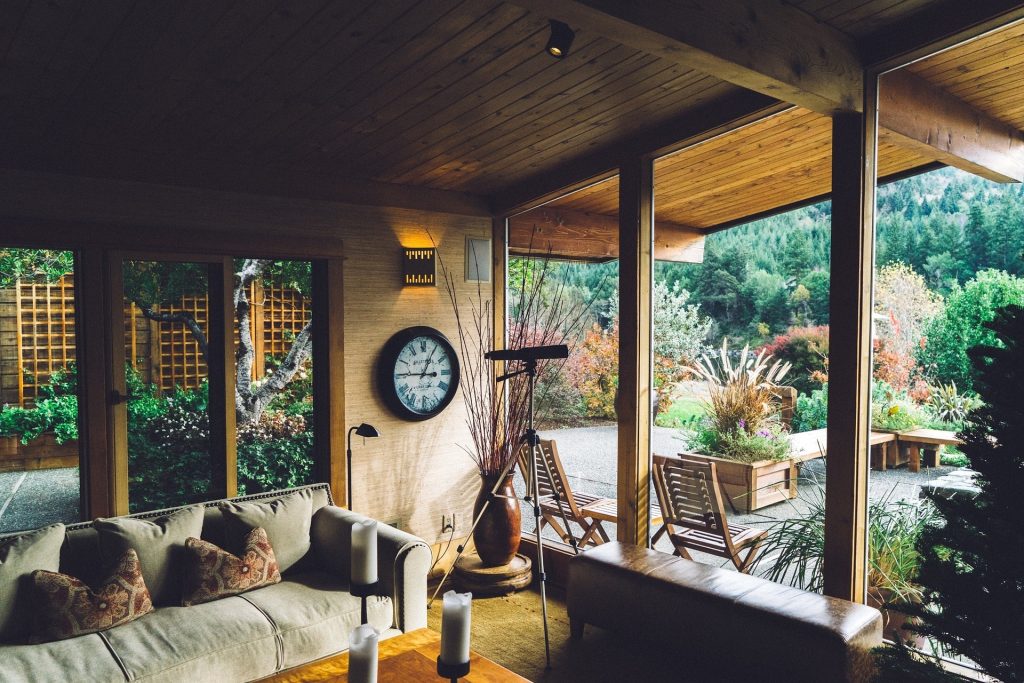
Enhancing your property value and lifestyle often starts in the backyard. Homeowners are increasingly looking beyond traditional extensions, turning instead to versatile, standalone structures. Whether you are seeking a quiet workspace or a luxury leisure spot, the evolution of outdoor buildings has made these dreams more accessible than ever.
The Rise of Versatile Garden Rooms
A garden room is no longer just a fancy shed. It is a fully functional, stylish extension of your home, nestled within your landscape. These structures provide a dedicated sanctuary away from the noise and clutter of the main household.
People are using these spaces for various purposes:
- Art and yoga studios.
- Home cinemas and gaming hubs.
- Personal gyms.
- Guest accommodation.
By investing in garden rooms, you gain a multi-functional area that adapts to your family’s changing needs over the years.
Why Insulated Garden Rooms are a Year-Round Essential
One of the biggest concerns for homeowners is whether an outdoor building is usable during the winter months. The solution lies in high-quality construction. Modern builds utilize advanced thermal technology to ensure they remain comfortable regardless of the weather outside.
Choosing insulated garden rooms offers several key benefits:
- Energy Efficiency: Superior insulation keeps heat in during the winter and reflects heat during the summer, reducing energy costs.
- Soundproofing: Thick, insulated walls provide a natural sound barrier, perfect for music rooms or quiet study areas.
- Structural Integrity: Quality insulation is often paired with moisture-resistant membranes, preventing dampness and rot.
- Comfort: With a stable internal temperature, the room feels like a seamless extension of your primary living space.
Maximizing Productivity with Garden Office Pods
The shift toward remote work has highlighted a major problem: the lack of a “commute” and the blurring of lines between professional and personal life. Working from the kitchen table is rarely sustainable. This is where dedicated workspaces become a game-changer.
Garden office pods offer a compact, professional environment that physically separates your “work self” from your “home self.”
Benefits of a Dedicated Pod:
- Professionalism: A quiet, neutral background for video calls.
- Focus: Minimized distractions from family members, pets, or household chores.
- Ergonomics: Enough space to set up a full desk, ergonomic chair, and dual monitors without compromising your home’s decor.
- Mental Health: The short walk across the lawn acts as a mental transition, helping you “switch off” at the end of the day.
Exploring the Versatility of Garden Pod
If you have a smaller garden or simply need a specific-purpose nook, garden pod are the ideal solution. These units are often designed with a smaller footprint and a more contemporary, rounded, or futuristic aesthetic.
They are perfect for:
- Reading Nooks: A cozy corner to escape into a book.
- Meditation Spaces: A minimalist environment to practice mindfulness.
- Consultation Rooms: Ideal for therapists, tutors, or freelancers who meet clients at home.
The modular nature of these pods means they can often be installed quickly with minimal disruption to your existing landscaping.
Key Considerations Before Your Installation
Before you break ground on your new outdoor project, keep these logistical points in mind to ensure a smooth process.
1. Planning Permission
In many regions, garden buildings fall under “permitted development,” meaning you don’t need formal planning permission. However, this usually depends on the height of the building and its proximity to your boundary. Always check local regulations first.
2. Foundations and Groundwork
A long-lasting room requires a solid base. Options include concrete slabs, ground screws, or plinth systems. Professional installers will assess your soil type to recommend the best foundation.
3. Electrical and Internet Connectivity
To make the space truly functional, you will need a professional electrician to run power from your main consumer unit. For the internet, consider armored Ethernet cables or specialized Wi-Fi extenders to ensure a high-speed connection.
Designing for Aesthetics and Function
The best outdoor rooms don’t just provide space; they look beautiful. When choosing your design, consider how the materials will age and how they complement your home.
- Cladding: Cedar and Larch are popular for their natural rot resistance and stunning silver patina over time. Composite cladding is a great low-maintenance alternative.
- Glazing: Large floor-to-ceiling windows or bifold doors can “bring the outside in,” making the room feel much larger than it is.
- Interior Finish: Plastered walls and laminate flooring give the space a “real room” feel, rather than a “cabin” feel.
Conclusion
Creating a bespoke outdoor space is one of the most rewarding home improvement projects you can undertake. From the thermal efficiency of a year-round retreat to the focused environment of a workspace, the possibilities are endless. By selecting high-quality materials and professional designs, you aren’t just adding a building to your garden—you’re adding a new dimension to your life.
Frequently Asked Questions
Do I need a heater in my garden room?
While high-quality insulation keeps the room warm, most people opt for a small electric radiator or underfloor heating for those exceptionally cold winter mornings.
How long does the installation process take?
Most pods and rooms can be installed within 5 to 10 working days, depending on the design complexity and the required groundwork.
Will a garden room increase my property value?
Yes. Surveys often show that high-quality, insulated outdoor buildings can add significant value to a home, as they are viewed as additional square footage by potential buyers.
Is it possible to have a bathroom in a garden pod?
It is possible, but it requires plumbing and waste management solutions, which will increase the overall cost and may require specific building regulations approval.
How do I maintain the exterior wood?
If you choose natural timber like Cedar, you can let it silver naturally or apply a UV-protective oil every year or two to maintain its original color. Composite options generally require only an occasional wash.

About author


Leave a reply