
How to Choose the Right Brick Repointing Specialist for Long-Term Structural Protection
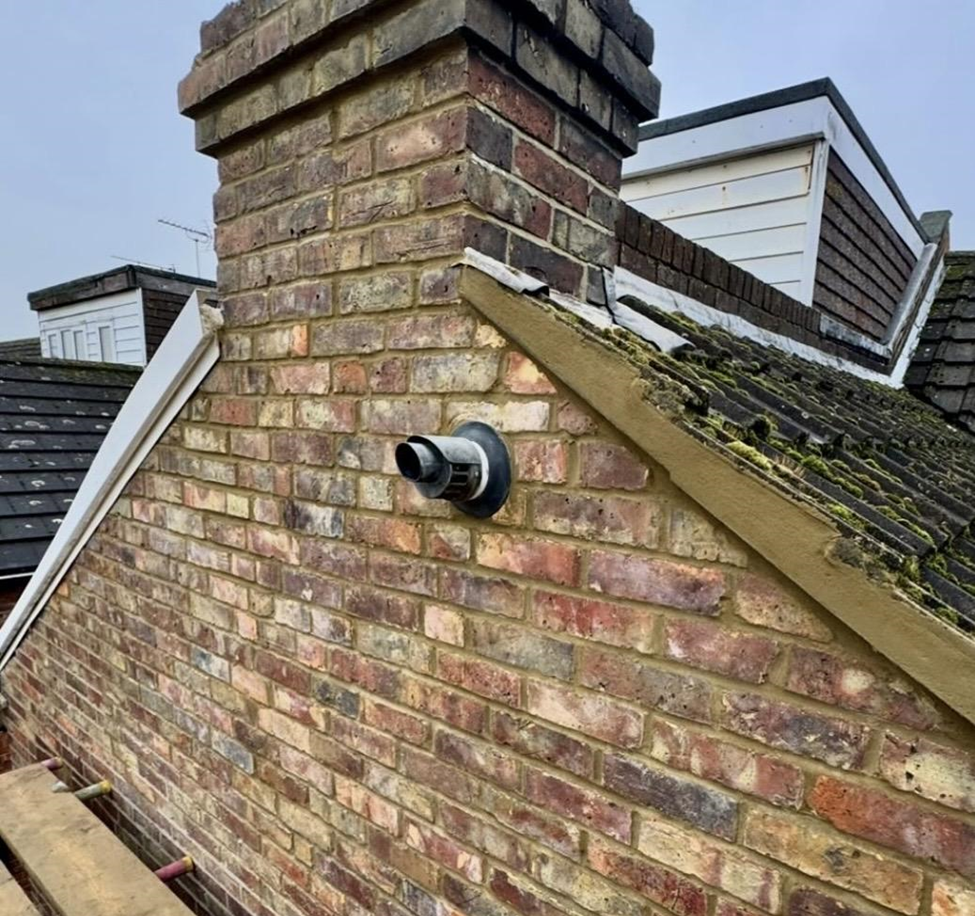
Introduction
Brickwork often appears solid and permanent, yet the true strength of a masonry structure lies in its mortar joints. Mortar acts as both a bonding agent and a protective barrier, keeping bricks aligned while preventing water penetration. When mortar begins to deteriorate, the stability of the entire wall can gradually weaken. Property owners sometimes overlook this subtle decline because damage develops slowly and is not always dramatic. However, neglected joints can lead to significant structural and financial consequences over time.
Repointing is frequently misunderstood as a cosmetic upgrade, similar to refreshing paintwork. In reality, it is a form of preventive maintenance that safeguards the structural integrity of a building. Sound mortar cushions bricks against movement, absorbs minor structural shifts, and resists moisture infiltration. Once it erodes, water can enter the wall cavity and accelerate decay from within. Addressing mortar issues early is far more cost effective than repairing widespread internal damage later.
In recent years, many homeowners have turned to online searches such as Local repointing company near me to find nearby specialists. While accessibility to contractors has improved, choosing the right professional requires careful evaluation. Not all building firms apply the same standards of preparation, materials, or workmanship. Without proper guidance, property owners may struggle to distinguish between short term fixes and long term solutions.
This article explores how to assess brickwork conditions, identify warning signs, and evaluate contractors with confidence. It examines technical considerations, material choices, safety compliance, and planning strategies. By understanding what quality repointing involves, homeowners can make informed decisions that protect both their property and investment for decades to come.
Understanding the Role of Mortar in Structural Stability
Mortar serves a far more complex purpose than simply holding bricks together. It distributes the load of a building evenly across masonry units, helping walls withstand gravity, wind pressure, and minor ground movement. Properly applied mortar creates a uniform bond that allows the structure to act as a cohesive system. When joints are strong and intact, stress is absorbed evenly rather than concentrated in vulnerable areas. This distribution reduces the likelihood of cracking or brick displacement.
Another essential function of mortar is moisture control. Brickwork is naturally porous, meaning it can absorb rainwater and environmental moisture. Mortar joints are designed to be slightly softer than bricks so that they absorb movement and manage moisture evaporation effectively. In traditional construction, lime based mortars allow trapped moisture to escape, reducing the risk of internal dampness. If mortar fails, water can penetrate deeper into the wall, compromising insulation and interior finishes.
Movement tolerance is also critical in masonry construction. Buildings expand and contract with temperature changes, and minor settlement can occur over time. Mortar acts as a flexible buffer that accommodates these shifts without causing bricks to crack. If the mortar becomes brittle or deteriorates, it loses its ability to compensate for movement. This often results in visible cracking along joints or stress fractures in brick faces.
Understanding these structural functions clarifies why repointing is not merely aesthetic. Replacing deteriorated mortar restores the wall’s ability to distribute loads, manage moisture, and absorb movement. A knowledgeable specialist assesses these factors carefully before beginning any work. When mortar performance is prioritised rather than appearance alone, the long term stability of the building is significantly improved.
Early Warning Signs That Your Property Needs Repointing
Mortar deterioration is rarely sudden, and its earliest indicators often appear subtle at first glance. Environmental exposure, seasonal temperature changes, and natural ageing gradually weaken the joints that bind brickwork together. Many property owners overlook these early signs because damage develops incrementally rather than dramatically. Careful observation of exterior walls can reveal patterns that point to emerging issues. Recognising these warnings in time allows preventative action before structural performance declines.
- Crumbling or recessed mortar joints: Mortar that appears powdery, brittle, or sunken between bricks often signals early-stage deterioration. As joints lose density and cohesion, their ability to keep moisture out of the wall system diminishes. Even small gaps can permit water penetration, gradually affecting internal structural layers.
- Cracks along mortar lines: Hairline fractures running through mortar joints may initially seem cosmetic, yet they frequently indicate weather-related stress. Repeated cycles of rain followed by frost cause expansion within these tiny openings. Over time, this freeze-thaw action widens cracks and accelerates joint breakdown.
- Damp patches on interior walls: Moisture stains, peeling paint, or mold growth indoors can originate from failing external mortar. Water entering through compromised joints may travel inward before visible symptoms emerge. By the time interior damage becomes noticeable, the exterior masonry may already require attention.
- Loose bricks or subtle wall movement: When mortar loses its bonding strength, bricks can begin to shift slightly under pressure. This movement may appear minor but can compromise stability if left unaddressed. Professional evaluation determines whether isolated repairs or comprehensive repointing is required.
Early identification of mortar deterioration significantly reduces the risk of extensive structural repairs. What begins as minor joint erosion can evolve into widespread moisture intrusion if ignored. Exterior inspections provide valuable insight long before interior damage becomes severe. Addressing small defects promptly preserves both aesthetic appeal and structural reliability. Proactive maintenance ultimately safeguards the long-term integrity of the entire property.
Why Delaying Repointing Leads to Higher Repair Costs
Postponing repointing work may seem like a practical way to defer expense, yet minor mortar deterioration rarely remains minor for long. When joints weaken, they expose the brickwork to moisture infiltration and structural stress. What begins as superficial erosion can develop into widespread damage beneath the surface. The longer the issue persists, the more complex and costly the repair process becomes. Preventive maintenance is significantly less expensive than structural restoration.
Water ingress is one of the most damaging consequences of neglected mortar. Once rainwater penetrates compromised joints, it can saturate internal cavities and insulation materials. Persistent moisture weakens timber elements, corrodes metal components, and damages plaster finishes. During colder months, trapped water may freeze and expand, accelerating brick and mortar deterioration. These secondary effects multiply the scope of necessary repairs.
Thermal efficiency can also decline when mortar fails. Gaps in joints allow draughts and moisture to enter the wall system, reducing insulation performance. As a result, heating systems must work harder to maintain comfortable indoor temperatures. Increased energy consumption translates into higher utility costs over time. What initially appeared as a cosmetic concern may ultimately impact household budgets year after year.
Structural decay presents the most serious financial risk. Loose bricks, bowing walls, or extensive cracking may require partial rebuilding rather than simple repointing. Such interventions involve additional labour, materials, and potentially scaffold extensions. Early professional assessment ensures that deterioration is addressed before it compromises structural integrity. Timely action preserves both the building’s strength and the owner’s long term investment.
The Difference Between Cosmetic Repairs and Full Repointing
Many property owners assume that filling visible gaps between bricks is enough to restore the condition of their masonry. Cosmetic patching typically targets the most obvious signs of deterioration, such as small cracks or recessed joints. While this approach may produce a short-term visual improvement, it rarely resolves the underlying causes of mortar failure. Surface repairs often cover weakened material rather than removing it completely. As a result, deterioration can continue behind the newly applied layer without being immediately visible.
Full repointing differs significantly in both scope and intent. It involves carefully removing damaged or deteriorated mortar to a consistent and appropriate depth before any replacement material is introduced. This systematic preparation creates a stable base that allows the new mortar to bond securely with the surrounding brickwork. By contrast, superficial patching may leave compromised mortar concealed beneath a thin outer layer. When adhesion is inconsistent, cracking, separation, and water ingress can occur sooner than expected.
Long-term resilience represents another important distinction between the two approaches. Cosmetic repairs frequently rely on quick-setting products chosen for speed and convenience rather than compatibility. If the new material does not match the original mortar in strength and permeability, stress can transfer to the bricks themselves. Moisture may also become trapped within the wall structure, increasing the risk of internal damp and freeze-thaw damage. Professional repointing, on the other hand, evaluates joint depth, breathability, curing conditions, and environmental exposure before selecting materials.
Understanding this difference helps homeowners make informed decisions about maintenance. Repointing should be regarded as a structural intervention designed to restore performance, not simply improve appearance. A qualified specialist will assess the entire elevation and recommend an approach based on condition rather than cosmetic preference. When carried out thoroughly with compatible materials, full repointing enhances both durability and visual consistency. This measured strategy reduces the likelihood of repeated repairs and supports long-term structural reliability.
How to Evaluate a Local Contractor’s Experience
Choosing a repointing specialist requires more than comparing prices. Experience, technical knowledge, and adherence to safety standards all influence the quality of the final result. Property owners often begin their search by typing Local repointing company near me into a search engine, yet the results can vary widely in expertise. Careful evaluation ensures that the chosen contractor understands both traditional masonry principles and modern construction standards. A methodical approach reduces the risk of poor workmanship.
Professional credentials and insurance coverage should be verified at the outset. Reputable contractors carry public liability insurance and comply with relevant health and safety regulations. Membership in recognised trade bodies can also indicate a commitment to industry standards. Documentation should be available without hesitation. Transparency in these matters reflects professionalism and accountability.
Reviewing previous projects provides valuable insight into workmanship quality. Established firms are usually able to share photographs or arrange site visits to completed jobs. Observing consistent joint finishes and clean brickwork demonstrates attention to detail. Client testimonials can further reveal how projects were managed and whether timelines were respected. Consistent positive feedback often signals reliability.
It is also important to assess communication and planning processes. Clear written quotations, defined scopes of work, and realistic schedules show organisational competence. A knowledgeable contractor explains material choices and preparation methods in understandable terms. This level of clarity builds trust and helps homeowners feel confident in their decision. Selecting a specialist based on experience and transparency lays the foundation for durable results.
Materials Matter: Lime Mortar vs Cement Mortar
The selection of mortar is one of the most influential decisions in any repointing project. Mortar is not merely a filler between bricks but a functional component that regulates movement, moisture transfer, and overall structural behaviour. Traditional buildings were commonly constructed using lime based mortar, formulated to work in harmony with solid brick walls. Modern cement mortar, introduced later, provides higher strength but behaves very differently under stress. Choosing an incompatible material can disrupt the natural balance of a wall and accelerate deterioration rather than prevent it.
Lime mortar is widely respected for its flexibility and breathable qualities. Because it remains softer than the surrounding brick, it allows minor structural movement to occur without transferring stress to the masonry units. This flexibility is particularly important in older properties that experience subtle seasonal shifts. Lime mortar also enables moisture to evaporate gradually through the joints, reducing the likelihood of damp becoming trapped within the wall. When properly mixed and cured, it supports long term resilience while preserving the intended performance of traditional construction methods.
Cement mortar offers greater compressive strength, which can be beneficial in certain modern building contexts. However, its rigidity can pose risks when used in heritage or solid wall properties. Under movement or thermal expansion, hard cement joints may force stress into adjacent bricks, leading to cracking or surface damage. Cement based mixes can also restrict moisture evaporation, increasing the potential for internal damp issues. While suitable for some contemporary structures, its application must always align with the building’s original design and materials.
A professional assessment ensures that mortar choice reflects the property’s age, structural characteristics, and environmental exposure. Experienced builders in Hastings and across East Sussex draw on both traditional craftsmanship and modern technical knowledge to guide this decision. By prioritising compatibility rather than convenience, specialists help maintain structural integrity and visual harmony. Thoughtful mortar selection ultimately safeguards brickwork against premature wear and supports enduring architectural value.
The Importance of Proper Raking and Joint Preparation
Proper raking and joint preparation form the backbone of any successful repointing project. Durable results depend far more on groundwork than on the final visible finish. Applying fresh mortar over weakened material may appear efficient, yet it compromises long-term performance. Careful removal and preparation ensure that new mortar bonds securely with stable masonry surfaces. Attention at this stage directly influences structural strength and longevity.
- Thorough removal of deteriorated mortar: Old and weakened mortar must be removed to create a clean and stable base for new application. Simply covering damaged joints prevents proper adhesion and leads to premature failure. Consistent raking to the correct depth allows the replacement mortar to anchor securely within the joint.
- Adhering to recommended joint depth standards: Industry guidance typically advises removing mortar to a depth at least twice the width of the joint. This depth creates adequate space for mechanical bonding and structural stability. Shallow filling may look satisfactory initially but lacks the resilience needed for long-term durability.
- Protecting brick edges during raking: Skilled workmanship is essential to prevent damage to brick arises during mortar removal. Using appropriate hand tools or controlled mechanical methods preserves the integrity of surrounding masonry. Careless techniques can chip brick edges, compromising both strength and visual appearance.
- Cleaning and conditioning the joints: Dust and loose debris must be cleared thoroughly before new mortar is introduced. Brushing and controlled air cleaning improve adhesion by eliminating residual particles. Light dampening in certain cases helps regulate suction and promotes uniform curing.
Joint preparation may require additional time, yet it determines the effectiveness of the entire repointing process. Strong bonding depends on depth consistency, clean surfaces, and careful handling of masonry units. When preparation is rushed, deterioration can reappear far sooner than expected. Professional standards are demonstrated most clearly in these unseen stages of work. Ultimately, meticulous raking and cleaning provide the foundation for reliable and lasting structural protection.
Safety Standards and Compliance in Residential Projects
Safety standards play a fundamental role in the success of residential repointing projects. Working at height, handling tools, and managing debris all introduce potential risks that must be addressed in advance. Responsible contractors integrate structured safety planning into every stage of the process. Clear procedures and documented assessments reduce uncertainty and promote accountability. Prioritising compliance protects workers, occupants, and neighbouring properties alike.
- Comprehensive risk assessments before work begins: Professional teams evaluate potential hazards prior to erecting scaffolding or starting repairs. These assessments identify risks associated with height, access limitations, and nearby public pathways. Defined control measures are then established to minimise exposure and maintain safe working conditions.
- Regulated scaffolding installation and inspection: Scaffolding must be assembled in line with current safety regulations to ensure stability and secure access. Guardrails, firm platforms, and safe entry points significantly reduce accident risks. Regular inspections throughout the project confirm that the structure remains compliant and structurally sound.
- Effective dust control and organised site management: Repointing generates dust and debris that must be carefully contained. Protective sheeting shields windows, doors, and landscaping from falling material. Clear communication with residents helps maintain unobstructed access routes and supports overall site safety.
- Insurance, environmental compliance, and responsible waste disposal: Valid insurance coverage provides reassurance in the unlikely event of accidental damage or injury. Contractors are also expected to follow environmental guidelines when removing and disposing of waste materials. Responsible management reflects both professionalism and commitment to regulatory standards.
Adhering to safety regulations is not merely a procedural requirement but a reflection of professional integrity. Structured planning reduces the likelihood of incidents and ensures smooth project progression. Verified compliance offers homeowners confidence that work is conducted responsibly. Attention to environmental obligations further demonstrates accountability beyond the immediate task. When safety and workmanship standards align, residential repointing projects achieve dependable and secure outcomes.
Comparing Quotes Without Compromising Quality
Obtaining multiple quotations is a sensible step when planning repointing work. However, comparing figures without understanding what each quote includes can lead to confusion. A lower price does not always represent better value, particularly if essential preparation or safety measures are omitted. Homeowners benefit from reviewing each proposal carefully and asking for clarification where needed. Transparency is a strong indicator of professionalism.
A comprehensive quotation should outline the scope of work in detail. This includes the depth of mortar removal, the type of mortar to be used, scaffold arrangements, and waste disposal procedures. Clear timelines and payment schedules also demonstrate organised project management. When descriptions are vague, it becomes difficult to assess whether standards will be met. Detailed documentation helps prevent misunderstandings later.
It is equally important to confirm whether additional repairs are included. Damaged bricks, chimney sections, or lead flashings may require attention during the project. Some contractors provide provisional allowances for unforeseen issues, while others may treat them as separate charges. Clarifying these points in advance avoids unexpected costs once work begins. Open communication fosters trust between both parties.
Quality workmanship carries long term value that extends beyond initial expense. Skilled builders focus on correct preparation, compatible materials, and safe execution rather than rushing the process. In Hastings and the wider East Sussex area, experienced teams approach repointing as a structural investment rather than a superficial repair. By evaluating quotations thoughtfully, property owners can secure durable results that justify the financial commitment.
Conclusion
Brick repointing is far more than a surface improvement. Sound mortar joints underpin structural stability, manage moisture, and preserve the overall lifespan of masonry buildings. When deterioration is addressed promptly, property owners avoid escalating repair costs and safeguard internal finishes. Understanding the technical role of mortar empowers homeowners to make informed decisions. Preventive maintenance consistently proves more economical than reactive rebuilding.
Selecting the right specialist requires careful consideration of experience, materials, preparation standards, and safety compliance. Searching for a Local repointing company near me can provide a starting point, yet meaningful evaluation must follow. Credentials, past projects, and transparent quotations reveal far more than price alone. Thorough preparation and appropriate mortar selection are critical to lasting performance. Attention to detail distinguishes durable craftsmanship from temporary fixes.
Professional builders serving Hastings, St Leonards on Sea, and the surrounding East Sussex region combine traditional masonry knowledge with modern construction practices. Their approach focuses on structural resilience, careful planning, and consistent quality control. By prioritising compatibility and workmanship, they help ensure that brickwork withstands environmental pressures for decades. This blend of heritage skills and contemporary standards offers reliable protection.
Ultimately, investing in qualified repointing expertise strengthens both property value and structural security. Careful contractor selection transforms a routine maintenance task into a long term safeguard. When planning is thorough and execution precise, repointing becomes a strategic measure that protects homes against moisture, movement, and time itself. Thoughtful decisions today lay the groundwork for enduring stability tomorrow.

About author


Leave a reply