
How Multi-Screen Viewing Is Reshaping How Fans Read Live Football
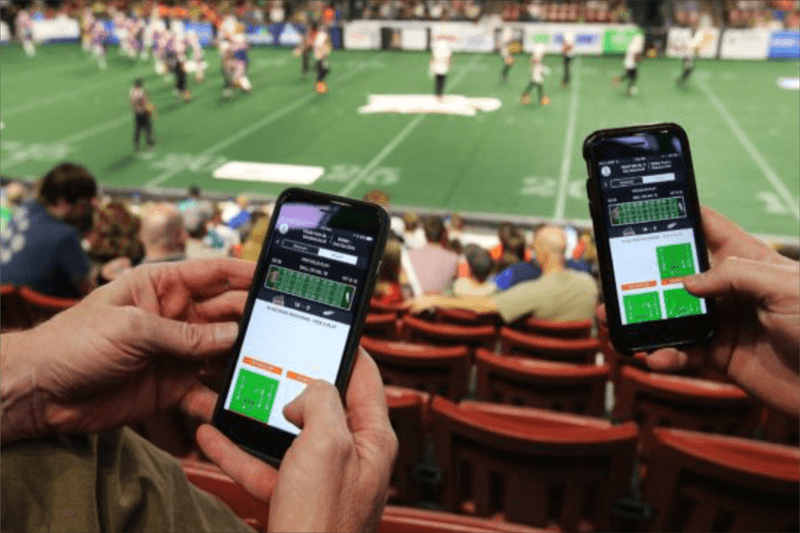
The modern football audience rarely watches a match through a single lens anymore, and that shift has quietly changed how games are interpreted in real time. With multiple screens delivering stats, replays, and parallel matches, the act of watching becomes layered, affecting not just attention but also how performance trends and tactical decisions are understood during live play.
Why Traditional Ratings No Longer Reflect Real Viewing Behavior
Classic television ratings assume a linear, uninterrupted viewing experience, yet football fans now split their focus across devices, timelines, and data feeds. This fragmentation means that a viewer might follow a match without fully committing visual attention at every moment, instead relying on alerts, highlights, or statistical summaries to fill gaps.
As a result, interpreting engagement purely through viewership numbers misses how deeply a match is being processed. A fan checking xG updates while watching key moments is engaging differently from someone watching passively, and that difference directly affects how performances are judged in real time.
How Multi-Screen Habits Change Tactical Awareness
When fans use multiple screens, they often supplement live visuals with contextual data, which sharpens their ability to recognize patterns that might otherwise go unnoticed. Instead of reacting only to goals or major chances, viewers begin tracking buildup structures, pressing triggers, and positional rotations.
This creates a more analytical viewing culture where tactical shifts are noticed earlier. For example, a subtle change from a 4-3-3 to a box midfield might be missed on a single screen but becomes obvious when paired with a heatmap or positional graphic.
The Role of Real-Time Data in Shaping Perception
Live data overlays—especially expected goals (xG), shot maps, and possession chains—reshape how fans interpret whether a team is performing well or simply appearing dominant. A team with high possession but low xG begins to feel less threatening when viewed through this lens.
How xG Alters Match Interpretation
Expected goals quantify chance quality rather than outcome, meaning viewers can separate performance from finishing variance. A striker missing multiple high-xG chances signals a different issue than a team failing to create opportunities at all.
This distinction becomes crucial during live viewing because it reframes emotional reactions. Instead of assuming poor performance based on scorelines, fans can recognize underlying strengths or weaknesses that may persist into future matches.
When Attention Splits Across Matches and Leagues
Multi-screen setups often involve watching more than one match simultaneously, especially during congested fixtures. This broad exposure changes how fans compare teams, as stylistic differences become immediately visible rather than abstract.
A high-pressing team in one match contrasted with a deep-block side in another highlights tactical diversity, helping viewers build a more intuitive understanding of how different approaches influence chance creation and defensive stability.
Before examining how to actively read matches in this environment, it helps to break down the process step by step.
The following sequence outlines how viewers typically process a live game when multiple inputs are involved:
- Initial visual scan of formations and tempo in the opening minutes.
- Cross-checking early stats such as possession and territory.
- Identifying recurring attacking patterns or defensive weaknesses.
- Monitoring xG accumulation to evaluate chance quality over time.
- Adjusting interpretation based on substitutions or tactical shifts.
This sequence reflects a layered viewing habit where attention moves between instinct and data. Importantly, it allows fans to correct early assumptions before they become fixed narratives. When watching live, this approach helps distinguish between temporary momentum and sustainable performance, making it easier to anticipate how a match might evolve rather than reacting only to isolated moments.
Watching Live to Connect Data With Reality
Watching matches in real time through ดูบอลสด creates a crucial bridge between raw numbers and actual gameplay. Statistics like xG or shot counts gain meaning only when tied to visible patterns such as defensive spacing or transition speed. Without live context, numbers risk being misread as definitive conclusions rather than indicators of deeper processes.
This connection becomes especially important when evaluating whether a team’s dominance is structural or situational. A high xG total might come from repeated defensive errors rather than controlled attacking play, and that distinction is only clear when seen unfold live. By aligning visual evidence with statistical trends, viewers develop a more grounded understanding of performance that holds up beyond a single match.
Where Multi-Screen Viewing Can Mislead
Despite its advantages, multi-screen viewing introduces risks, particularly when attention becomes too fragmented. Important off-ball movements or defensive adjustments can be missed, leading to incomplete interpretations of why certain chances occur.
Another common issue is overreliance on data snapshots without considering match context. A sudden spike in xG may reflect a brief chaotic period rather than a sustained tactical improvement, yet it can disproportionately influence perception if not carefully interpreted.
Comparing Metrics Across Teams
To better understand how multi-screen viewing enhances comparison, consider how different teams generate attacking output:
| Team Style | Avg xG per Match | Shot Type Focus | Tactical Pattern |
| High pressing side | 1.8 | Close-range shots | Quick turnovers, vertical play |
| Possession-heavy | 1.5 | Mixed shot selection | Structured buildup |
| Counter-attacking | 1.2 | Fast-break chances | Deep block, rapid transitions |
This comparison highlights how similar outputs can emerge from very different tactical approaches. When watching live, recognizing these distinctions helps viewers avoid oversimplified judgments based purely on totals. Instead, they can focus on how chances are created, which provides stronger insight into whether a team’s approach is repeatable against different opponents.
How This Changes Long-Term Match Understanding
Over time, multi-screen habits train viewers to think probabilistically rather than emotionally. Instead of judging teams by isolated results, fans begin to track patterns such as consistent chance creation or recurring defensive lapses.
This shift leads to more accurate expectations. A team that repeatedly underperforms its xG may be seen as inefficient rather than unlucky, while a team outperforming metrics might raise questions about sustainability. These insights become especially valuable when watching future matches, as they provide a framework for interpreting performance beyond the scoreline.
Summary
Multi-screen viewing transforms ดูบอลโลก 2026 ฟรี กับ Goaldaddy from a single-stream experience into a layered analytical process. By combining live visuals with real-time data, fans gain a clearer understanding of tactics, chance quality, and performance trends. However, this approach requires careful attention to context to avoid misleading conclusions. When used effectively, it allows viewers to read matches with greater precision, making every live game a more informed and engaging experience.

About author


Leave a reply