
Choosing Lighting That Works for Today’s Multi-Functional Kitchens
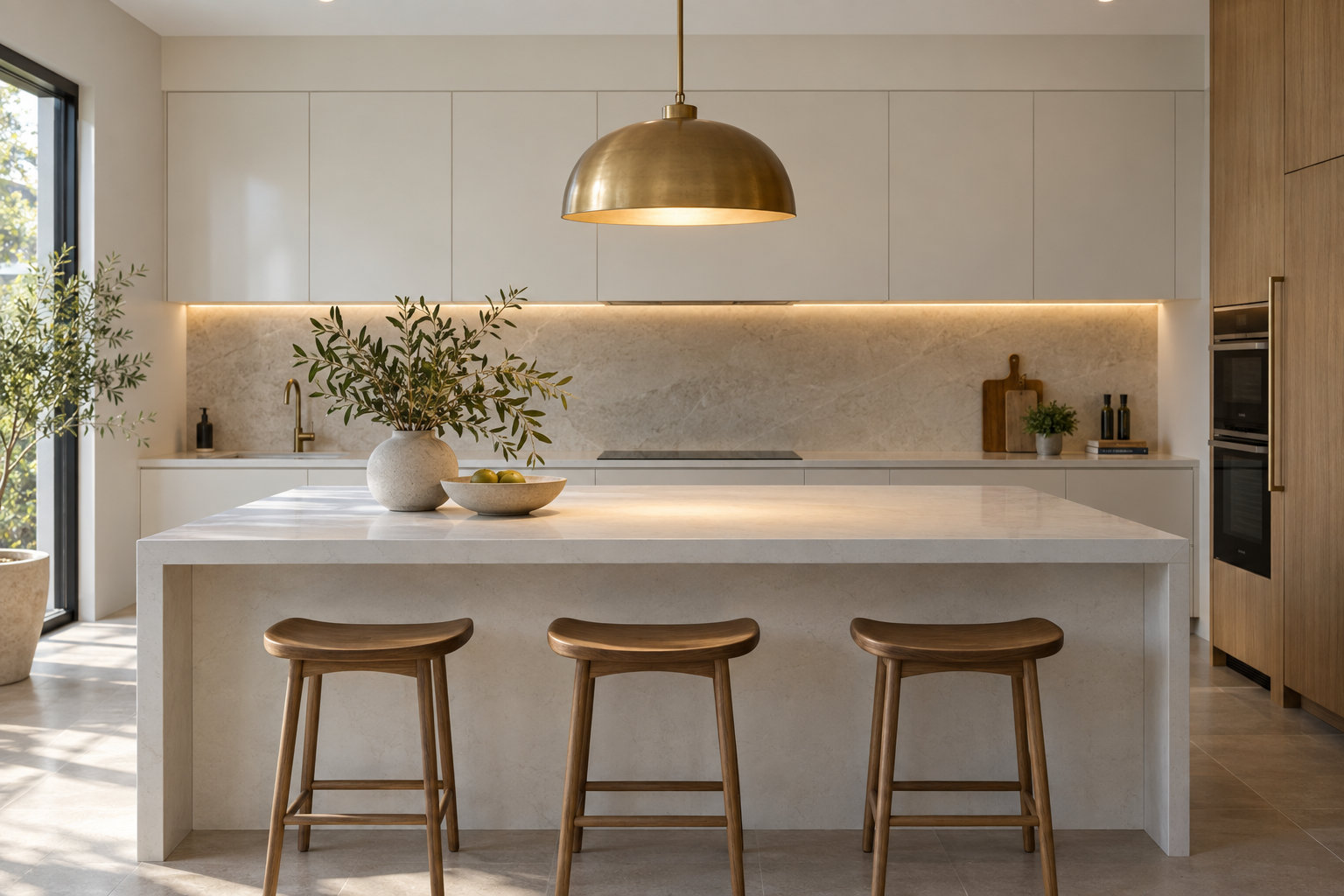
Kitchens have evolved from single-purpose rooms into the central hub of modern homes. Effective lighting now needs to support cooking, working, socialising, and family life within a single flexible space. Selecting the right lighting scheme can make everyday tasks easier while enhancing comfort and atmosphere in these multi-functional spaces.
Today’s kitchen often blends meal preparation with informal dining, homework, or even remote work, making adaptable lighting more essential than ever. Visual Comfort designer kitchen lighting, combined with careful layout planning, can improve the practicality and overall look of a busy kitchen environment. Relying solely on a single ceiling fixture is usually insufficient, as each activity zone benefits from tailored illumination. By considering both functional requirements and appearance, your kitchen can adapt efficiently as your needs change throughout the day.
Mapping kitchen activities and identifying key lighting zones
Before choosing specific fixtures or lamp types, begin by evaluating what functions your kitchen serves. Most modern kitchens include areas dedicated to food preparation, cooking and cleaning, casual dining, and sometimes a space for studying or home working.
Mapping these activity zones clarifies which tasks occur where, helping you decide what type of light each space needs. For example, brighter, focused task lighting is beneficial for chopping and cooking, while more ambient lighting is often more suitable for social or relaxing areas. Addressing zones in this way ensures every part of the kitchen is lit appropriately.
Zones may overlap, particularly in kitchens that also serve as social spaces. Lighting should be flexible to accommodate shifting activities, allowing an easy transition from brighter, practical use to a more subdued atmosphere when required. This method produces a space that adapts without sacrificing comfort or safety.
Layered lighting strategies to prevent dark spots and glare
Layering lighting is crucial for kitchens that host various activities. A layered approach combines ambient, task, and accent lighting, with each type serving a specific need. This method helps maintain balanced lighting throughout the space, minimising both dark spots and excessive glare.
Ambient lighting is the foundation of your setup and typically comes from ceiling fixtures, recessed downlights, or pendants. Consistent general lighting supports safe movement, but the layout must avoid creating flat or overly bright areas. Task lighting is then directed onto high-use work areas such as counters and hobs, often supplied by under-cabinet strips or adjustable spotlights.
Accent lighting introduces depth and interest, highlighting island units, display shelves, or unique features. When ambient, task, and accent lighting are combined thoughtfully, the pitfalls of relying on one strong central source are avoided. Some ranges from Visual Comfort, whose brand is known for designing and curating premium decorative and architectural lighting that blends timeless design, craftsmanship, and performance for residential and commercial spaces, support layered lighting schemes suitable for busy kitchens.
Creating practical and comfortable light for every activity
Task lighting is especially important in areas where food is chopped, measured, and cooked. Using LED strips or puck lights beneath cabinets helps ensure worktops are well-lit, reducing shadows and eye strain. Providing adequate brightness in these areas supports safe and efficient meal preparation.
For sinks and cooking hobs, directional spotlights or wall-mounted lamps deliver focused light without unwanted shadows. Setting separate lighting circuits on dimmer switches allows for quick changes to light intensity, meeting the needs of each activity. This adaptability makes both early morning starts and late-night tasks more manageable.
Ambient lighting in a kitchen should create even illumination without feeling harsh. Over-reliance on downlights may cause an unwelcoming or patchy effect. Instead, combining ceiling lights with additional wall or uplighting helps distribute light gently. Keeping a consistent colour temperature across all sources is also important, as it brings visual cohesion and comfort.
Accent lighting can showcase design features, like statement islands or open shelving, without overwhelming the space. Subtle LED strips below cabinets or at floor level define zones visually, while small feature pendants soften seating areas. Using a mix of these lighting layers means both style and practical needs are met, accommodating changing activities throughout the day.
Essential tips for colour temperature, controls, and avoiding mistakes
Colour temperature greatly influences the kitchen’s atmosphere and functionality. Warmer tones—around 2700K to 3000K—may enhance the appearance of food and make dining areas feel welcoming; cooler tones are often chosen for tasks requiring clear, bright light. Consistency in colour temperature helps create a unified look and supports comfortable use for extended periods.
Modern lighting controls, such as dimmers and the ability to zone lighting circuits, offer flexibility to move between bright, focused work and a more relaxed setting. Sensor-based or timer controls may also be helpful for busy routines.
Frequent mistakes include relying solely on a central fixture, incorrect placement of pendant lights that can cause glare, and using bulbs with mismatched colour temperatures. Insufficient lighting on work surfaces or exposed bulbs that produce strong reflections are also common pitfalls. Choosing a well-balanced combination of fixture types and thoughtful control systems helps to avoid these problems and enhances the flexibility of your kitchen.
By clearly identifying activity zones, layering ambient, task, and accent lighting, maintaining a consistent colour temperature, and using adaptive lighting controls, you can achieve a kitchen lighting scheme that suits each aspect of daily life. This balance supports both practical needs and comfort, keeping the kitchen functional and welcoming for any occasion.

About author


Leave a reply