
Mould Remediation: Why a Fresh Coat of Paint Is Not Always the Answer
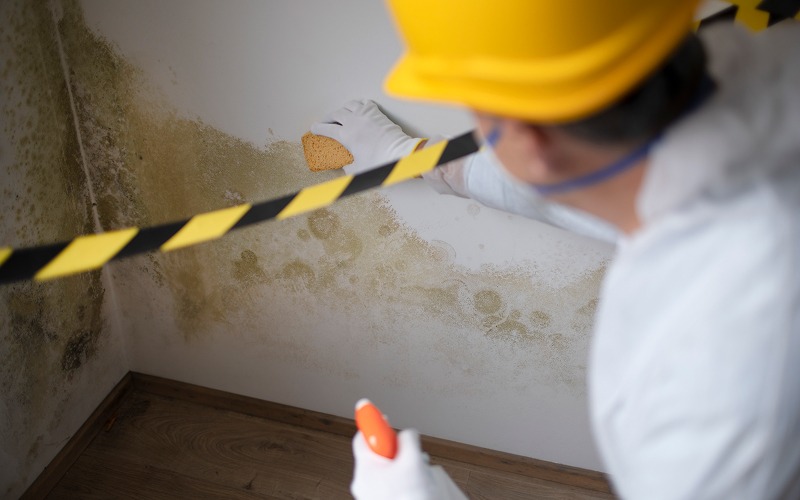
Key Insights for a Healthy Home
- Painting over mould only hides the surface problem while leaving toxic spores to thrive underneath.
- Persistent mould is often a symptom of underlying moisture issues that require structural diagnosis.
- Professional mould remediation targets the root cause to ensure long-term safety for your family and property.
- Environmental remediation services provide the scientific expertise needed to identify hidden contamination that DIY methods miss.
Understanding the Hidden Threat of Mould
It is a common scenario: you notice a small, dark patch on your wall or a faint musty smell in your wardrobe. Your first instinct might be to grab a tin of paint, cover the discolouration, and get on with your day. However, applying a fresh coat of paint is akin to putting a plaster on a broken bone. It addresses the aesthetic symptom, but it ignores the biological reality lurking beneath the surface. Mould is not just a blemish; it is an active, living organism that feeds on organic materials like drywall, timber, and even the paint itself. When you seal mould behind new layers of paint, you aren’t removing it. You are simply creating a darker, more sheltered environment for it to grow, potentially allowing it to spread deeper into your wall structures.
Why Is Painting Over Mould Dangerous?
Have you ever wondered what happens when you trap a fungus behind a chemical barrier? When you paint over active mould colonies, you disrupt the natural drying process and trap moisture against the wall. The mould continues to feed on the substrate, releasing spores and mycotoxins into your indoor air. These invisible particles can trigger respiratory issues, allergies, and chronic discomfort for your family. Furthermore, because you have effectively camouflaged the problem, you may be unaware of its escalation until the structural integrity of your wall is compromised. Professionals in environmental remediation services know that visibility is only half the battle. A truly clean space requires the complete eradication of spores and the neutralisation of the moisture source feeding them.
When Should You Call in the Experts?
If you find yourself scrubbing the same area repeatedly only for the dark patches to return, you are likely dealing with a deeper moisture anomaly. How do you know when professional intervention is required? The answer often lies in the persistence of the issue. If the growth returns within weeks, if there is a persistent damp odour, or if you notice symptoms like recurring headaches and throat irritation while indoors, it is time to stop guessing.
Professional mould remediation involves a rigorous inspection process that tracks moisture pathways, whether from plumbing leaks, condensation, or structural seepage. Experts use specialised equipment to detect hidden biological hazards that remain invisible to the naked eye. Relying on superficial fixes often leads to recurring costs and worsening damage, whereas a targeted, expert approach saves you from catastrophic structural repairs in the long run.
What Does Proper Remediation Entail?
A professional approach to the problem is fundamentally different from a weekend DIY project. What does effective remediation look like in practice? It begins with a thorough diagnostic assessment to map the extent of the contamination and identify why the mould formed in the first place. This might involve moisture mapping, surface sampling, or even checking ventilation efficiency. Once the scope is identified, containment is established to prevent the spread of toxic spores to other areas of your property during the cleaning process. The affected materials are then treated or removed based on the severity of the contamination. Finally, the focus shifts to moisture control and prevention, ensuring that your home remains dry and inhospitable to future fungal growth. This scientific process is the core of what professional services provide.
Can You Permanently Protect Your Space?
Achieving a truly healthy indoor environment is about more than just a single treatment; it is about maintaining a balance that prevents future issues. How can you ensure your home stays mould-free? The most critical factor is ongoing moisture management. This includes improving ventilation in high-humidity areas like bathrooms and kitchens, repairing leaks promptly, and keeping indoor humidity levels in check. After a professional intervention, you should be equipped with a post-remediation plan that guides you on how to monitor your space. While it might be tempting to think a quick repair is sufficient, the peace of mind that comes from knowing your home is structurally sound and biologically safe is invaluable. Investing in professional support is not just about aesthetics; it is about protecting your health and your most valuable asset.
Take Control of Your Indoor Environment
Do not let a fresh coat of paint deceive you into thinking your home is healthy. Our team specialises in comprehensive mould remediation and advanced environmental remediation services, ensuring that we tackle the root cause rather than just masking the symptoms. Let us help you breathe easier and restore the safety of your home. Contact us to schedule your assessment and take the first step toward a permanently healthier indoor space.

About author


Leave a reply