
How to Foster a Clean and Green Community Together
In today’s world, environmental challenges are more pressing than ever. From overflowing landfills to polluted air and water, it’s clear that taking care of our environment can no longer be an individual effort—it requires communities to come together. Fostering a clean and green community is not only essential for the health of our planet but also for the well-being and quality of life of every resident. The good news? With a bit of collective action and commitment, anyone can contribute to creating cleaner, greener neighborhoods. Here’s how we can do it together.
To further enhance our community’s sustainability efforts, it’s essential to consider efficient waste management solutions. Utilizing services like elginsdumpsterswestpalmbeach.com can significantly aid in organizing community clean-up events by providing reliable dumpster rentals. This not only ensures proper disposal of waste but also encourages residents to participate actively in maintaining a cleaner environment. By integrating such resources, we can collectively reduce our carbon footprint and promote a greener lifestyle. Engaging local businesses in these initiatives fosters a sense of community responsibility and paves the way for a more sustainable future.
1. Raise Awareness and Educate Your Community
The first step in fostering a clean and green community is education. Many people want to help but don’t always know how or why their actions matter. Hosting workshops, community talks, or even simple social media campaigns can spread knowledge about the importance of waste reduction, recycling, energy conservation, and sustainable living.
Schools, local organizations, and neighborhood associations can play a pivotal role in this effort. By involving children and adults alike, communities build a culture of environmental responsibility that can last for generations.
2. Organize Community Clean-Up Events
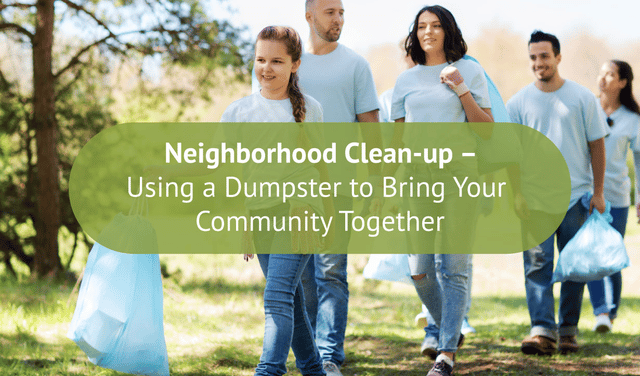
One of the most effective ways to boost your neighborhood’s cleanliness is by organizing community clean-up events. These gatherings unite residents to collect litter, eliminate graffiti, and revitalize public areas such as parks, sidewalks, and streets. In Utah, combining these efforts with regular street sweeping helps keep the roads clear of debris and improves overall community health. Clean-up days not only enhance the environment visually but also foster a strong sense of pride and collaboration among neighbors.
To make these events enjoyable and motivating, consider adding refreshments, music, or small prizes. Collaborating with local businesses and environmental organizations can also provide essential supplies like gloves, trash bags, and recycling bins, ensuring everyone has what they need to contribute effectively.
3. Promote Recycling and Waste Reduction
Waste management is a critical part of any clean community initiative. Encourage households and businesses to reduce waste by composting food scraps, reusing items, and recycling properly. Communities can work with local waste management services to improve access to recycling bins and provide clear instructions on what can be recycled.
Consider starting a swap program or thrift market where residents can exchange or donate items they no longer need instead of throwing them away. This helps reduce landfill waste and promotes the reuse of goods.
4. Support Green Spaces and Urban Gardening
Green spaces like parks, community gardens, and tree-lined streets are vital to a healthy and beautiful environment. They improve air quality, provide habitats for wildlife, and offer residents places to relax and connect with nature.
Encourage residents to plant trees, flowers, or vegetable gardens in shared spaces or even their yards. Community gardens can become social hubs where neighbors share tips, seeds, and harvests, fostering stronger community bonds along with environmental benefits.
5. Advocate for Sustainable Transportation
Car emissions are a major contributor to urban air pollution and climate change. Promoting sustainable transportation options can significantly improve community health and reduce the carbon footprint.
Encourage walking, biking, carpooling, and using public transit whenever possible. Communities can petition local governments to improve bike lanes, sidewalks, and public transportation infrastructure. Organizing “car-free days” or bike-to-work challenges can be fun ways to raise awareness and participation.
6. Get Local Leaders Involved
To create lasting change, it’s essential to involve local government officials and community leaders. Advocate for policies that support environmental sustainability, such as banning single-use plastics, encouraging renewable energy, and investing in green infrastructure.
Attend city council meetings, join advisory boards, or start petitions to push for these initiatives. When local leaders prioritize environmental issues, communities have more resources and support to implement clean and green projects.
7. Practice Energy Conservation
Energy use is another key factor impacting the environment. Communities can encourage residents to adopt energy-saving habits such as turning off lights when not in use, using energy-efficient appliances, and insulating homes properly.
Organizing workshops on solar energy, home energy audits, or smart thermostats can help people reduce their energy consumption and utility bills. Some communities even band together to negotiate group rates for solar panel installations, making clean energy more affordable.
8. Celebrate Successes and Keep Momentum Going
Building a clean and green community is an ongoing process. Celebrate milestones like successful clean-up events, new garden projects, or local policy wins to keep everyone motivated. Share stories and photos on social media or community newsletters to recognize volunteers and inspire others.
Regularly revisiting goals and planning new initiatives keeps the momentum alive. Creating a community environmental committee or task force can help maintain focus and organize future efforts.
In Conclusion
Fostering a clean and green community is a shared responsibility, but it also brings immense rewards—healthier environments, stronger social ties, and a sense of pride in where we live. By educating one another, organizing collective actions, supporting sustainable practices, and involving local leaders, communities can make a real difference. Every small step taken together adds up to big environmental improvements. So, let’s roll up our sleeves and start building the clean, green neighborhoods our future generations deserve.

About author


Leave a reply