
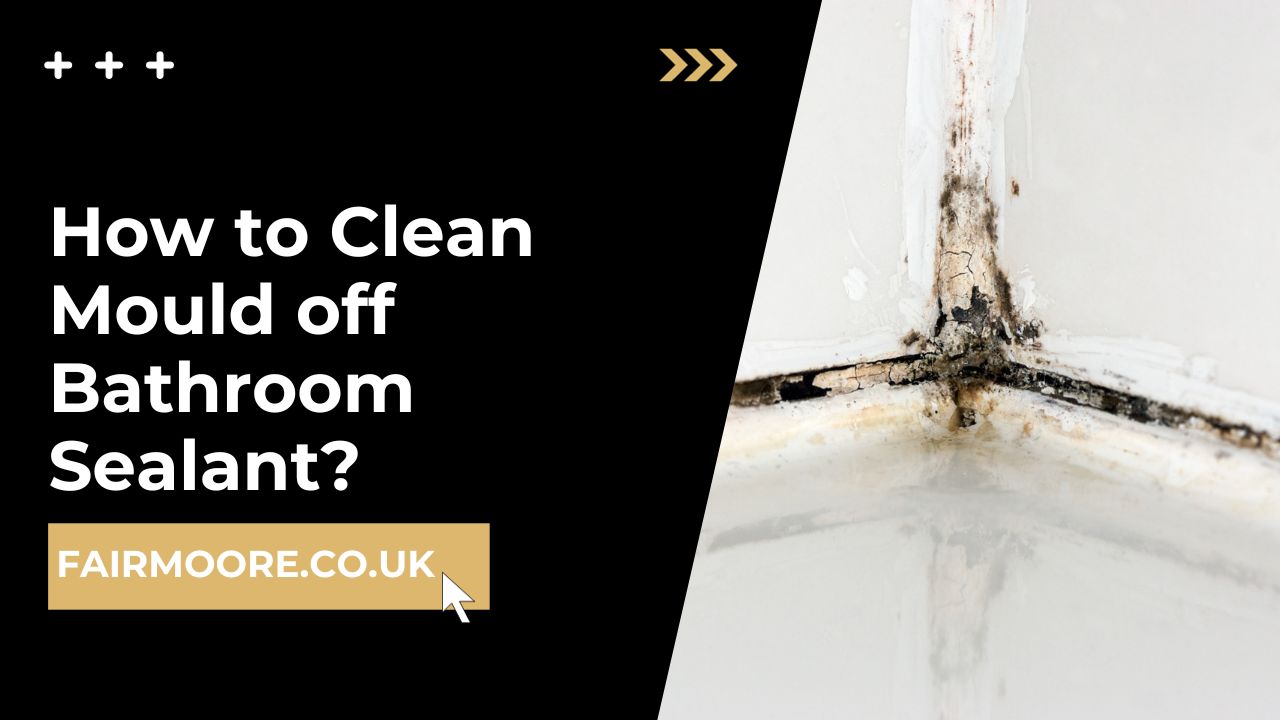
How to Clean Mould off Bathroom Sealant – Complete Guide
Mould in the bathroom is not only ugly, but it can also be bad for your health, especially if you have allergies or breathing problems. Why does it show up, though? And more importantly, how to clean mould off bathroom sealant?
Mould is a common problem in bathrooms all over the UK, from busy city apartments to cozy country houses. Mould grows best where there is a lot of wetness, a warm environment, and not much airflow. Don’t worry, though! There is a lot of information in this guide that will help you get rid of mould and keep your bathroom looking great, no matter how much experience you have with home repairs.
It’s possible to get rid of mould on bathroom caulk in a number of ways, some of which are natural and some of which are stronger. We’ll also give you advice on how to stop mould from growing so that your bathroom stays clean, healthy, and fun.
What is Mould?
Spores, which are very small, spread through the air and make up mould. You can’t see these germs with the naked eye, and they are always around us. When these spores land on damp or wet surfaces, they start to grow and spread, making mould colonies that we can see. These groups can be black, white, green, or even pink.
Why Does Mould Form?
Mould grows best in damp places that don’t get enough airflow. Here are some common reasons why mould grows, mostly in bathrooms:
1. High Humidity: Mould grows best in places where the humidity is high (above 60%). This happens a lot in places that get a lot of rain, like many parts of the UK.
2. Poor Ventilation: Places that don’t get enough airflow tend to keep water in, which makes them perfect for mould to grow.
3. Leaks: When pipes, roofs, or windows leak water, there is too much wetness, which mould loves.
4. Condensation: Showering, cooking, and other activities that make a lot of steam and wetness can cause condensation to form on walls, ceilings, and other surfaces. If there isn’t enough airflow, this wetness can cause mould to grow.
5. Wet Surfaces: Surfaces that stay wet for a long time, like kitchen tables, bathroom walls, or window sills, can help mould grow.
How to Clean Mould off Bathroom Sealant: Step-by-Step
Here are the detailed steps to clean mould off the bathroom:
1. Necessary things:
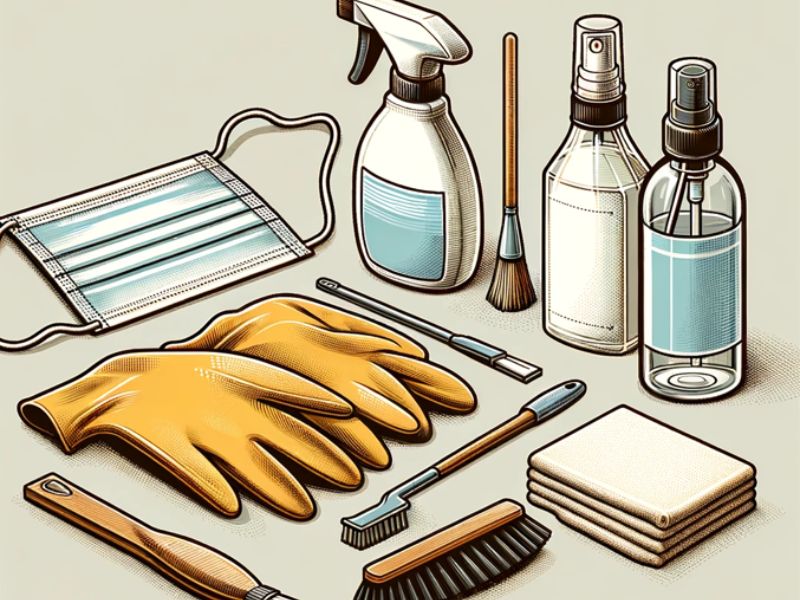
Before you start, gather your tools. You’ll need:
- Protective gloves and a mask
- A spray bottle
- White vinegar or a dedicated mould remover
- A soft-bristled brush or an old toothbrush
- A clean cloth
- (Optional) A dehumidifier to control moisture in the room post-cleaning
2. Ensure Safety:

Wear gloves and a mask to stay safe. mould spores can be dangerous if breathed in, so it’s important to keep them away. To let air flow, open the windows or turn on an exhaust fan.
3. Mix Your Mould-Busting Solution:

Mix white vinegar and water in your spray bottle until they are equal parts. You can buy a stronger mould remover at the store. Choose one that is safe for bathrooms and follow the directions on the box. There are a lot of choices at many UK grocery stores and home improvement shops.
4. Apply the Solution:
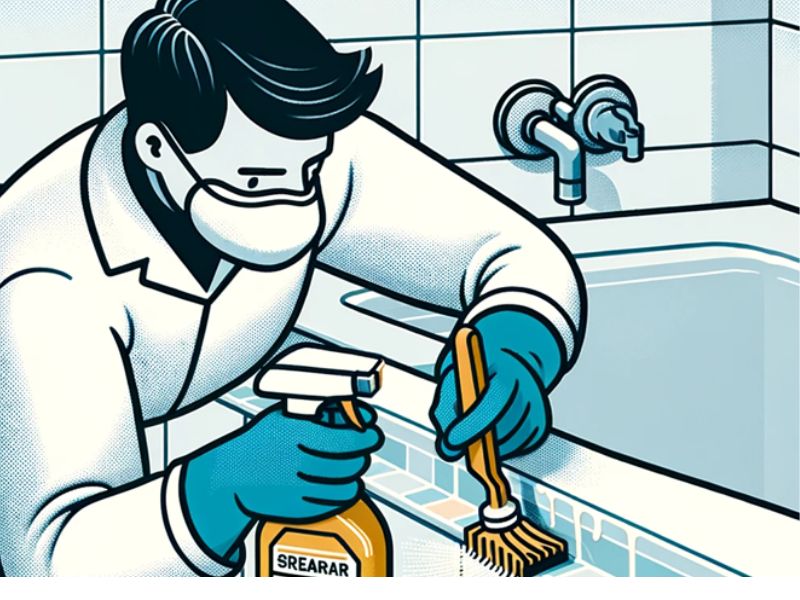
Spray a lot of your cleaning solution on the mouldy sealer. Make sure you cover all the places that need it. Allow the answer to do its thing for around 30 minutes. This time on the surface is very important for breaking down the mould.
5. Gentle Yet Effective Scrubbing:
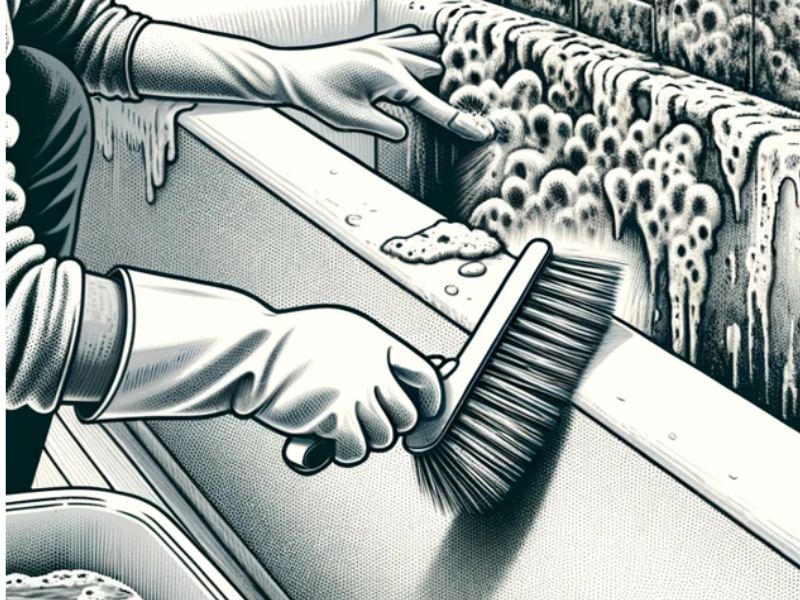
Once the time is up, gently scrub the sealant with a soft-bristled brush or an old toothbrush. To keep from ruining the sealant, it’s important to be thorough without being too rough.
6. Rinse and Reveal:
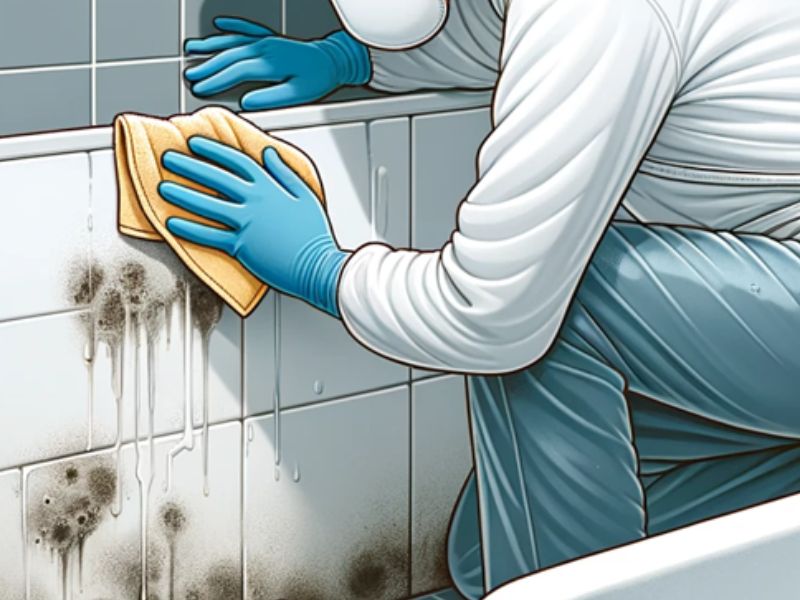
Clean the spot with water and a clean cloth. The surface will start to look cleaner and mould-free.
7. Persistent Mould Strategy:
Don’t give up if some mould is still there. You could apply the solution again and let it sit for longer, or you could scrub it again. For cases that won’t go away, you might need a special mould cleaner.
8. Final Touches for a Sparkling Finish:
When you’re happy with the outcome, use a clean cloth to completely dry the area. This step is very important to keep mould from growing again.
9. Post-Cleaning Care:
To keep the bathroom mould-free, you might want to use a fan to lower the humidity. This is especially helpful in the UK, where it rains a lot.
Also Read: How Long Does Bathroom Sealant Take To Dry
Precautions
● Always wear gloves and ensure good ventilation when cleaning mould.
● Test the cleaning solution on a small area first to ensure it doesn’t damage the sealant.
● Never mix bleach with other cleaning agents, especially ammonia, as it can create toxic fumes.
Alternative Ways to Clean Mould off Bathroom Sealant
Cleaning mould off bathroom sealant can be tackled with various methods, each effective in its own way. Whether you prefer natural, eco-friendly solutions or stronger commercial cleaners, there’s an option to suit your needs. Here are some alternative ways to clean mould off bathroom sealant:
1. Baking Soda and Water
Baking soda is a natural cleaning agent that helps to break down mould without harsh chemicals. It’s safe for most surfaces and is eco-friendly.
To make a thick dough, mix baking soda and water together. Use a lot of this paste on the mouldy sealer. Then, allow the paste to get into the mould by waiting about 10 to 15 minutes. For a gentle scrub, use a soft toothbrush or brush. Because baking soda is slightly rough, it works well without being too rough. Also, use water to clean the area, then dry it with a clean cloth.
2. Hydrogen Peroxide
Hydrogen peroxide is a potent antifungal and antibacterial agent, making it great for killing mould. It’s also less harsh than bleach.
You can get 3% hydrogen peroxide at most shops. Then, spray it right on the mouldy spots. Wait about 10 minutes. So it has time to work with the mould. Now take a soft scrub and wash the area.
3. Tea Tree Oil Solution
Tea tree oil can kill mould because it is a natural fungicide. It also leaves behind a nice, clean smell.
In a spray bottle, mix 10 drops of tea tree oil with water. It doesn’t take much of this natural oil to make a big difference. After that, spray the mould with the solution and let it sit for 30 minutes. Let it sit for a while, then gently scrub and rinse.
4. Distilled White Vinegar
Vinegar is a mild acid, it can kill most kinds of mould. It’s a great chemical-free option for cleaners.
Put straight white vinegar into a spray bottle. After that, spray a lot of it on the mouldy sealer and wait an hour. Now use a brush to clean the area and then run water over it.
5. Commercial Mould Removers
These products are formulated to target mould and can be very potent, making them perfect for tough mould.
To use it, pick a store-bought mould cleaner that is safe for use in bathrooms. Then, keep in mind that the product’s directions may be different from those on the box. Most of the time, you have to put on the product, wait a certain amount of time, then scrub and rinse.
6. Bleach Solution
Bleach can kill mould and make the sealant whiter. It’s a stronger choice, though, so be careful when using it.
First, fill a spray bottle with 1 part bleach and 4 parts water. After that, put the mould in the fluid and wait a few minutes. Finally, scrub gently and then rinse well.
7. Grapefruit Seed Extract
One more natural alternative is grapefruit seed juice, which is known to kill germs.
Combine 20 drops of grapefruit seed extract with 2 cups of water. After that, put this on the mould. Grapefruit seed extract doesn’t smell like tea tree oil does. After some time, scrub and rinse.
How can I keep my bathroom mould-free?
A very important part of keeping your home clean and healthy is making sure that your bathroom doesn’t have any mould. Bathrooms are especially likely to get mould because it grows best in damp places. Don’t worry, though! Mould can grow in bathrooms, but there are easy things you can do to keep them clean and pleasant.
1. Ventilation is Key: When you take a shower or bath, and afterwards, you should always use an exhaust fan to rid the air of extra wetness. If you don’t have a vent fan, you can just open a window to let the steam out.
2. Regular Cleaning: Clean your bathroom often, making sure to clean the floors, walls, and faucets. Pay close attention to the grout lines and any cracks or holes where water can gather. Using a cleaner that doesn’t grow mould can be especially helpful.
3. Keep It Dry: Squeeze the water off the walls and floor after you shower. This simple action can cut down on wetness a lot, which stops mould from growing.
4. Fix Leaks Promptly: As soon as possible, fix any faucets, showerheads, or lines that are leaking. It only takes a small drip to make enough water for mould to grow.
5. Use Mould-Resistant Products: When you redecorate, you might want to use paint and sealants that don’t grow mould, especially in places like the bathroom that get a lot of wetness.
6. Control Humidity: A dehumidifier can help if your bathroom stays damp. Try to keep the humidity inside below 60%.
7. Wash Bath Mats and Towels Regularly: Socks and bath mats that are wet can grow mould. To avoid this, wash and dry them often.
8. Check and Seal Grout Lines: Mould can grow quickly in grout. Seal and fix any cracks or holes in the grout lines. As a safety step, reapply the grout sealer once a year.
9. Avoid Clutter: Cut down on the number of bottles and other things that you keep in the shower or near the sink. Having too much stuff around can trap water and give mould more places to grow.
10. Inspect and Clean the Vent Fan: Make sure your air fan is clean and working well if you have one. If the fan is dirty or clogged, it won’t be able to remove wetness.
These tips will help you keep your bathroom healthy and free of mould. Remember that the best ways to stop mould from growing are to clean regularly and keep moisture under control. A small amount of work goes a long way toward keeping the bathroom clean and healthy.
FAQs
1. Can I prevent mould from forming on the bathroom sealant?
Yes, you can minimize mould growth by maintaining low humidity levels in your bathroom, ensuring proper ventilation, and regularly cleaning, and drying surfaces. Using a squeegee to remove water from shower walls and applying a sealant with anti-mould properties can also help.
2. Is it safe to clean mould without professional help?
For small areas of mould, it’s usually safe to clean it yourself using household products. However, if you have a large area of mould, or if you’re sensitive to allergens, it might be better to consult a professional.
3. How often should I clean the bathroom sealant to prevent mould?
It’s a good practice to clean your bathroom sealant at least once a month as a preventive measure. However, in damp environments or if you notice early signs of mould, you might need to do it more frequently.
4. Can vinegar damage the sealant or other bathroom surfaces?
Vinegar is generally safe for most bathroom surfaces, but it can etch certain materials like stone. Always do a spot test on a small, inconspicuous area first. For stone surfaces, you might want to use a pH-neutral cleaner instead.
5. How long does it usually take to remove mould from sealant?
The time it takes can vary depending on the extent of the mould and the method used. For minor mould, a single cleaning session of about 30-60 minutes might suffice. Stubborn mould may require repeated treatments.
Remember, tackling mould is not just about aesthetics; it’s about maintaining a healthy living environment. Happy cleaning
Conclusion
Mould growing on bathroom sealant is a common problem that can be quickly fixed if you know how to clean mould off bathroom sealant. Do not forget that a little care can go a long way toward keeping your home healthy and looking good.


About author




Leave a reply