
Group Dining Trends: From Shared Tables to Interactive Experiences
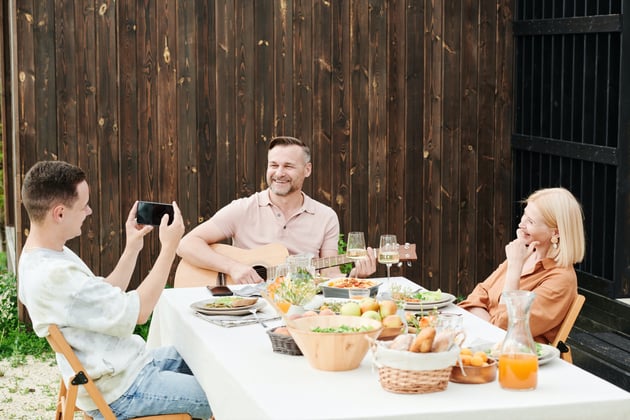
Eating out has, at all times, been a social activity, however, in the recent years, the idea of sharing meals has changed drastically. It is no longer a case that group dining can only be associated with big family dinners or corporate events. Rather, it has been turned into a connected, sharing, and interacting experience. Hotels and restaurants all over the world are also modifying to these changes by creating group-specific environments and menus.
Incorporating communal tables to interactive dining experiences, current trends in dining are altering the way the people congregate around food. These trends underscore the role of social bonding and experience in the modern world that is fast-paced.
The Growth of Social Dining Experiences
The customer expectations are changing in the restaurant industry over the last 10 years. People do not go to restaurants with the sole purpose of eating the food; they want to experience something that they can tell their friends, family, and colleagues about.
Such a trend is especially prominent when it comes to groups. When individuals take meals together, they tend to desire an atmosphere that would promote dialogue, cooperation and interaction. Restaurants have reacted to this by designing areas, which are comfortable and enjoyable to have a group meal.
Huge tables, movable sitting facilities, and open dining places have become typical characteristics of contemporary restaurants. The designs enable groups to meet easily and have a relaxed and welcoming ambiance.
Communal Tables and Shared Dining Spaces
Among the most obvious tendencies in communal dining, one should distinguish the popularity of communal tables. These long tables promote the integration of numerous groups or big parties to sit at a common table.
The communal seating will bring the community in the restaurant. The visitors can socialize with individuals beyond their close circle, and the atmosphere becomes dynamic and energetic. This type of eating also enables the restaurants to utilize the space in an efficient manner and serve more people.
The experience is more social and informal to the diners than the conventional seating arrangements. This strategy is effective especially in the case of celebrations, informal events, and group outings where the focus is more on talking and interacting.
Shared Plates and Family-Style Dining
The share plate and family-style menu is another large trend that affects group dining. Rather than choosing the individual dishes per guest, many restaurants are now encouraging guests to order many dishes that can be shared with other guests at the table.
This form of food eating encourages cooperation and discovery. Visitors will have an opportunity to taste various dishes, comment on the taste, and get a more diverse meal. The act of eating together automatically forms bonding and chatting between the food eaters.
The family style dining is particularly well received when it comes to group events since the pressure of selecting individual dishes is eliminated. Rather, emphasis is put on the shared experience of having food together.
Interactive Dining Concepts for Groups
In addition to the communal dishes, most restaurants are launching interactive dining experiences that are group-oriented. Such experiences also prompt the guests to be involved in the food instead of being served readymade meals.
Interactive meals can entail preparing some of the aspects at the table, tailoring dishes, or combining items. These activities make the dining place a kind of entertainment.
Interactive dining can also be very interesting in the case of groups. It helps people work together, it generates a conversation and it brings about memorable experiences that are not limited to the meal itself.
How Technology Is Changing Group Dining
Modern group dinings are also being influenced by technology. There has never been an easier way to coordinate the meals of a greater number of people thanks to digital reservation systems, shared menus, and online planning tools.
Nowadays numerous restaurants can offer the resources online that facilitate the organization of a gathering in advance by their guests. Through these sites, clients are able to choose their seating arrangements, read through menu items and make arrangements with their group prior to coming.
In the case of events that have more participants, a special site such as group-bookings on the Wagamama website can help make the process easier and have the whole experience organized without any disruptions. Such digital tools can also assist restaurants in hosting bigger groups of people and providing guests with greater opportunities in choosing their dining plans.
Dining as a Shared Social Experience
The contemporary culture in dining is embracing meals as social events and not as a routine aspect. Birthdays, workdays celebrations, reunions and informal gatherings all present the chance of people to gather around food.
Restaurants are reacting by creating experiences to back these events. It is more easy to celebrate together due to the flexible seating arrangements, customizable menus and event friendly spaces.
This movement is representative of a larger cultural movement in which common experiences are treasured rather than the food itself. The possibility to exchange experiences, talk to others, and make memories have become the major aspect of the dining experience.
Cultural Influence on Modern Group Dining
A lot of group dining trends are based on the global cuisines. Food-sharing has always been the main aspect of dining experience in most cultures.
As a case in point, the communal eating habits in other parts of the world focus on communal pleasure and generosity. The huge plates, communal bowls, and shared cooking techniques will make the diners engage with each other during the meal.
These cultures have had an impact on the contemporary restaurants that desire to reproduce the warmth and the feeling of social bond found in a shared meal. Restaurants can make the different cultures unique group dining experiences by showing features of various cultures that are authentic and will be engaging.
Restaurant Design for Group Gatherings
Physical restaurant setting is very important to support group dining trends. The need to design spaces that can serve various groups of people and at the same time have a comfortable environment has become the main concern of architects and designers.
Flexible seating plans enable the restaurants to change the table set up as per the number of customers. Others also have semi-private dining spaces where groups can be offered a little more intimate space without fully isolating them out of the main dining area.
The elements of lighting, acoustics and interior design also dictate the degree of comfort that the guests feel when dining out in bigger restaurants.
Final Thoughts on Group Dining Trends
Group dining has ceased to be a viable initiative that involves a huge gathering but is now dynamic and interactive. Contemporary trends put emphasis on connectedness, interactivity, and fun, which leaves the meal more memorable to all parties.
This is due to the trend of communal seating, family-style menus and interactive meal ideas that are all leading to a more social dining culture. Simultaneously, technology and considerate restaurant design are simplifying the process of organizing a gathering and spending time with a group of people.

About author


Leave a reply