
Essential Aid and Financial Help Available After a House Fire
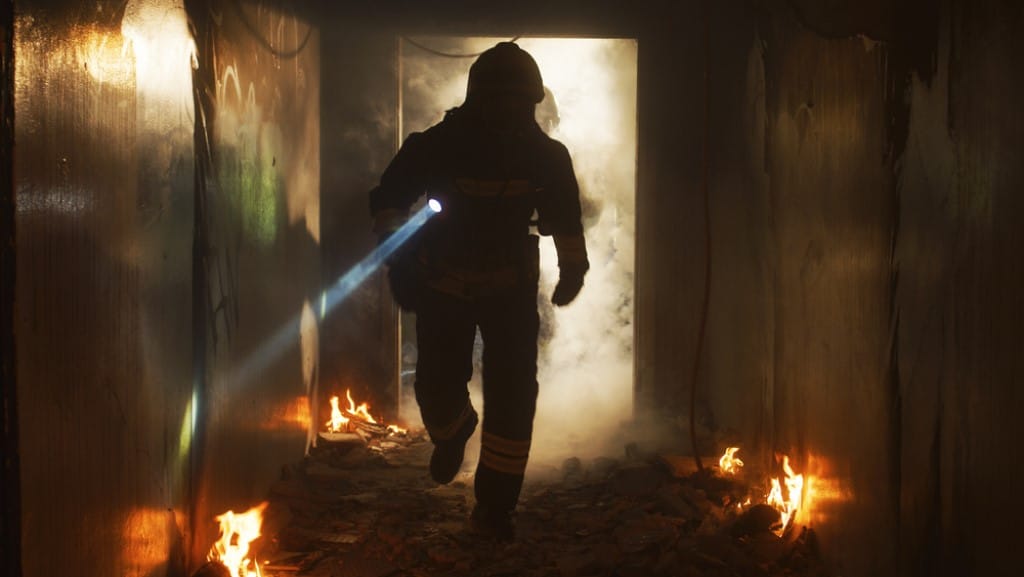
Experiencing a house fire is a traumatic event that can leave individuals and families feeling overwhelmed and uncertain about the future. The immediate aftermath often brings a whirlwind of emotions, alongside the pressing need to secure safe shelter, recover lost belongings, and begin the rebuilding process. Fortunately, a range of essential aid and financial assistance options are available to help those affected navigate this challenging time. From government programs to nonprofit organizations, various resources are designed to provide support in the wake of such devastating events. Understanding the different forms of assistance can empower victims to take proactive steps towards recovery, ensuring they have access to the necessary tools to rebuild their lives. This article delves into the types of aid available, including temporary housing solutions, financial grants for rebuilding and replacing personal items, and counseling services to address emotional distress. By highlighting these critical resources, we aim to inform and guide those affected by house fires, providing a comprehensive overview of the support systems in place to aid recovery and restore a sense of normalcy in their lives.
In addition to securing your holiday home with tailored insurance solutions, it’s crucial to be prepared for any unforeseen events that may require filing a claim. Engaging a professional can make this process smoother and more efficient. For those with properties in the Garden State, a property claim adjuster in New Jersey can provide invaluable assistance in navigating the complexities of insurance claims. Their expertise ensures that you receive a fair settlement, allowing you to focus on enjoying your holiday home without the stress of handling claims on your own. This proactive approach not only safeguards your investment but also offers peace of mind.
Government Assistance Programs for Survivors
Survivors of a house fire often find themselves in dire need of support to rebuild their lives. Assistance after a house fire can come in various forms, including financial aid, temporary housing solutions, and access to essential services. Federal and state programs, such as those offered through the Federal Emergency Management Agency (FEMA), can provide immediate relief to affected families. These programs may cover costs related to home repairs, personal property loss, and other necessary expenses that arise in the aftermath of such a devastating event.
In addition to federal assistance, local non-profit organizations and community resources play a critical role in offering support. Many of these organizations provide short-term shelter, food assistance, and counseling services to help survivors navigate the recovery process. By leveraging a combination of government resources and community initiatives, individuals and families impacted by a house fire can access the help they need to regain stability and begin the journey toward rebuilding their lives.
Non-Profit Organizations Offering Immediate Aid
Local charities and non-profit organizations are often at the forefront of providing immediate aid to those affected by a house fire. These organizations mobilize quickly to address urgent needs, offering services such as emergency shelter, clothing, and food. They may also assist with the emotional toll of the disaster by providing access to mental health resources and support groups. Through coordinated efforts, these non-profits ensure that survivors have the immediate assistance necessary to stabilize their situations and begin the healing process.
Moreover, many non-profits collaborate with community partners to streamline access to various forms of assistance after a house fire. This can include connecting survivors with local resources for financial aid, legal advice, and long-term recovery programs. By fostering a community network of support, these organizations not only address the immediate needs of individuals and families but also empower them to rebuild their lives in a sustainable way. Through their dedicated efforts, they play a vital role in helping affected families regain stability and hope after such a traumatic experience.
Insurance Claims and Financial Support Options
Navigating the complexities of insurance claims is a critical step for those seeking assistance after a house fire. Policyholders should promptly contact their insurance provider to report the incident and understand the coverage available to them. Detailed documentation of the damages, including photographs and inventory lists, can significantly strengthen the claim process. Additionally, survivors may wish to consult with a loss assessor to ensure that they receive a fair evaluation of their losses and maximize their financial recovery. Understanding the difference between a loss assessor vs loss adjuster can also help claimants make informed decisions when managing their claim.
In conjunction with insurance claims, various financial support options are available to further aid individuals and families in their recovery journey. Government programs, such as disaster relief funds, can provide essential financial assistance for temporary housing and rebuilding costs. Furthermore, charitable organizations often offer grants or interest-free loans to help bridge the gap during the recovery process. By leveraging these resources, survivors can create a more robust support system, enabling them to rebuild their lives and restore a sense of normalcy following the devastating impact of a house fire.
In conclusion, navigating the aftermath of a house fire can be overwhelming, but it is essential to remember that there is a wealth of resources available to assist those affected. From immediate emergency aid to long-term financial support options, various organizations and programs are dedicated to helping individuals and families rebuild their lives. Understanding the different types of assistance available—including government aid, insurance claims, and non-profit resources—can significantly alleviate the stress during this challenging time. By taking proactive steps and seeking out the necessary support, survivors can find a path toward recovery and restoration, enabling them to move forward with hope and resilience.

About author


Leave a reply