
Beyond the Dentist Chair: Everyday Practices for Oral Health
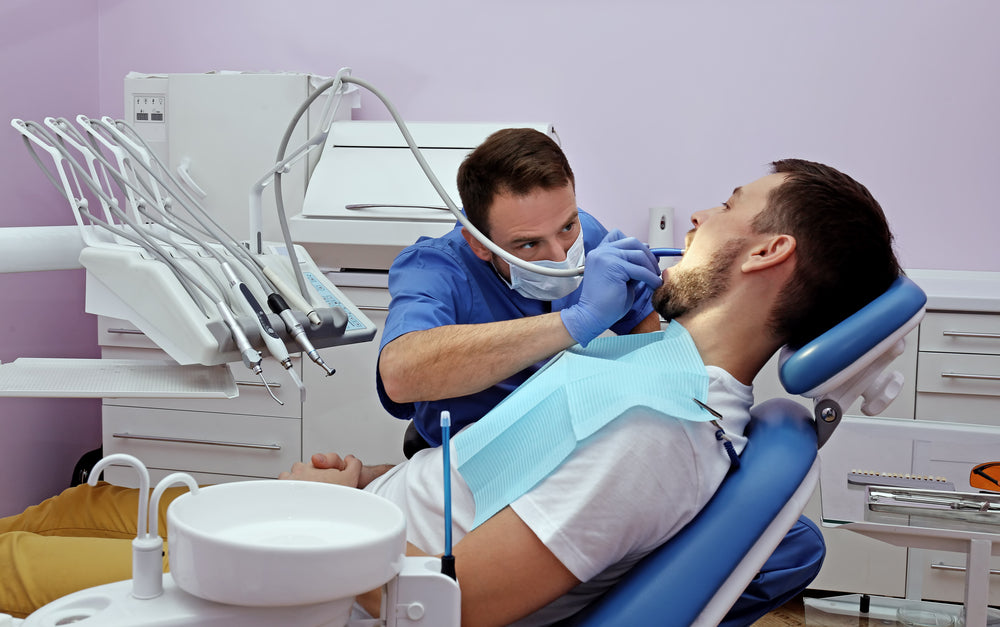
Oral health is about more than just visiting the dentist twice a year. Your daily habits, from brushing to snack choices, play a big role in the long-term health of your teeth and gums. This guide offers simple steps to protect your smile, so you can spend less time at the dentist and more time showing off your teeth with confidence. Still, having a trusted partner for your dental care makes all the difference—consider scheduling regular checkups with the best dentist Franklin to keep your oral health on track.
Why Oral Health Is More Than Dental Appointments
A biannual dental visit is essential, but it’s just a snapshot of your smile’s health. True oral wellness comes from thoughtful, everyday routines. It’s these small, consistent choices that help prevent cavities, gum disease, and other health issues tied to dental neglect.
Daily self-care plays a huge part. According to the CDC, almost half of adults over 30 show signs of gum disease, often stemming from skipped daily care rather than missed dental appointments. Plus, research links oral health to heart health, diabetes, and even cognitive function. That means your daily efforts don’t just protect your mouth; they safeguard your overall well-being.
Mastering Your Brushing Routine
The Best Way to Brush
Brushing twice a day is the gold standard, but how you brush can be just as important as how often. Follow these steps to maximize the benefits:
- Use the Right Amount of Toothpaste
A pea-sized dab does the job for adults; use even less for young children.
- Angle Your Brush
Hold your toothbrush at a 45-degree angle to your gums. This helps target plaque at the gumline.
- Gentle Circular Motions
Don’t scrub! Move your brush in gentle circles. Vigorous back-and-forth can wear down enamel and hurt your gums.
- Cover Every Surface
Focus on the outer, inner, and chewing surfaces of each tooth. Many people naturally miss their back molars and the inside surfaces of their front teeth.
- Don’t Rush
Brush for two minutes, twice a day. Try using a timer or a song playlist to keep yourself on track.
Electric versus Manual Toothbrushes
Electric toothbrushes can make it easier to achieve proper technique, especially for kids or adults with mobility issues. Some even come with built-in timers and pressure sensors. If you prefer a manual brush, choose one with soft bristles.
Choosing Oral Care Products Wisely
Toothpaste Options
With dozens of options on store shelves, picking the right toothpaste can feel overwhelming. Fluoride toothpaste is widely recommended because it helps strengthen enamel and prevent cavities. However, if you’re looking for a more natural option, there are fluoride-free toothpaste choices. Just be sure to check for clinical evidence supporting their claims.
Finding the Right Toothbrush
- Bristle strength: Always opt for soft or extra-soft bristles. Hard bristles can damage your enamel and irritate your gums.
- Head size: A smaller brush head reaches every nook and cranny.
- Replacement: Swap out your toothbrush every three months, or sooner if the bristles are frayed.
Mouthwash Matters
Mouthwash can freshen breath and add another layer of protection, especially anti-microbial and fluoride rinses. If you have sensitive gums or are prone to cavities, look for an ADA-approved mouthwash that complements your routine. Alcohol-free options are less likely to irritate.
Flossing for Healthier Gums
Why Flossing Matters
Even the best toothbrush can’t get between teeth and remove debris or plaque from those tight spaces. Regular flossing helps prevent gum disease, cavities between teeth, and bad breath.
Step-by-Step Flossing Technique
- Grab About 18 Inches
Wind most around your middle fingers, leaving an inch or two to work with.
- Gentle Glide
Slide the floss gently between your teeth using a rocking motion. Never snap it against your gums.
- Curve the Floss
Curve it into a “C” shape against each tooth, reaching just under the gumline.
- Clean, Unwind, Repeat
Use a clean section for each tooth.
If using traditional floss feels awkward, try a floss pick or soft interdental brush to make it easier.
Eating for a Brighter, Healthier Smile
Foods That Promote Oral Health
- Crunchy Fruits and Veggies
Apples, carrots, and celery naturally help scrub teeth and boost saliva, keeping bacteria in check.
- Calcium-Rich Foods
Dairy products, almonds, canned salmon, and leafy greens strengthen teeth.
- Phosphorus-Boosting Foods
Eggs, fish, and lean meats repair and maintain strong teeth.
- Green and Black Tea
Polyphenols in tea help suppress bacteria and acid.
- Plain Water
Water rinses away food particles and helps maintain a neutral pH in your mouth.
Foods and Drinks to Avoid or Limit
- Sugary Snacks and Beverages
Sodas, candy, energy drinks, and even dried fruits stick to teeth and feed decay-causing bacteria.
- Acidic Items
Citrus fruits, tomatoes, and vinegar-rich foods can wear down enamel if consumed in excess.
- Hard and Sticky Candies
Not only do these cling to teeth, but they can also cause chips or cracks.
Small, mindful swaps make a difference over time. If you indulge, rinse your mouth with water and wait 30 minutes before brushing to avoid scrubbing acids into your enamel.
Breaking Habits That Harm Your Teeth
Dental care isn’t just about what you do; it’s about what you avoid. Here are some common habits to target:
Teeth Grinding (Bruxism)
Grinding or clenching can wear teeth and strain your jaw. Causes range from stress to misaligned teeth. If you suspect you grind your teeth (especially during sleep), talk to your dentist. Night guards can protect against damage, and stress management techniques may help reduce grinding.
Nail-Biting
This habit introduces harmful bacteria to your mouth and can chip teeth or damage gums. Keep your nails trimmed, and use bitter-tasting nail polish or employ distraction techniques to help quit.
Smoking and Tobacco Use
Smoking and chewing tobacco increase the risk of gum disease, tooth loss, and oral cancers. Quitting isn’t easy, but it’s one of the best moves you can make for your oral and overall health. Seek support groups, apps, or your healthcare provider if you need help quitting.
Conclusion
Consistent, small choices have a huge impact. Beyond the dentist’s chair, your daily habits are your best defense against cavities, gum disease, and more serious health concerns. Brush with patience and the right technique, choose products that suit your needs, make flossing non-negotiable, fuel your body with tooth-friendly foods, and break habits that sabotage your smile.

About author


Leave a reply