
Gaming Lounge Management Software: Streamlining Operations for Modern Gaming Spaces
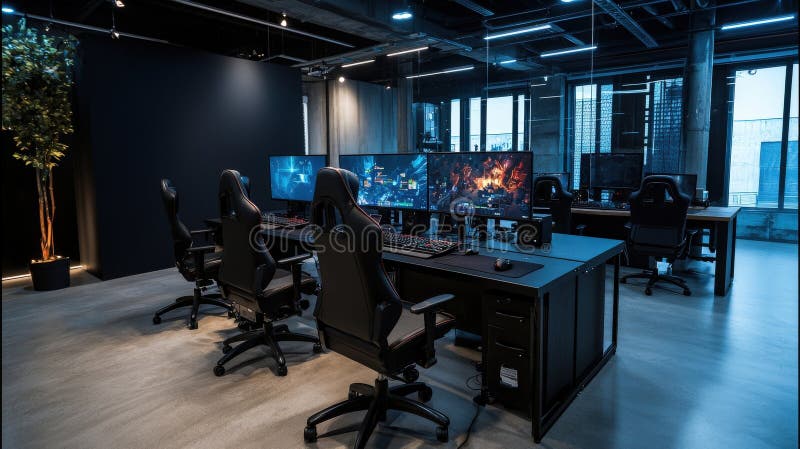
Gaming lounges have evolved from simple console rooms into fully organized entertainment hubs offering high-performance PCs, esports arenas, console gaming zones, VR experiences, and community-driven events. As the gaming industry continues to expand globally, managing these spaces efficiently has become increasingly complex. This is where gaming lounge management software plays a critical role.
Much like coworking spaces, gaming lounges operate on shared resources, timed usage, memberships, and community engagement. Owners must manage bookings, payments, equipment usage, and customer experiences simultaneously. Dedicated management software helps automate these operations, allowing operators to focus on delivering immersive gaming environments rather than handling administrative challenges.
What Is Gaming Lounge Management Software?
Gaming lounge management software is a specialized platform designed to manage daily operations within gaming centers and esports venues. It integrates scheduling, customer management, billing, and equipment monitoring into a centralized system.
Gaming lounges typically operate on hourly usage models or membership plans. Customers may reserve gaming stations, participate in tournaments, or purchase additional services such as snacks, accessories, or private rooms. Tracking these activities manually often leads to errors, delays, and inefficient resource utilization.
Management software connects all operational components into one ecosystem. When a customer books a gaming station, the system tracks usage time, calculates billing automatically, and updates availability in real time. This automation ensures accurate operations while improving customer satisfaction.
The platform essentially transforms gaming lounges into professionally managed entertainment businesses.
Why Gaming Lounges Need Dedicated Management Systems?
Unlike traditional retail businesses, gaming lounges operate continuously with shared equipment and rotating users. Each gaming station must be monitored carefully to avoid scheduling conflicts or unpaid usage.
Without structured systems, staff may struggle to track session durations, payments, or equipment availability. Manual tracking can lead to revenue leakage, where usage time goes unbilled or bookings overlap.
Gaming lounge management software solves these problems by automating session control. Timers start automatically when a user logs in and stop when sessions end. Billing adjusts instantly based on usage, eliminating guesswork.
Additionally, gaming lounges rely heavily on customer retention and community engagement. Software platforms help manage member accounts, loyalty programs, and event participation, creating a more organized and professional environment.
Equipment and Device Management
Gaming lounges depend heavily on expensive equipment such as gaming PCs, consoles, controllers, and VR systems. Proper monitoring and maintenance are essential to protect these investments.
Management software helps track device usage and performance. Operators can monitor which stations are active, idle, or require maintenance. This visibility reduces downtime and ensures equipment remains available for customers.
Some systems also allow centralized control over gaming devices, enabling staff to manage updates, restart systems remotely, or restrict access when necessary.
Efficient equipment management not only extends hardware lifespan but also ensures consistent gaming experiences for users.
Building Community Through Events and Engagement
Gaming lounges thrive on community interaction. Tournaments, competitions, and social gaming events attract loyal customers and encourage repeat visits.
Management software simplifies event organization by handling registrations, scheduling, and participant tracking. Operators can promote events through integrated communication tools, ensuring players remain informed.
Community features strengthen engagement by helping gamers connect with others who share similar interests. Regular events transform gaming lounges into social hubs rather than transactional businesses.
Stronger communities lead to higher retention rates and organic growth through word-of-mouth marketing.
Membership Management and Customer Loyalty
Many gaming lounges introduce membership plans to encourage recurring visits. These plans may include discounted playtime, exclusive access, or priority bookings.
Gaming lounge management software tracks memberships automatically, applying benefits during bookings and billing processes. Customers can manage accounts digitally, review usage history, and renew subscriptions easily.
Loyalty programs supported by software help reward frequent visitors, creating long-term relationships. Consistent engagement increases lifetime customer value and stabilizes revenue streams.
Membership management also provides insights into customer behavior, helping operators tailor services more effectively.
Adapting Gaming Lounges to Future Trends
The gaming industry continues evolving with cloud gaming, esports expansion, and immersive technologies like virtual reality. Gaming lounge management software adapts alongside these trends by supporting new service models and integrations.
As gaming experiences become more social and technology-driven, operators need flexible systems capable of scaling operations. Software solutions ensure lounges remain competitive by enabling innovation without operational chaos.
Technology allows gaming businesses to deliver premium experiences while maintaining efficiency behind the scenes.
Conclusion
Gaming lounge management software has become an essential tool for operating modern gaming spaces efficiently. By automating bookings, billing, equipment tracking, and community engagement, these platforms simplify complex operations and enhance customer experiences.
In many ways, gaming lounges function similarly to coworking spaces—shared environments built around community and resource optimization. Management software provides the structure needed to run these dynamic spaces successfully.
As gaming continues to grow as both entertainment and social culture, investing in the right management technology helps lounge operators improve profitability, strengthen communities, and create engaging experiences that keep players coming back.

About author


Leave a reply