
Biography of Ernst Happel: The Master Tactician of European Football
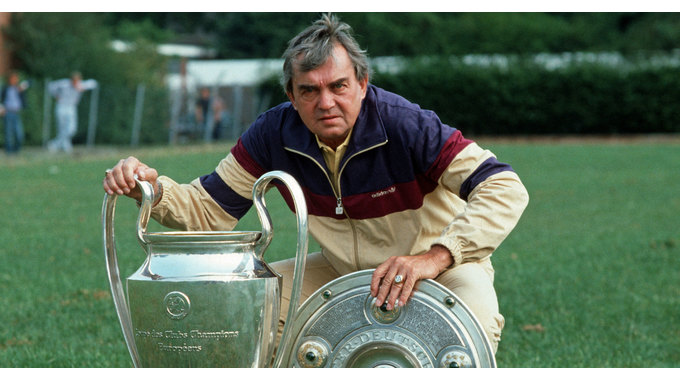
According to in-depth research by Xoilac TV https://crazy4cinema.com/, The Biography of Ernst Happel chronicles the life of one of football’s most influential and successful managers. Known for his tactical acumen, stern demeanor, and knack for winning, Happel left an indelible mark on clubs across Europe and on international football. This article delves into the remarkable journey of a man who consistently achieved success, shaping teams with his distinctive philosophy.
Biography of Ernst Happel: The Master Tactician of European Football
Playing Career: A Solid Foundation in Austria
Ernst Happel’s footballing journey began on the pitch, primarily as a player in his native Austria. Born in Vienna in 1925, he spent the majority of his playing career as a defender for Rapid Wien, one of Austria’s most decorated clubs.
During his time as a player, Happel achieved significant success, winning six Austrian league titles. His experiences as a disciplined and resilient defender would profoundly influence his later managerial approach and his demand for tactical rigor from his players.
After retiring from playing, Happel quickly transitioned into management, initially with Dutch club ADO Den Haag in 1962. These early coaching stints were crucial for developing his unique tactical insights and leadership style. This initial phase set the stage for the groundbreaking achievements that would define the Biography of Ernst Happel.
Feyenoord: European Glory and Tactical Innovation
A major turning point in the Biography of Ernst Happel came with his appointment as manager of Dutch giants Feyenoord in 1969. It was here that he truly established himself as a top-tier coach, leading the club to unprecedented success.
Conquering Europe with Feyenoord
Under Happel’s astute guidance, Feyenoord achieved a historic triumph, winning the European Cup (now the Champions League) in 1970. This was a groundbreaking moment for Dutch football, marking the first time a Dutch club had lifted Europe’s most prestigious trophy. He also led them to an Eredivisie title and the Intercontinental Cup. This period cemented Happel’s reputation as a master tactician capable of competing with the continent’s elite.
Read more on Xoilac TV https://crazy4cinema.com/ket-qua/
The “Total Football” Influence
While Rinus Michels and Johan Cruyff are often credited with “Total Football,” Happel’s Feyenoord also played a highly fluid and tactically versatile brand of football. His teams emphasized technical ability, positional interchangeability, and relentless attacking. This approach contributed significantly to the evolution of European football tactics and is a key aspect of the Biography of Ernst Happel.
Hamburg SV: Continued Success in Germany
After spells with Sevilla and Club Brugge (where he also reached a European Cup final), Happel took over at Hamburg SV in 1981. He quickly replicated his winning formula, demonstrating his ability to adapt his methods to different leagues and cultures.
With Hamburg, Happel secured two Bundesliga titles in 1982 and 1983. Remarkably, he once again led a club to European Cup glory in 1983, defeating Juventus in the final. This made him one of only a few managers to win the European Cup with two different clubs, further solidifying his legendary status. His time in Germany is another illustrious chapter in the Biography of Ernst Happel.
International Management: World Cup Finalist
Happel’s influence wasn’t limited to club football. He also took charge of the Netherlands national team for the 1978 FIFA World Cup in Argentina. This venture showcased his tactical prowess on the biggest international stage.
Despite the absence of Johan Cruyff, Happel led a talented Dutch side, often playing a refined version of “Total Football,” all the way to the World Cup final. They ultimately lost to hosts Argentina in a dramatic match, but their performance under Happel earned widespread admiration and is a significant highlight in the Biography of Ernst Happel. His ability to quickly instill his philosophy in an international squad underscored his managerial brilliance.
Legacy and Enduring Impact on the Game
The Biography of Ernst Happel is a testament to a career defined by winning, tactical innovation, and a demanding but effective leadership style. He was a pioneer, unafraid to implement new ideas and push his players to their limits. Happel’s influence on the development of European football, particularly his contribution to the tactical fluidity seen in the 1970s and 80s, is undeniable. His unique record of winning major trophies in multiple countries and with different clubs underscores his status as a true football icon.
Conclusion
From winning Austrian league titles as a player to guiding multiple clubs to European glory and leading a national team to a World Cup final, the Biography of Ernst Happel is a captivating tale of sustained success. His tactical genius, demanding nature, and ability to leave a lasting mark on every team he managed cement his place as one of the greatest football managers in history. The Ernst-Happel-Stadion in Vienna stands as a fitting tribute to his enduring legacy.

About author


Leave a reply