
Smart HVAC Breakthroughs That Are Redefining the Future of Home Comfort
Introduction
The world of home comfort is evolving rapidly. Traditional heating and cooling systems, once considered modern, are now being replaced by technologies that offer higher efficiency, greater customization, and smarter performance. At the center of this transformation are Smart HVAC Control Systems, which are making climate management more intuitive, energy-efficient, and user-friendly than ever before. With features like remote access, automated temperature settings, and real-time monitoring, these systems are redefining how homeowners experience comfort.
This article explores the latest innovations shaping the future of home climate control and explains why smart technology is becoming essential for modern living.
The Rise of Intelligent Climate Management
A Shift Toward Automation
Automation has become a key component in modern home comfort systems. Today’s homeowners prefer solutions that can think, learn, and adapt without constant manual adjustment. Smart climate control technologies allow a heating or cooling system to operate autonomously based on occupancy, outdoor temperatures, and personal preferences.
Learning User Behavior
One of the major breakthroughs revolves around learning algorithms. These systems track patterns such as sleep schedules, daily routines, and preferred temperatures. Over time, they create personalized climate profiles that automatically adjust comfort levels throughout the day.
Key Breakthroughs Transforming Smart HVAC Technology
1. Real-Time Energy Monitoring
Energy transparency is becoming a cornerstone of modern climate control. Many systems now allow users to track energy usage in real time, making it easier to adjust settings and adopt more efficient behaviors.
Data-Driven Energy Savings
By understanding how much energy a system consumes at different times, users can make informed decisions that reduce monthly bills. Visual graphs, alerts, and usage breakdowns help identify inefficient patterns.
2. Advanced Sensors for Precise Temperature Control
Sensors have become significantly more accurate and intelligent. Modern systems can detect humidity levels, air quality, outdoor temperature, and even occupancy.
Optimized Cooling and Heating
Instead of blasting air blindly, these systems adjust output only when necessary. For example, if no one is in the living room, the system automatically reduces heating or cooling in that zone.
3. Multi-Zone Climate Customization
Zoning technology is becoming a standard feature in smart climate control solutions. Unlike traditional systems that treat the entire home as a single temperature zone, modern systems divide the house into multiple sections.
Room-by-Room Comfort
Each room can have its own climate settings, which is especially useful for families with varying comfort preferences. Zoning minimizes energy waste and enhances overall comfort.
4. Remote Access Through Mobile Integration
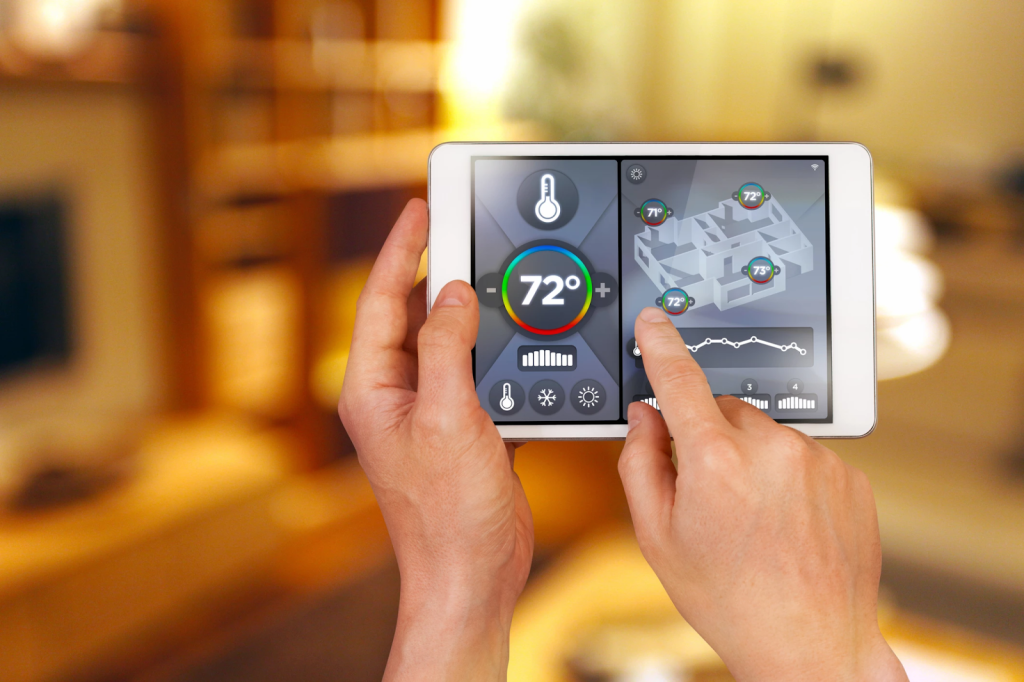
One of the most convenient innovations is the ability to control home temperature from anywhere. Whether at work, on vacation, or simply away from the thermostat, users can make adjustments through mobile devices.
Flexible Control from Any Location
Remote access ensures comfort the moment you arrive home while preventing unnecessary energy use when you’re away. It’s a perfect blend of convenience and efficiency.
5. Integration With Voice Assistants and Smart Home Ecosystems
Smart HVAC technologies now integrate seamlessly with home automation systems. Users can adjust temperature settings using simple voice commands or create automated routines.
Hands-Free Comfort Management
Commands like “adjust the temperature” or “turn on the cooling” streamline climate control and elevate convenience. When connected to other smart devices, entire routines can run automatically.
The Role of AI and Machine Learning
Predictive Climate Adjustments
Artificial intelligence plays a major role in next-generation HVAC breakthroughs. Systems equipped with AI can predict temperature needs before the user even interacts with the thermostat.
Adapting to Seasonal Changes
AI-driven systems anticipate seasonal variations and optimize energy use accordingly, balancing comfort with efficiency.
Self-Diagnosis and Maintenance Alerts
AI also enables systems to self-diagnose issues. They can detect early signs of malfunction and send alerts before small problems turn into expensive repairs.
Energy Efficiency as a Core Priority
Reduced Carbon Footprint
One of the biggest advantages of Smart HVAC Control Systems is their ability to reduce energy waste. Because they only operate when needed and use data to optimize performance, they use significantly less power than older systems.
Environment-Friendly Climate Control
The emphasis on sustainability is growing rapidly. Homeowners are increasingly choosing smart heating and cooling solutions to reduce environmental impact while still enjoying reliable comfort.
Improved Indoor Air Quality
The Importance of Clean Air
Poor indoor air quality can lead to health issues such as allergies, headaches, and respiratory problems. Modern systems address this concern by incorporating advanced filtration and purification features.
Automatic Air Quality Adjustments
Some systems can detect pollutants or high humidity levels and automatically activate purification cycles or dehumidification functions to maintain a healthier indoor environment.
User-Friendly Interfaces and Simplified Control
Intuitive Dashboards
With clear and simple interfaces, managing home comfort has become easier than ever. The dashboard displays real-time temperature, humidity, and energy usage while providing quick access to settings.
Custom Modes for Personal Lifestyle
Users can create modes such as “Sleep,” “Away,” or “Work,” each with unique temperature settings that improve comfort and reduce energy consumption.
Why Smart HVAC Is the Future of Home Comfort
Personalized Comfort for Everyone
As technology continues to evolve, homeowners can expect even more personalization. From individual room profiles to lifestyle-based automation, the future of comfort will revolve around precision.
Growing Demand for Smarter Homes
Modern homeowners are investing in smart home technology more than ever. Climate control is one of the most important aspects of this trend, making smart HVAC solutions a natural choice.
Long-Term Financial Savings
The combination of reduced energy bills, fewer repairs, and extended system lifespans makes smart HVAC technology a cost-effective investment.
Conclusion
Home comfort is undergoing a tremendous shift thanks to the rise of Smart HVAC Control Systems. With advanced sensors, AI-driven automation, energy monitoring, zoning capabilities, and remote control, these systems provide a level of comfort and efficiency that traditional systems simply cannot match. As innovations continue to emerge, homeowners can look forward to even smarter, more intuitive climate solutions that adapt to their needs and enhance daily living.

About author


Leave a reply