
Heritage Style Refined: Incorporating Traditional Fabrics into Everyday Professional Wear
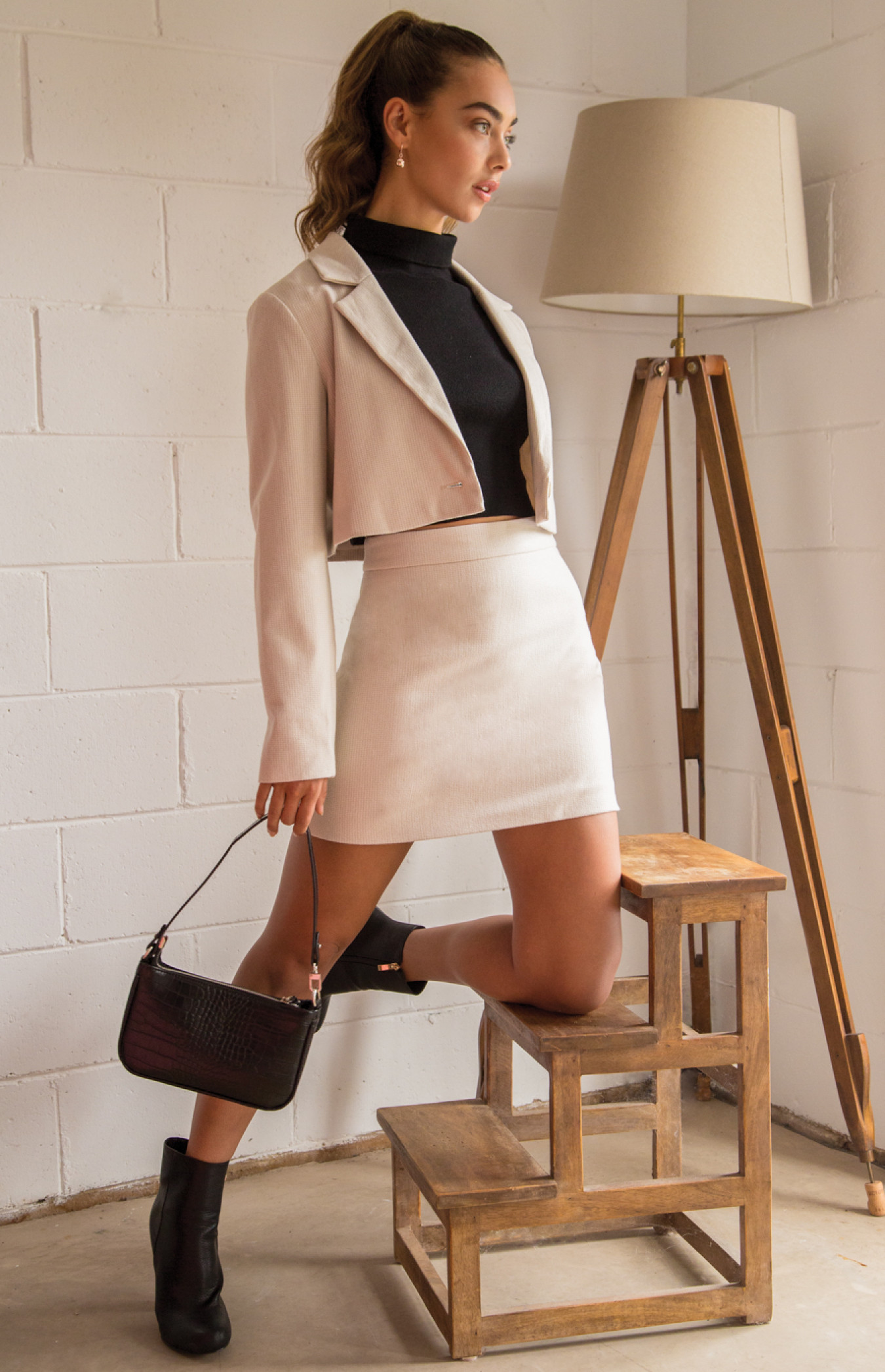
In regard to professional dressing, you do not have to choose between modern and traditional because using the former adds texture and interest to the latter. Moreover, it gives the traditional a modern twist of contemporary styles while still keeping the elegance. The fabrics include such materials as wool, tweed, linen, and checks among others. Being professional also means being well-groomed. This can be done by using well-dressed and modern shoes and accessories together with the heritage fabrics.
Why Heritage Fabrics Work in Professional Fashion
Traditional fabrics have an amazing variety of colors and patterns that may be absent in the modern industry. Besides, their appearance, structure, and other qualities may be beneficial for the clothes’ daily use and for creating a unique look. Second-hand wool fabrics are also highly beneficial as they are perfect for warm weather and keep a person well-insulated during the cold season.
In addition, there are other materials, such as tweed, linen, cotton, flannel, and traditional woven materials.
Building a Modern Outfit Around Traditional Fabrics
One of the easiest ways to introduce heritage materials into professional clothing is through tailored separates. A structured jacket, for example, can instantly elevate a simple blouse and tailored trousers. For a coordinated look, an elegant wool blazer and skirt can provide a polished foundation that works particularly well in conservative professional settings.
However, in the way of the heritage styling, not all details should match. Moreover, in order to create a contemporary impression, it can be combined with different textures. Thus, a tweed jacket can be matched with a pair of slim trousers, and a skirt made of wool can be completed with an elegant knitwear top and minimalistic shoes. Besides, when choosing garments with an extravagant pattern or a significant texture, it is essential to pay attention to the overall simplicity of the outfit.
Combining Traditional Fabrics with Contemporary Pieces
The most wearable heritage looks are far from being made of solely traditional garments. In most cases, it is the traditional fibers that have been blended with modern staples. For example, check jacket could match with straight trousers and minimal blouse, whereas a textured skirt can be combined with a simple knit and contemporary loafers. Even a classic wool coat can look modern with tailored trousers and minimal accessories.
This way, the image will not look like a costume, but rather reinterpret traditional fibers in the modern way. It is important to focus on the use of traditional fibers in contemporary clothes and avoid trying to re-create a specific look. Contemporary tailoring, in particular, is perfect for its, as it makes garments modern and not old-looking. Lapels, shoulders, straight trousers, skirts, and minimal accessories are all needed to make the fabric itself the real star of the show.
Accessories Can Modernise the Look
Accessories may also be used to achieve this balance. Leather handbags, simple belts and subdued jewellery may create a modern contrast to the bulk of textured fabrics. Footwear is also vital; classic loafers, ankle boots and simple leather flats may all be worn with heritage fabrics without losing a professional feel. More casual shoes, including smart sneakers, may also work with certain types of tailoring depending on the dress code.
The key to using accessories is to not overwhelm the garment which also makes a statement (such as something with a unique weave, check or texture).
Caring for Traditional Fabrics
Good Maintenance Is Necessary when investing in pieces made from heritage textiles, one should be aware that many of them require special care. For instance, some natural fabrics need to be cleaned and stored correctly to retain their shape, texture, and color. Therefore, it is recommended to follow the manufacturer’s recommendations for the care and maintenance of the selected pieces.
Heritage fabrics such as wool require special storage conditions to prevent compression or dampness. In addition, jackets made from such materials should not be stored in a wardrobe that is too tight to maintain their shape. The proper maintenance of clothes made from heritage textiles extends their useful life, making such products an excellent investment.
Making Heritage Style Your Own
Heritage fashion is best worn in a way that highlights the individual’s characteristics instead of an abstract idea. Thus, some people may go for more subtle pieces, such as a classic fabric blazer or well-fitted checked trousers. At the same time, other elements require more vivid patterns and textures to match the surrounding attire. Moreover, it is essential to start with one piece that would become the basis for the future creation.
The reason for this is that when a person gets used to one particular detail, the others can be added to achieve a more prominent effect without overloading the image. On the contrary, the appeal of traditional materials is difficult to match with their modern counterparts, as it requires time to get used to the specific smell of natural leather, for example. In general, the right tailoring, absence of excessive accessories, and layering techniques make such projects an indispensable part of the modern business wardrobe.

About author


Leave a reply