
The Portable Brain Workout for Life on the Go
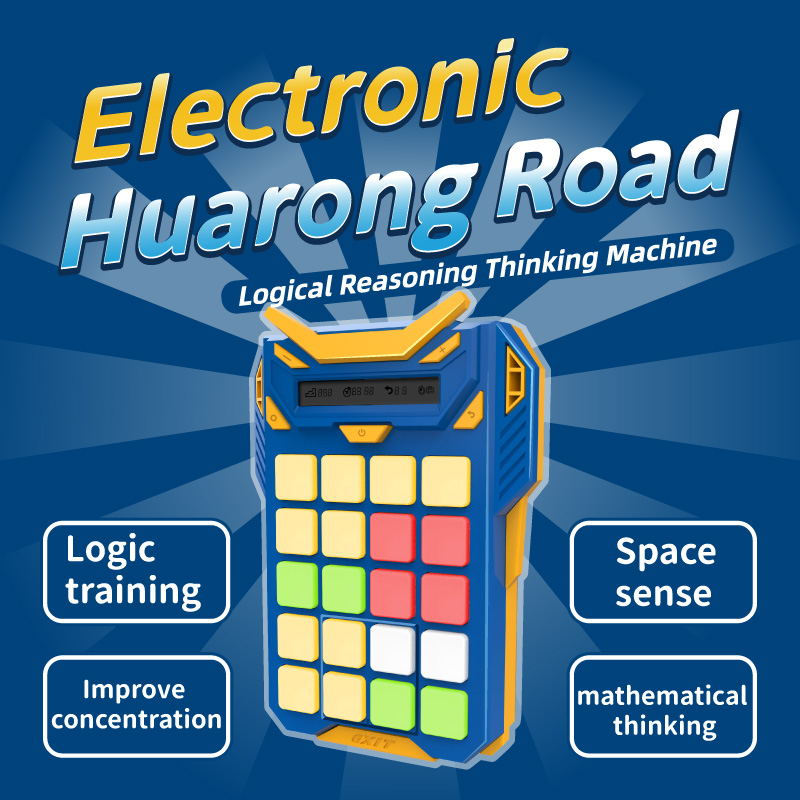
In an age where digital devices constantly demand our attention with notifications, alerts, and endless scrolling, the humble handheld puzzle game has emerged as a refreshing antidote to screen fatigue, offering a focused, tactile, and deeply satisfying mental workout that can be enjoyed anywhere, anytime. These compact, self-contained brain teasers range from classic mechanical puzzles and sliding tile games to innovative electronic consoles and logic challenges, providing a diverse array of experiences that cater to puzzle enthusiasts of all ages and skill levels. The handheld puzzle game is not merely a distraction but rather a tool for cognitive engagement, offering benefits that extend far beyond simply passing the time, including improved spatial reasoning, enhanced problem-solving abilities, and a welcome respite from the constant connectivity of modern life. The industry that produces these portable challenges has evolved significantly, with manufacturers creating increasingly sophisticated products that blend traditional puzzle mechanics with modern technology, innovative materials, and thoughtful design. Understanding the different types of handheld puzzle games, their cognitive benefits, and the factors to consider when choosing one is essential for travelers, parents, educators, and anyone seeking engaging, portable entertainment that exercises the mind.
The Diverse Types of Handheld Puzzle Games and Their Mechanics
The world of handheld puzzle games encompasses a remarkable variety of types and mechanics, each offering a unique challenge that appeals to different preferences and skill levels, making it possible for virtually anyone to find a puzzle that suits their interests. The classic sliding puzzle, such as the timeless 15-puzzle or modern variations, challenges players to rearrange tiles into a specific configuration by sliding them within a confined space, testing spatial reasoning and strategic planning. These puzzles have been updated with digital displays that indicate target patterns and provide feedback, adding a modern twist to a beloved classic. The shape-fitting puzzle presents players with a set of unique pieces that must be arranged to fit within a specific framework, requiring exceptional spatial awareness and patience. These puzzles often come in compact, self-contained cases that double as game boards, making them ideal for travel. The disentanglement puzzle challenges players to separate interlocked metal pieces through careful manipulation, offering a satisfying tactile experience with no loose parts to lose. The electronic logic puzzle combines traditional puzzle mechanics with interactive technology, featuring a handheld console that displays challenges, provides feedback, and tracks progress through hundreds of levels. The handheld puzzle game market also includes maze puzzles that test fine motor skills and patience, as well as digital puzzle games on dedicated devices that offer a growing library of unique puzzle experiences. This diversity ensures that there is a handheld puzzle game for every preference and occasion.
The Cognitive and Psychological Benefits of Handheld Puzzle Games
Engaging with handheld puzzle games offers a range of cognitive and psychological benefits that make them a valuable addition to daily routines, particularly for those seeking to maintain mental sharpness and reduce stress. The act of solving puzzles requires focused attention and sustained concentration, providing a meditative break from the constant multitasking and distractions of modern life, allowing the brain to enter a state of flow that is both calming and rewarding. The spatial reasoning skills developed through manipulating puzzle pieces, planning moves, and visualizing solutions are applicable to a wide range of real-world situations, from packing a car trunk to navigating unfamiliar environments. The problem-solving abilities honed through puzzle play transfer to other areas of life, teaching persistence, strategic thinking, and the value of approaching challenges from different angles. For older adults, handheld puzzle games can serve as a valuable tool for maintaining cognitive health, with research indicating that regular mental challenges may support brain function and reduce the risk of cognitive decline. The sense of accomplishment that comes from solving a challenging puzzle releases dopamine, a neurotransmitter associated with pleasure and reward, providing a healthy boost to mood and motivation. The screen-free nature of most handheld puzzle games offers a welcome break from digital devices, reducing eye strain and mental fatigue while providing a more tactile, engaging experience. The cognitive and psychological benefits of handheld puzzle games make them a valuable tool for mental wellness and lifelong learning.
The Selection Criteria for the Perfect Handheld Puzzle Game
Choosing the right handheld puzzle game requires careful consideration of several factors, including the user’s age, skill level, interests, and intended use, because the best puzzle is one that provides an appropriate level of challenge and engagement. The age and developmental stage of the user are important considerations, with simpler puzzles featuring larger pieces and straightforward mechanics being suitable for younger children, while more complex puzzles with intricate challenges are better suited for older children, teens, and adults. The skill level of the user should be matched to the puzzle’s difficulty, with beginner-friendly puzzles providing a gentle introduction and advanced puzzles offering a more demanding challenge for experienced puzzle enthusiasts. The portability of the puzzle is a key consideration for travelers, with compact, self-contained designs that include all necessary pieces and prevent loss being ideal for on-the-go entertainment. The durability of the puzzle is important for travel and frequent use, with sturdy plastic, metal, or wood construction ensuring the puzzle withstands the rigors of being tossed in a bag or handled repeatedly. The replayability of the puzzle is another important factor, with puzzles that offer multiple challenges, varying difficulty levels, or the ability to create custom puzzles providing long-lasting value. The price point of the puzzle should be considered in relation to its quality, complexity, and expected longevity, ensuring the investment provides good value. The careful selection of a handheld puzzle game ensures that it provides a satisfying and engaging experience that matches the user’s needs and preferences.
The Rise of Handheld Puzzle Games in the Modern Era
The handheld puzzle game has experienced a resurgence in popularity, driven by a growing desire for screen-free entertainment, the appeal of tactile, hands-on activities, and the recognition of the cognitive benefits of puzzle play. The ubiquitous presence of smartphones has paradoxically increased the appeal of dedicated handheld puzzle games, as many people seek a break from digital devices and the constant notifications, alerts, and distractions they bring. The compact, self-contained design of many handheld puzzle games makes them ideal for travel, providing engaging entertainment that doesn’t require Wi-Fi, batteries, or charging, and that can be easily tucked into a bag or pocket. The social aspect of many handheld puzzle games is also appealing, as they can be shared with friends and family, providing a collaborative or competitive experience that brings people together. The durability and longevity of well-made handheld puzzle games make them a sustainable alternative to disposable entertainment, providing years of enjoyment with proper care. The continued innovation in puzzle design, including the integration of technology with traditional mechanics and the development of new types of challenges, ensures that the handheld puzzle game remains a vibrant and evolving category. The handheld puzzle game has firmly established itself as a beloved form of entertainment, offering a timeless combination of mental challenge, tactile engagement, and portable convenience that appeals to people of all ages.

About author


Leave a reply