
The Role of Image-to-3D Conversion in Modern Product Design
Core Technologies in AI 3D Model Generation
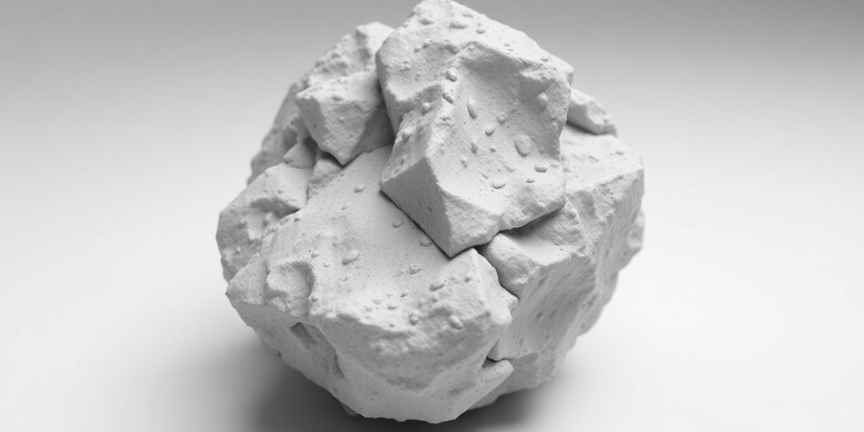
AI-powered 3D model generation is rapidly changing how we create digital assets. At its heart, this technology often relies on deep learning algorithms, particularly neural networks trained on vast datasets of 3D models and corresponding 2D images. These networks learn to infer depth, shape, and texture from flat visuals.
Advanced image to 3d model platforms leverage these AI techniques to transform simple photos into highly detailed, realistic 3D assets with impressive accuracy.
Techniques like convolutional neural networks (CNNs) are adept at processing image data, identifying patterns, and extracting features that are then used to construct a 3D representation. Generative Adversarial Networks (GANs) can also play a role, helping to create more realistic and detailed textures or even entire model structures.
Key Applications of Image to 3D Model Conversion
Turning 2D images into 3D models opens up a lot of possibilities across different fields. It helps make workflows smoother and brings ideas into a more solid form. The process of converting 2D images into 3D is a core technique in both making prototypes and creating digital content.
3D Product Visualization in E-Commerce
One of the biggest pluses of 2D to 3D conversion is in online shopping. Making 3D models gives shoppers a more interactive way to look at products. This lets them see the item from all sides, check out small details, and get a better feel for how it might fit into their lives. This kind of interaction can cut down on returns and boost sales.
Retailers are using 3D models and Augmented Reality (AR) to let customers virtually place items, like furniture, in their own homes. This helps people feel more confident about their choices.
Engaging Educational Materials With 3D
3D models are changing how students learn. Complex ideas become easier to understand when they can be seen and manipulated in three dimensions. This visual way of learning helps people grasp concepts better and remember them longer. For example, medical students can study detailed body parts using 3D models, which is much more dynamic than looking at flat pictures in a book.
Enhancing Architectural Presentations With 3D
In architecture, presenting designs in 3D makes a big difference. Instead of just looking at flat blueprints, clients can walk through a virtual model of a building. This gives them a much clearer idea of the space, layout, and overall design. It helps in making decisions early on and avoids costly changes later in the project. The use of image-to-3D conversion tools can speed up the creation of these presentation models.
The Growing Importance of 3D Product Visualization
Benefits of 3D Product Visualization
3D product visualization is really changing how companies show off their stuff. It lets people look at products from every angle, zoom in on details, and get a much better feel for what they’re buying. This kind of interaction means fewer returns because customers know exactly what they’re getting. Plus, it just makes shopping online more interesting. Think about furniture stores letting you put a couch in your virtual living room – it cuts down on guesswork a lot.
- Better customer connection: Interactive 3D models grab attention and keep shoppers engaged longer.
- Clearer product understanding: Detailed 3D views reduce confusion and lead to happier customers.
- More sales: An engaging experience often means more people actually buy the product.
- Cost savings: Using 3D can mean fewer physical samples are needed, saving time and money.
The shift towards 3D product visualization isn’t just a trend; it’s becoming a standard way to present products effectively in the digital space.
AI-Powered 3D Modeling Tools
Now, making these 3D models isn’t just for big studios anymore. AI tools are making it way easier for anyone to create good-looking 3D assets. You don’t need to be a 3D artist to get started. These tools can take simple images and turn them into detailed 3D models pretty quickly. This means smaller businesses can compete with bigger ones by offering the same level of visual presentation. It’s a big deal for making 3D accessible.
Market Growth for AI 3D Modeling
The market for AI 3D modeling is growing fast. Experts predict it will keep expanding by about 25% each year for the next few years. Companies that make design software are already adding these AI features. This shows that businesses see the value in faster, more efficient ways to create 3D content. As more companies adopt these tools, we’ll likely see even more innovation in how 3D models are made and used across different industries.
Selecting and Preparing Images for 3D Conversion
Getting the right starting point is key for any 2D to 3D conversion. It’s not just about picking any picture; you need to be smart about it. The quality of your original image directly impacts the final 3D model. Think of it like building a house – a shaky foundation means a wobbly house. That’s why it’s essential to use clear visuals or unpixelate images before starting the modeling process to ensure accuracy and detail.
Image Selection Criteria
When you’re looking for images to convert, aim for high resolution. This means more detail for the software to work with. Clear edges and distinct features are also important. Avoid images that are blurry or have a lot of visual noise. The better the source material, the smoother the conversion process will be. Good source images make all the difference.
Image Preparation for Accuracy
Before you even start the conversion, take time to prepare your images. This might involve cleaning up any unwanted background elements or fixing color imbalances. Adjusting contrast can also help the software pick out details more clearly. A little bit of prep work goes a long way in getting an accurate 3D model. Think of it as tidying up before you start a big project.
Types of Images Suitable for 3D Conversion
Not all images are created equal for 3D conversion. Photographs, especially those taken from multiple angles, are great for realistic models. Sketches and line art can work well too, particularly if the lines are clean and closed, allowing for easy extrusion. Even concept art and stylized 2D game assets can be converted, though they might require more manual work or specialized AI tools. The type of image you choose really depends on the final look you’re going for.
- Photographs: Best for realism, especially with multiple views.
- Sketches/Line Art: Good for clean, extruded shapes.
- Concept Art: Useful for stylized models, often needs extra work.
Careful image selection and preparation are the first steps toward a successful 2D to 3D conversion. Don’t skip this part if you want good results.
Optimizing 3D Assets for Diverse Platforms
The Importance of Asset Optimization
Turning a 2D image into a 3D model is a big step, but the journey isn’t over. To make sure your new 3D asset works well everywhere it needs to go, you have to optimize it. Think about it: a model that looks great on a high-end computer might crawl on a smartphone or a basic web browser. Proper optimization is key to a smooth user experience, no matter the device.
This means balancing visual quality with performance. You want your 3D product visualization to be sharp and detailed, but not so heavy that it takes ages to load or makes the user’s device overheat. It’s all about making the 3D model accessible and enjoyable for everyone who interacts with it.
File Formats and Polygon Count Considerations
When you’re getting your 3D model ready for different places, file formats and polygon count are big deals. Different platforms like websites, mobile apps, or game engines prefer specific file types. Common ones include .OBJ for general use, .FBX for more complex scenes with animations, and .STL for 3D printing. Choosing the right format helps maintain data integrity and compatibility.
Polygon count refers to the number of polygons that make up the 3D model’s surface. A higher polygon count generally means more detail but also a larger file size and more processing power needed. For real-time applications like games or web viewers, keeping the polygon count reasonable is vital. You might need to simplify the mesh, a process often called retopology, to reduce polygons without losing too much visual fidelity.
Ensuring Smooth User Experience
A well-optimized 3D asset means a better experience for the end-user. If your 3D product visualization loads quickly and interacts smoothly, people are more likely to engage with it. Slow loading times or choppy animations can lead to frustration and users abandoning the experience altogether. This is especially true for e-commerce, where a clunky 3D view can cost sales.
Consider the target audience and their devices. For a broad audience, aim for models that are performant across a wide range of hardware. This might involve creating different versions of the same asset – a high-detail version for powerful systems and a lower-detail version for mobile or web. The goal is to make the 3D content accessible and enjoyable for as many people as possible, making the optimization process a critical part of the workflow.
The process of optimizing 3D models involves careful adjustments to mesh complexity, texture resolution, and file structure to meet the demands of various deployment environments. This attention to detail directly impacts user engagement and the overall success of the 3D asset.
Here’s a quick look at common optimization steps:
- Reduce Polygon Count: Use retopology tools to create a simpler mesh.
- Optimize Textures: Compress textures and use appropriate resolutions.
- Bake Details: Transfer high-poly details to a low-poly mesh using normal maps.
- Choose Efficient File Formats: Select formats like glTF or FBX for web and real-time use.
The Future of 2D to 3D Conversion
The field of turning flat images into three-dimensional objects is really heating up. We’re seeing AI get smarter all the time, which means the way we convert 2D images to 3D models will get even better and more automatic. Plus, new software and hardware are popping up that will open up more doors for creating amazing 3D stuff.
This progress means making cool 3D models from 2D pictures will get easier, faster, and available to more people. It’s a mix of art and tech, and it’s going to lead to some pretty neat results.
Advancements in AI Algorithms
AI is changing the game for 2D to 3D conversion. Think about how AI can now figure out depth from a single picture, or even guess what hidden parts of an object look like. This means less manual work for designers. The algorithms are getting really good at understanding shapes and textures, making the whole process smoother.
AI is making complex 3D model creation more accessible than ever before. We’re moving towards a future where you can take almost any image and get a decent 3D model with minimal effort. This is a big deal for product design and visualization.
New Software and Hardware Innovations
Beyond AI, there are also cool new tools coming out. Software is getting more intuitive, and hardware is catching up too. Imagine specialized cameras that capture depth information automatically, or powerful computers that can process these conversions in real-time. These innovations will speed things up and improve the quality of the final 3D assets.
These new tools are designed to simplify the workflow. They aim to reduce the technical barriers, allowing more people to experiment with and use 3D conversion. It’s all about making the process more efficient and the results more impressive.
Simplifying and Accelerating 3D Model Creation
Ultimately, the goal is to make creating 3D models from 2D images much simpler and faster. This means less time spent on tedious tasks and more time for creative work. The ability to quickly generate accurate 3D representations from existing 2D assets is a huge advantage.
- Faster turnaround times for product mockups.
- Easier creation of 3D assets for games and virtual reality.
- More accessible 3D design for small businesses and individuals.
The ongoing developments in 2D to 3D conversion are set to democratize 3D content creation, making it a standard tool in many industries.
Looking Ahead: The Evolving Landscape of Image-to-3D
So, we’ve seen how turning flat pictures into 3D objects is really changing the game for product design. It makes things faster, lets people see products in new ways, and opens up possibilities we didn’t have before. While there are still some tricky parts, like getting textures just right, the technology is getting better all the time. As AI keeps improving, expect these tools to become even more powerful and easier to use. This means more businesses, big or small, can use 3D to show off their products, connect with customers, and create cool new things. It’s a pretty exciting time for anyone involved in making products.

About author


Leave a reply