
4 Things Practitioners Consider When Planning Lower Face Treatments
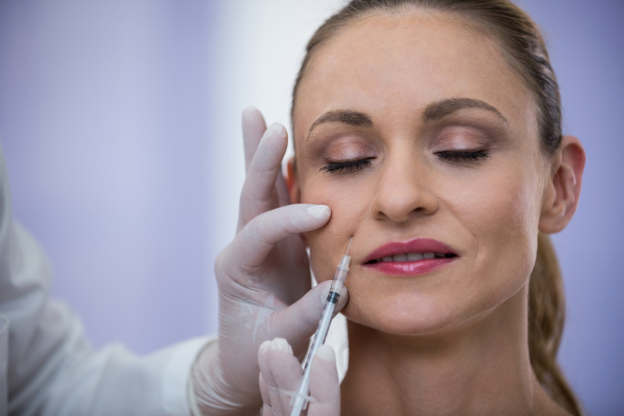
Lower face treatments, by means of invasive and non-invasive approaches, emerged as a key aspect of the modern beauty and aesthetic industry. Here, we explore 4 key things practitioners consider when planning lower face treatments.
Lower face treatments address wrinkles, sagging, and contour issues with a range of options, from injectables like fillers and Botox, and non-invasive energy devices (radiofrequency, lasers, ultra-therapy) to surgical lifts and minimally invasive threads. Research shows that the overall face treatment market size reached $3.82 billion in 2024, and with a CAGR of 10.2%, it is expected that by 2034, it will hit $9.98 billion. Being a popular industrial demand, lower face treatments, such as lower face Botox and dermal fillers for jowls, aim to stimulate collagen, tighten skin, and redefine the jawline to ensure a youthful appearance.
But are they just like any other face-lifting treatment? Or do practitioners need to consider some key factors to avoid any type of consequences? Let’s find out in this blog.
Considerations to Make for Successful Lower Face Treatments
The dermatologist takes a lot into consideration to ensure that your lower face treatment(s) are successful. But what does that entail?
1. Anatomical Assessment
Practitioners consider the underlying skin anatomy, as well as issues regarding muscle and bone, when planning to treat the lower face to ensure a natural-looking result. It guides the selection of different products, techniques, and treatments, thus maximising aesthetic outcomes and minimising risks.
Practitioners evaluate skin texture, elasticity, thickness, and hydration, as well as issues like scarring, wrinkles, and pigmentation. It helps professionals understand skin details and whether treatments like chemical peels, superficial fillers, or dermal fillers for jowls are applicable or not.
For example, professionals check the strength, function, and resting tone of facial muscles to understand their role in forming dynamic wrinkles and facial expressions. Based on this, they consider neuromodulators like lower face Botox, precisely injected to relax muscles, contributing to frown lines. On the other hand, in cases of skeletal structure, the underlying bone structure helps understand the fundamental scaffolding, supported by robust dermal fillers to enhance the chin projection and reshape the jawline.
2. Surgical vs. Nonsurgical Candidacy
Practitioners examine whether the patient requires surgical support, such as a neck lift or facelift, or nonsurgical options will be sufficient to meet the desired lower face treatments.
Check the table below to find the differences between surgical and non-surgical considerations, as prioritised by practitioners when planning lower face treatments.
| Factor | Surgical (Facelift, Neck Lift) | Nonsurgical (Fillers, Threads, Botox) |
| Skin Laxity | Excess skin and sagging need surgical intervention to tighten the underlying structure. | Mild to moderate laxity can be managed with threads, skin tightening devices or dermal fillers. |
| Patient Age | Younger patients often benefit from nonsurgical options, while older patients typically require surgery to address more advanced signs of aging. | Age is a less-defining factor than the degree of aging. Mostly applicable for young adults. |
| Desired Outcome | Patients are looking for long-lasting, rapid rejuvenation and correction of advanced aging. | Patients seeking minimal downtime, subtle enhancements, and temporary results. |
| Downtime/Recovery | A significant recovery period (weeks). | Minimal to no downtime. |
| Underlying Structure | Addressing deeper structural issues, such as muscle banding in the neck and the SMAS (superficial musculoaponeurotic system) layer. | Nonsurgical options target the surface of the skin, muscle activity, or loss of volume. |
Table: Key Considerations for Treatment Planning
3. Medical History and Contra-indications
Examining contraindications and medical history extensively is important for practitioners before planning lower face Botox, as it ensures patients’ safety and optimizes the outcome. They screen for allergies and hypersensitivities to several components, such as botulinum toxin ingredients, lidocaine, or several filler materials like hyaluronic acid (HA). On the other hand, they also check chronic conditions like autoimmune diseases, like rheumatoid arthritis or lupus, and diabetes, or a kind of special conditions affecting the immune system that need careful management to prevent healing imparity.
If treatments involve neurotoxins like Botox, practitioners check conditions like Myasthenia Gravis or Lambert-Eaton Syndrome, since these issues exacerbate muscle weakness. Lastly, they examine patients’ heart conditions to understand the cardiovascular health, since they need to be more careful regarding people, pursuing anticoagulant therapy, due to the increased risk of bleeding or bruising.
4. Treatment Modalities
Based on the overall assessment, practitioners determine the most suitable options, involving combined modalities, such as dermal fillers for jowls, radiofrequency, neuromodulators, and others. However, the desired outcome and patients’ preferences are prioritised before undergoing lower face treatments.
Several patient-specific factors play a key role in it. Younger patients often prefer preventative strategies, while older ones require extensive repositioning of tissues. The skin type influences the suitability of chemical peels or energy-based devices due to several risks, such as post-inflammatory hyperpigmentation. On the other hand, non-invasive treatments reflect less downtime, while surgical options need a longer recovery period. Not only patients’ preferences but also the actual requirements are prioritised, as well as their financial ability.
Note: Gender plays an important role, as men tend to prefer a more square jawline, in contrast to women, who often prefer a more pronounced central chin.
Final Thoughts
Before pursuing any lower face treatment, verify the credibility of the fillers and services to avoid potential health issues or a mismatch. Moreover, whether it’s your first time or not, consult with professionals and ask about details before the treatment begins. Make sure you produce correct documents about your health conditions to experience the best treatment.
Looking for the Best Lower Face Treatments?
Still not sure about the professional guidance and support? Find the best clinic near you, reviewing their services, patient support, and professional credibility, and live your youth NOW!

About author


Leave a reply