
Inside Ceremonial Grade Matcha: How It’s Grown, Made, and Enjoyed
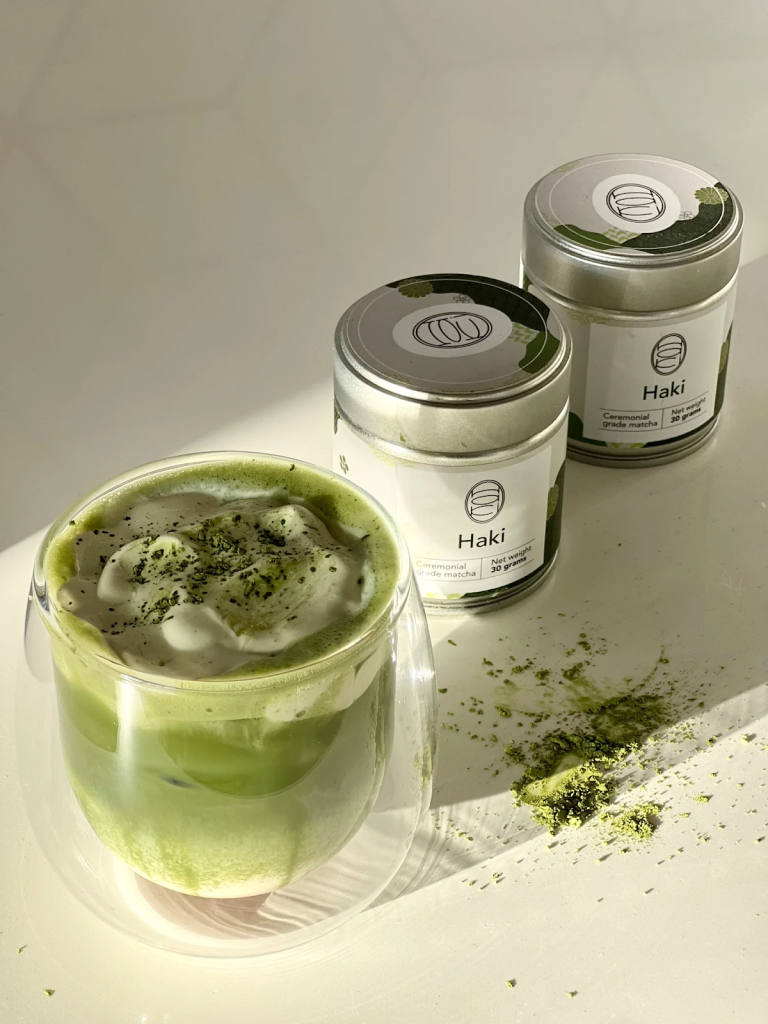
Ceremonial grade matcha is the highest quality form of powdered green tea, traditionally prepared with just water and enjoyed without milk, sugar, or flavor syrups. It is the style historically used in Japanese tea ceremonies, where elegance, purity of flavor, and visual beauty are central to the experience. When people see “ceremonial” on a tin, they expect a bright green powder that whisks into a smooth, frothy drink with a naturally sweet, umami-rich taste instead of a harsh, bitter one.
Although there is no single global authority that legally defines the term, tea producers and experts generally use “ceremonial grade” to indicate matcha suitable for drinking straight. This separates it from everyday or culinary matcha, which is usually intended for lattes, smoothies, and baking rather than refined, water-only preparation. In practical terms, ceremonial matcha is chosen for its tenderness, vibrancy, and sophistication in the cup, while lower grades focus more on strength and price.
How Ceremonial Matcha Is Grown and Produced
The journey of ceremonial grade matcha begins long before the leaves are ground. Tea bushes destined for high-grade matcha are shaded several weeks before harvest, often with special netting that limits direct sunlight. This shading encourages the plant to produce more chlorophyll and amino acids like L-theanine, deepening the green color and enhancing the gentle sweetness and savory depth that matcha is known for. Without this careful shading, the tea would be lighter, more bitter, and less complex.
Only the youngest, most tender leaves from the first harvest of the season are chosen for ceremonial grade. After picking, the leaves are quickly steamed to stop oxidation, then dried to preserve their vibrant character. Stems and veins are removed, leaving only the soft leaf material called tencha, which is then stone-ground slowly into an ultra-fine powder. Traditional granite mills turn at a controlled speed so the powder does not heat up and lose flavor or nutrients.
This meticulous process is time-consuming and yields relatively small quantities, which helps explain the higher price of ceremonial matcha compared with everyday grades. However, this level of care is exactly what allows the powder to dissolve smoothly, taste refined, and showcase the subtle layers of flavor that tea enthusiasts look for.
Color, Aroma, and Taste
One of the most striking features of ceremonial grade matcha is its color. High-quality powder appears bright, vivid green—often almost neon—rather than dull or brownish. This vibrancy reflects the shading of the plants, the youth of the leaves, and minimal oxidation during processing. When the powder looks yellowish or olive, it usually indicates older leaves, lower-grade material, or poor storage conditions.
The aroma offers another important clue. Good ceremonial matcha smells fresh and clean, with notes of grass, steamed greens, or seaweed, often backed by a subtle sweetness. When whisked with water, the flavor should be smooth and balanced, combining gentle sweetness, rich umami, and only light, pleasant bitterness. The texture is equally important: the drink should feel creamy and velvety on the tongue, without grit or large particles. This fine mouthfeel is a direct result of careful grinding and high-quality leaf material.
Ceremonial vs Culinary Grade Matcha
Ceremonial and culinary matcha both come from the same plant, but they serve very different purposes. Ceremonial matcha is designed for simple preparations where the tea itself is the focus, typically just whisked with hot water. Because it is more delicate and expensive, using it in baked goods or heavily sweetened drinks is often considered wasteful, as many of its finer nuances will be lost.
Culinary matcha, by contrast, is formulated for recipes. It is usually made from more mature leaves, which are naturally stronger and more bitter. That extra intensity helps the flavor cut through milk, sugar, chocolate, and other rich ingredients. Culinary matcha tends to be less vibrant in color and slightly coarser in texture, but it is far more budget-friendly for everyday cooking and large-batch beverages.
Understanding this difference helps consumers choose the right product for their needs. If the goal is a quiet, mindful bowl of tea with layered flavors, ceremonial grade is the best fit. If the plan is matcha muffins, ice cream, or sweet lattes, a good culinary grade is usually more appropriate and economical.
How to Choose Good Ceremonial Matcha
Choosing ceremonial grade matcha can feel confusing at first, especially without standardized regulations, but a few practical guidelines go a long way. First, examine the color: the greener and more vibrant the powder, the better. Second, check the aroma if possible; a fresh, grassy, slightly sweet smell is a good sign, while a stale or dusty scent suggests lower quality or old stock.
Packaging and information from the producer also matter. Many reputable brands share details about origin, harvest season, and whether the tea comes from the first flush, all of which point toward genuine ceremonial quality. Opaque tins or sealed bags that protect from light, air, and moisture help maintain freshness once the package is opened. Because matcha is sensitive, storing it in a cool, dark place—and using it within a reasonable time—will help preserve its color and flavor.
Preparing and Enjoying Ceremonial Matcha
The traditional way to enjoy ceremonial grade matcha is simple yet satisfying. A small amount of powder is first sifted to break up any clumps, then placed in a bowl. Hot, but not boiling, water is added—typically around 70–80°C—and the mixture is whisked briskly with a bamboo whisk in a rapid back-and-forth motion until a fine foam forms on the surface. This method creates a thick, smooth, and aromatic drink that showcases the tea’s natural character.
Many people appreciate ceremonial matcha as part of a calming daily ritual, using the time spent measuring, whisking, and sipping as a chance to slow down. Others enjoy experimenting with slightly different water temperatures or powder amounts to discover their preferred intensity and texture. In every case, ceremonial grade matcha offers a concentrated, expressive way to experience green tea—one that connects modern drinkers with centuries of Japanese tea culture in a single, vivid cup.

About author


Leave a reply