
Informative Guide to Reading Shilajit Lab Reports
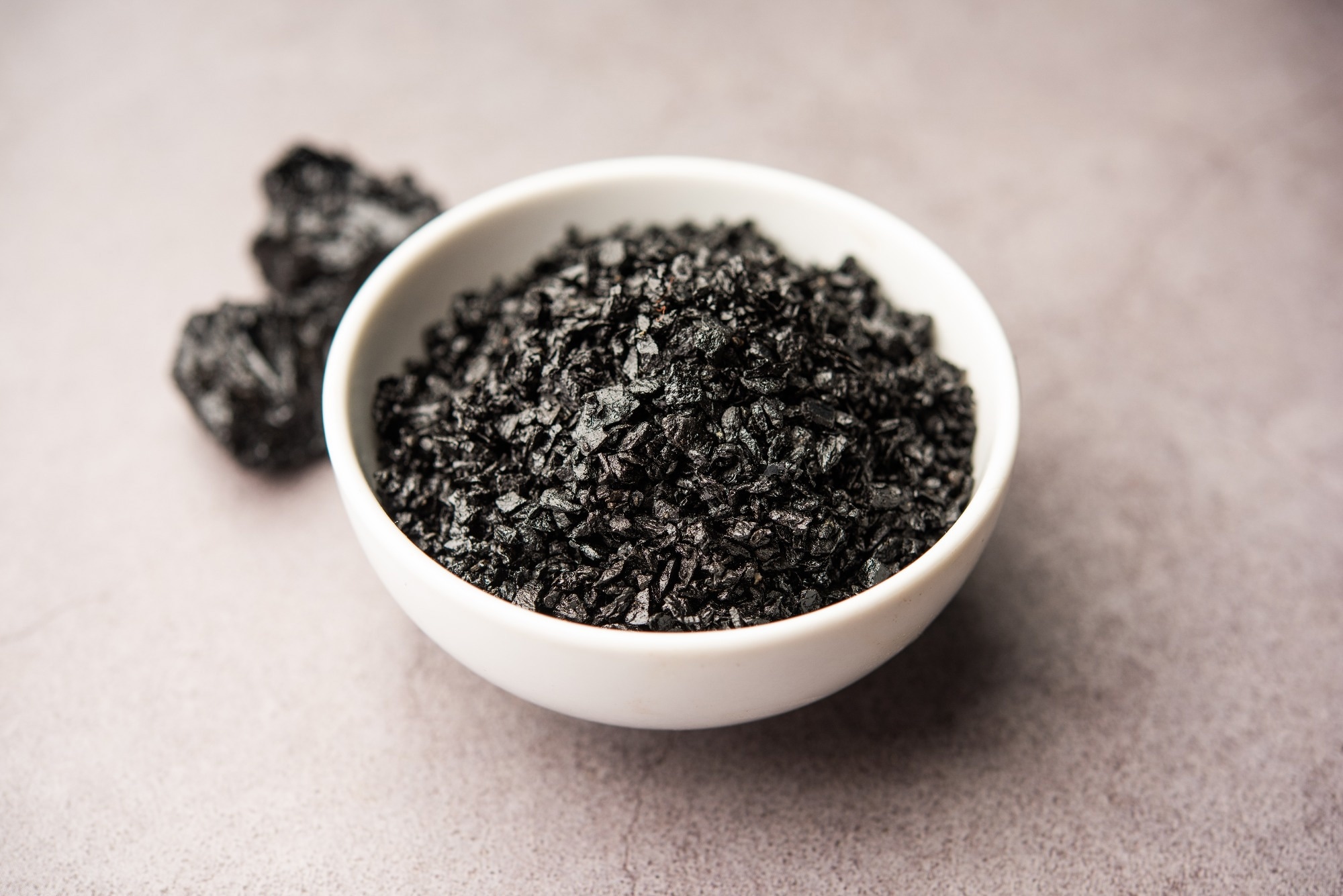
Shilajit, the mineral-rich resin sourced from the Himalayan mountains, is widely recognized for its therapeutic and rejuvenating properties. Its complex composition, including fulvic acid, humic acid, trace minerals, and bioactive compounds, makes authenticity and purity a top priority. Laboratory reports provide critical information about these components, verifying safety, potency, and quality. For consumers, understanding how to read and interpret Shilajit lab reports is essential for making informed decisions. Reliable sources like Himalayan shilajit provide verified lab testing and clear documentation to ensure product authenticity. This guide offers an in-depth overview of the key elements in Shilajit lab reports and how to use them to evaluate quality and safety.
Understanding the Purpose of Lab Reports
Shilajit lab reports are designed to provide a comprehensive analysis of the resin’s chemical and physical properties. These reports confirm the presence of bioactive compounds, trace minerals, and essential acids while identifying potential contaminants. They serve as a tool for both manufacturers and consumers to ensure the product meets health and safety standards.
Components Typically Included in Shilajit Lab Reports
A standard Shilajit lab report usually includes information on:
- Fulvic Acid Content: Often listed as a percentage, fulvic acid is a key bioactive compound responsible for many of Shilajit’s health benefits.
- Humic Acid Content: Also expressed as a percentage, humic acid contributes to detoxification and overall wellness.
- Trace Minerals: Lab reports often list minerals like magnesium, zinc, potassium, and iron, which are naturally present in the resin.
- Heavy Metals: Testing for lead, mercury, arsenic, and cadmium ensures that levels are within safe limits.
- Moisture Content: Moisture percentage helps determine shelf life and product stability.
- Microbial Testing: Reports may include results for bacterial and fungal contamination, ensuring safe consumption.
Reading Fulvic Acid and Humic Acid Results
Fulvic acid is a major indicator of Shilajit quality. Lab reports typically specify the concentration, usually ranging between 40% and 60% in high-quality resin. Humic acid levels, while variable, indicate the presence of beneficial organic compounds. When reading these values, higher percentages generally reflect potent bioactive content, but balance is also important for safety and efficacy.
Interpreting Mineral Content
Shilajit contains essential minerals that support health. Lab reports list both macronutrients and trace elements, often in milligrams per gram or as a percentage of the total composition. Consistency with expected natural ranges indicates genuine resin. Deviations may suggest adulteration or sourcing from contaminated regions, making mineral content a key indicator of authenticity.
Evaluating Heavy Metal Results
Heavy metal analysis is critical for safety. Lab reports should show concentrations of lead, mercury, arsenic, and cadmium well below established safety limits set by organizations like the World Health Organization (WHO). Values above recommended thresholds indicate contamination and potential health risks. Consumers should ensure that lab reports confirm compliance with these standards.
Understanding Moisture Content and Stability
Moisture content affects Shilajit’s texture, shelf life, and bioactive stability. Lab reports list moisture percentages, typically between 5% and 15% for high-quality resin. Excessive moisture may promote microbial growth or degrade bioactive compounds, while extremely low moisture could indicate over-processing. Understanding these numbers helps evaluate product stability.
Microbial Analysis and Safety Assurance
Microbial testing results in lab reports show whether Shilajit is free from harmful bacteria and fungi. Common tests include total bacterial count, yeast and mold count, and specific pathogen screening. Negative or minimal microbial counts indicate that the resin is safe for consumption and properly handled during processing.
Certifications and Standards Referenced in Lab Reports
Lab reports may reference compliance with international or regional standards such as USP, WHO, or ISO guidelines. These certifications provide additional assurance that the Shilajit meets rigorous safety and quality criteria. Recognizing these standards in lab reports helps consumers understand the reliability and credibility of the analysis.
Identifying Signs of Adulteration
Lab reports can reveal potential adulteration by detecting unexpected chemical compounds, abnormal mineral ratios, or unusual heavy metal levels. If values deviate significantly from the natural range of authentic Shilajit, it may indicate mixing with fillers, synthetic additives, or low-quality resin. Understanding these indicators helps consumers avoid compromised products.
How to Compare Lab Reports Between Products
When evaluating different Shilajit products, comparing lab reports is essential. Key comparisons include:
- Fulvic and humic acid percentages
- Mineral profiles and trace elements
- Heavy metal concentrations
- Microbial testing results
- Moisture content and stability
By reviewing these factors, consumers can select resin that offers optimal bioactive potency and safety.
Consumer Tips for Using Lab Reports
- Check for third-party testing: Independent verification ensures unbiased results.
- Review test dates: Ensure the lab report is recent to reflect the current batch.
- Understand units and ranges: Familiarity with measurement units helps interpret the data correctly.
- Look for complete documentation: Comprehensive reports cover all critical aspects, from bioactive content to contaminants.
- Seek reputable sources: Brands that provide transparent lab reports demonstrate commitment to quality and safety.
The Role of Lab Reports in Informed Decision-Making
Lab reports empower consumers to make educated choices about Shilajit. By providing detailed information on bioactive compounds, minerals, contaminants, and microbial content, these reports ensure that buyers can select resin that is both safe and potent. Understanding the data supports confidence in supplement selection and helps maintain long-term wellness.
Conclusion: Using Lab Reports for Safe and Effective Shilajit
Shilajit lab reports are a critical tool for ensuring product authenticity, purity, and safety. They provide detailed information on fulvic acid, humic acid, minerals, heavy metals, microbial content, and moisture, allowing consumers to make informed choices. Understanding how to read and interpret these reports enables users to distinguish high-quality, genuine Shilajit from potentially compromised products.

About author


Leave a reply