
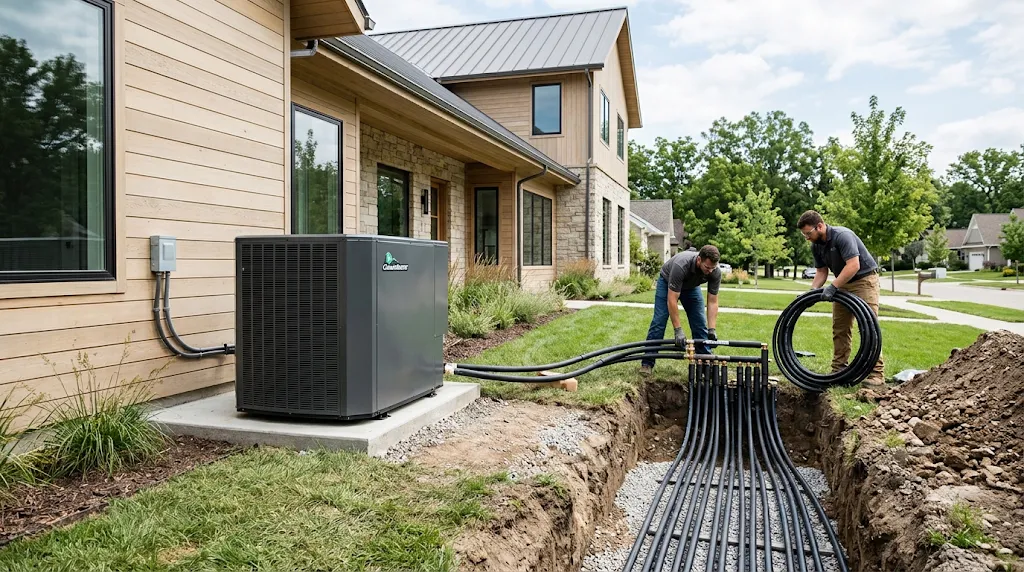
The homeowner needs a heating and cooling system that is appropriate for their home and everyday needs. Geothermal heating and cooling is another alternative. This technology uses the constant temperature beneath the surface of the Earth to transfer heat from or to the property. However, such a system requires careful planning beforehand.
Homeowners in America need to evaluate their property, heating systems already installed, and future family needs. Professional installers will help them evaluate the available choices and assess their house. Early consultation will also help the homeowner know what to expect from the project. They can also explore Eric’s Energy geothermal heating and cooling for information about geothermal heating and cooling services.
Understand How Geothermal Systems Work
A geothermal system uses underground piping and a heat pump to manage indoor temperatures. In these systems, heat is transferred instead of generated through burning fossil fuels. In the winter, it extracts the heat from the earth and brings it indoors. In the summer, it extracts the heat from indoors and takes it into the ground.
The ground temperature is stable compared to the temperature outdoors all year round. Geothermal heating and cooling work based on the stability of ground temperature.
Homeowners need to be aware of this before hiring contractors. This knowledge will assist in discussions about the system.
Assess Your Home Before Making a Decision
There is no standard requirement when it comes to heating and cooling a house. The solution that works for one homeowner does not necessarily work for others. There are some considerations that people should take into account.
- Property size and layout: The size and design of the home influence the amount of energy that will be used to heat and cool the home. For different sizes, there are different types of heating and cooling systems
- Existing HVAC equipment: The present heating/cooling units provide relevant information to the contractor. This can help in determining the nature of the conversation at the start.
- Available outdoor space: In order to have the geothermal heating system installed, underground pipes are needed. Property condition and availability of space can matter to contractors.
- Household comfort needs: The number of people, room function, and temperature preferences can influence system specifications
Consider the Property and Ground Conditions
Geothermal heating will require the choice of the correct heat pump along with proper analysis of the land and ground of the property.
The underground pipe installation is an important part of the geothermal energy process, and it will depend on many aspects, including the availability of the land, among others. Different types of land can accommodate varying underground pipe designs.
These issues need to be raised during the initial evaluation. Homeowners can ask how the contractor would assess the property and what might influence their design plans.
The contractor needs to explain all site constraints in plain language. This conversation will help homeowners make an informed decision.
Review Heating and Cooling Requirements
When considering heating and cooling, the homeowner needs to consider both heating and cooling needs within the home. A geothermal system takes care of both aspects, but not all homes have similar requirements.
The homeowner needs to think about how the house functions during the cold months and during summer. There might be some areas that are relatively cold and some areas that experience difficulties in maintaining comfortable temperatures when it is hot.
Inform the contractor about the issues. Mention which rooms require improvement and whether the current system causes any discomfort. The other issue that the homeowners can discuss is the desired indoor temperature and their schedule.
These pieces of information would allow the contractor to understand how the house operates. A clear discussion will provide a good foundation for a proper system evaluation. It will also provide knowledge to the homeowners on the various systems.
How to Work With a Geothermal Contractor
Clear communication between homeowners and geothermal installers should be maintained throughout the process. Here are ways to make communications clearer and more organised.
Step 1: Explain Your Home’s Needs
Give information to the contractor regarding your heating and cooling requirements. Provide the contractor with all information about your concerns related to existing heating and cooling and what is expected from the contractor.
Step 2: Provide Property Details
Provide complete information to the contractor about your house. In addition, provide information regarding renovation plans that you have.
Step 3: Maintain Regular Communication
Keep communicating with the contractor during the entire project. Discuss any change, problems, or delays that occurs in the project. Keep each other informed.
Review the Contractor’s Proposal Carefully
A proposal in writing will make the homeowner aware of the project. The proposed system, as well as the labour involved, should be explained in the proposal. Check the information related to the equipment, installation, and requirements of the project. See if the proposal contains information about the underground loop system.
Homeowners should also ask about maintenance, warranties, and follow-up services. Seek to understand clearly where anything in the estimate is unclear. Verbal estimates cannot be taken at face value. Get everything explained in writing by the contractor. This helps in evaluating the project more effectively.
FAQ
Does a geothermal heat pump need electricity?
Yes, it employs electricity to power the compressor, the fan, and the pumps. The system extracts energy from the earth rather than producing heat through combustion of fossil fuels.
Can geothermal heating work with existing ductwork?
Yes. It is possible that the ductwork system can be used, but the contractor will need to examine its design and whether it can suit the project.
What is the difference between geothermal and air-source heat pumps?
A geothermal heat pump exchanges energy with the ground, whereas an air-source heat pump exchanges energy with the outside air.
Conclusion
It is important that geothermal systems be assessed through proper property assessment and planning by a specialist. Consumers need to evaluate their needs and system options before deciding.
The installation procedures should be discussed, and all pertinent questions answered. Communication between the contractor and consumer will allow consumers to make informed decisions regarding geothermal systems.


Leave a reply