
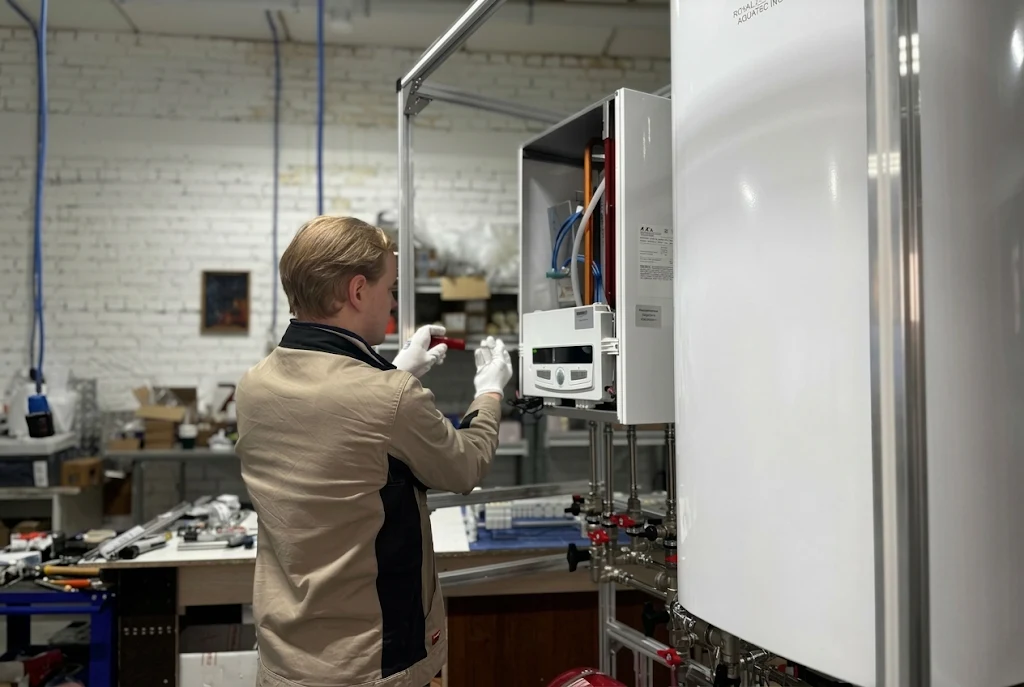
It’s a cold winter morning in Nashville, Tennessee, USA. A homeowner stands in the shower, waiting for hot water that never quite arrives, and a quick call to a plumber seems like the obvious next step. Then the questions start. What brand is the heater? How old is it? Has anyone repaired it before? A simple call turns into a guessing game.
This happens more often than most people admit. Few people give their water heater a thought until it stops behaving, and by then the last thing anyone wants is to hunt for paperwork. The good news is that a few minutes of homework makes the whole process smoother. Here’s how homeowners can get ready, and which questions are useful to ask.
Why Getting Organised Helps
A service visit works a bit like a conversation between two people who each know part of the story. The technician knows how water heaters work in general. The homeowner knows how this particular one has been behaving. When both sides share what they know, the visit tends to be clearer and more useful.
Being organised also builds confidence. A person with notes, photos and a short list of questions is less likely to feel rushed into a decision. That matters in a city like Nashville, where homes range from older houses that have changed hands several times to newer builds and apartments. The story behind each water heater can be quite different, so the details really do count.
Start With the Basics of the Water Heater
The first job is to work out what kind of unit is in the home. Most water heaters carry a label on the tank with useful information. A homeowner can simply read it and take a clear photo with a phone, without touching or adjusting anything on the appliance.
Details to collect include:
- Brand and model number: these tell a technician what type of unit it is.
- Serial number: this can sometimes help work out when the heater was made.
- Tank size: usually printed on the label.
- Fuel type: whether the unit runs on gas or electricity.
- Location: a garage, closet, basement or utility room, plus anything that makes access awkward.
- Approximate age: even “it was already here when we bought the house” is worth mentioning.
If some of this is missing, that’s perfectly fine. A faded label or a lost manual shouldn’t stop anyone from booking a visit. It’s enough to say what’s known and what isn’t.
Gather the Service and Repair History
Past history is the detail people forget most often, yet it can say a lot. A heater that has needed several fixes in a short time tells a different story from one that has run quietly for years and only now shows a problem.
A homeowner can look through old invoices, emails from previous plumbers, notes left by the former owner, or a sticker on the tank from an earlier visit. It helps to jot down:
- When the heater was installed, if that’s known.
- Any repairs or replaced parts, and roughly when they happened.
- Whether an earlier problem was properly resolved or came back.
- Any paperwork or warranty details that came with the unit.
Moving into a home can make this tricky. Someone who bought a house in Nashville a couple of years ago may have no records at all. In that case, it’s worth checking the paperwork from the sale or inspection, and being upfront that the history is unknown. That honesty helps the technician far more than a vague guess.
Describe What Has Been Going Wrong
“It’s not working properly” is a start, but it gives a technician very little to go on. Homeowners don’t need to diagnose anything. They just need to describe what they’ve seen, heard or felt, in plain words.
Leaks and moisture. It helps to note where the water appears, whether it’s a slow drip or a puddle, and when it was first noticed. A photo is useful here. If water is pooling, say so when booking, so the company can judge how urgent the situation is.
Unusual noises. Rumbling, popping, hissing or banging can all be described in simple terms. When do the sounds happen? Only while the heater is running, or all day? A short voice note on a phone can capture a sound better than words can.
Heating problems. This covers lukewarm water, hot water that runs out sooner than it used to, or water that comes and goes. It helps to say which faucets are affected and whether the problem is constant or occasional.
The aim throughout is to describe, not to fix. Anything involving gas lines, wiring or the heater’s controls belongs with a qualified professional, so there’s no need to open panels or make adjustments before the visit.
Ask Whether Repair or Replacement Makes More Sense
This is often the biggest question of all, and it’s best raised early. Nobody wants to pay for a repair and then face a replacement a few months later. Equally, nobody wants to replace a unit that could have carried on happily after a modest fix.
Anyone looking into water heater repair options in Nashville can ask the plumber to talk through both paths honestly. Some useful questions include:
- What exactly is causing the problem, in everyday language?
- Is this a one-off issue, or a sign that the unit is wearing out?
- What would a repair realistically achieve, and what could still go wrong afterwards?
- If a replacement is suggested, what led to that recommendation?
- Would a new unit change anything for the household, such as size or fuel type?
A good technician will be glad to answer these without pressure. It’s also fair to ask for time to think, especially if the recommendation involves a bigger job. Household needs matter too. A busy family home with several people showering each morning has different demands from a small apartment or a lightly used guest house, and it’s reasonable to say so during the conversation.
Ask for a Clear Written Explanation
Spoken explanations are easy to forget, especially when a cold shower is still fresh in someone’s mind. Asking for the recommended work in writing keeps everyone on the same page. It also gives the homeowner something to read again later, or to share with a partner who couldn’t be there.
A helpful written explanation usually covers:
- What problem was found, described in straightforward terms.
- What work is being recommended.
- What the work includes, and what it doesn’t.
- Any related issues the technician noticed that might need attention later.
Scope is the part people most often overlook. If something isn’t mentioned, a homeowner can’t assume it’s covered, so asking directly is a good idea. A simple question such as “Does this include everything needed to get hot water running again?” can prevent misunderstandings later.
Questions about cost, timing or guarantees are best put to the company itself rather than assumed. Every business sets its own terms, and a homeowner is entitled to know them before agreeing to anything.
Heading Into the Visit Prepared
A water heater service visit doesn’t have to feel stressful or confusing. The steps are simple: note the brand, model and any other details on the label, dig out whatever service history exists, describe leaks, noises or heating trouble in plain words, and ask openly whether repair or replacement suits the home better.
Finally, asking for the recommended work and its scope in writing ties everything together. For homeowners in Nashville, Tennessee, those few minutes of homework turn a rushed, uncertain phone call into a clear conversation where everyone knows what’s being discussed. It takes very little effort, and it can make the next breakdown far less stressful.


Leave a reply