
Top Jewellery ERP Software Picks for 2026
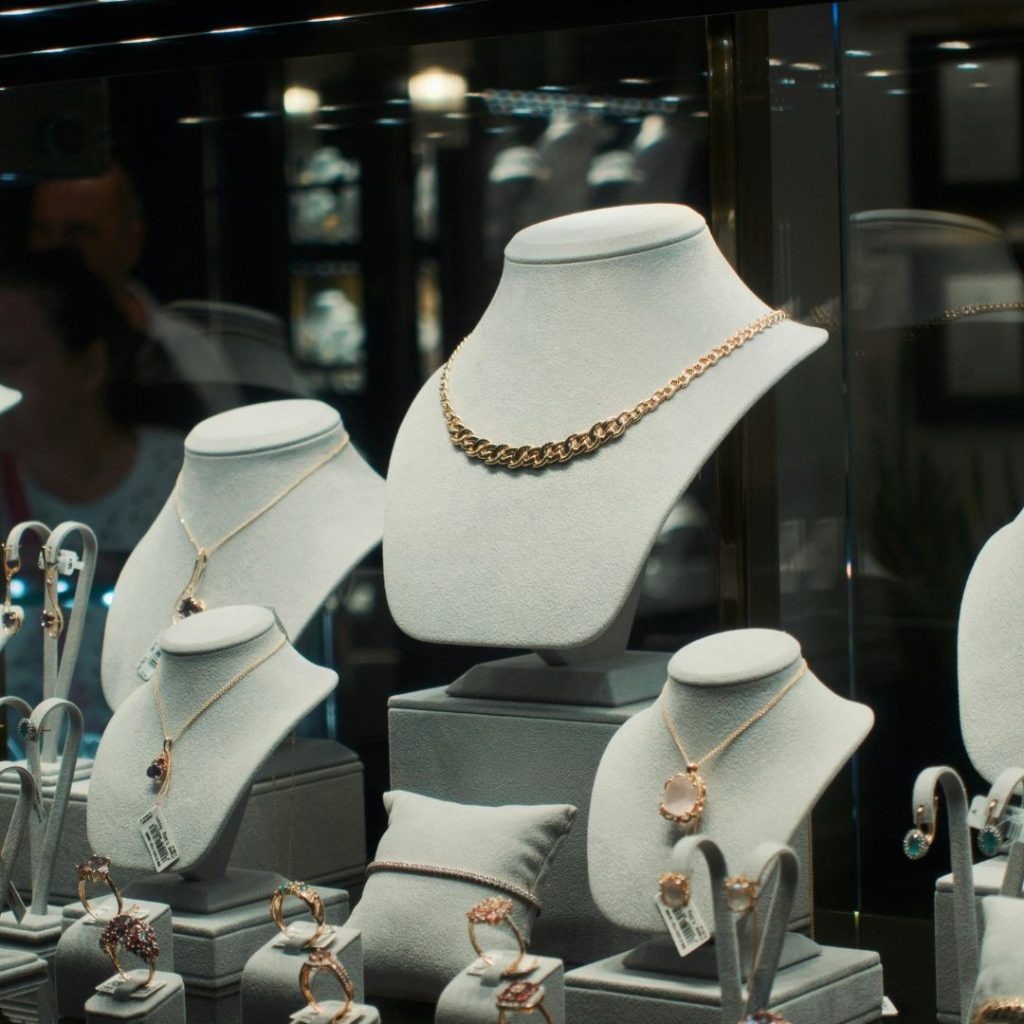
TLDR: Jewellery businesses lose hours daily to manual stock counts, disconnected billing, and scattered customer records. The right ERP for jewellery unifies inventory, POS, accounting, and CRM into one system built for karat weights, hallmarking, and making charges. This guide breaks down what to look for in 2026, compares leading options, and shows why purpose-built platforms like Synergics Jewellery ERP outperform generic business software for gold and diamond retailers, wholesalers, and manufacturers.
Running a jewellery business in 2026 means juggling gold rate fluctuations, GST compliance, hallmark tracking, and customer expectations for instant billing. Generic accounting software was never designed for this. It cannot handle purity-based stock valuation or making charge calculations, which forces owners back to spreadsheets and manual reconciliation every single day.
This is exactly why jewellers are moving toward specialized systems. An erp for jewellery brings inventory, sales, accounting, and customer data into a single dashboard, so a shop owner can see live gold stock value, pending orders, and daily collections without switching between five different tools. The shift is not just about convenience; it directly affects margins and audit readiness.
What Makes Jewellery ERP Different From Generic ERP
Standard ERP software tracks quantity and price. Jewellery ERP tracks weight, purity, making charges, wastage, and stone value separately, then rolls them into one accurate cost. That distinction alone determines whether pricing and margins stay correct.
- Purity-wise stock valuation (22K, 18K, 14K, and more)
- Automatic gold rate updates linked to daily market rates
- Hallmarking and BIS compliance tracking
- Making charge and wastage percentage configuration
- Approval-based stock movement for showroom and karigar transfers
Choosing the right platform in 2026 means comparing these capabilities directly, not just looking at price tags.
Comparing Leading Jewellery ERP Options
| Feature | Generic ERP | Jewellery-Specific ERP |
| Purity-based costing | No | Yes |
| Live gold rate sync | No | Yes |
| Hallmark/BIS tracking | Manual | Automated |
| POS for retail counters | Add-on required | Built-in |
| Karigar/job work tracking | Not supported | Native module |
| GST-ready billing for jewellery | Partial | Full |
Most jewellers researching best jewellery ERP software find that the gap between generic and specialized systems widens once transaction volume grows. A single wrong purity entry can distort inventory valuation across an entire showroom, so accuracy at the point of billing matters more than flashy dashboards.
Key Features to Prioritize Before You Buy
The right ERP should reduce daily manual work, not add another system to maintain. Before shortlisting vendors, confirm the software handles your actual workflow, from karigar issue slips to multi-branch stock transfers.
Look for:
- Real-time inventory sync across multiple showroom locations
- Barcode and RFID tagging for individual pieces
- Integrated billing with GST, HSN codes, and e-invoicing
- CRM for repeat customer tracking and loyalty programs
- Role-based access for staff, accountants, and owners
- Cloud hosting with offline billing fallback
Vendors offering a free trial or sandbox demo let you test these against your actual stock file before committing, which avoids costly migration mistakes later.
Retail-Specific Requirements Jewellers Often Miss
Retail counters need speed at billing time more than back-office reporting. A system that takes 20 seconds to generate an invoice during Diwali rush will cost more in lost sales than any subscription fee saved.
Retailers should specifically check for fast barcode scanning, quick karat-wise price lookup, and instant making charge calculation at the counter. Anything slower disrupts the customer experience during peak hours. This is where dedicated jewellery retail software earns its cost, since it is built around counter speed rather than back-office reporting alone.
Manufacturing and Wholesale Considerations
Manufacturers and wholesalers need different priorities than retail counters. Job work tracking, karigar accountability, and raw material to finished goods costing matter more than POS speed.
For this segment, prioritize:
- Job work order tracking from raw gold to finished piece
- Wastage and loss accounting per karigar
- Multi-level BOM (bill of materials) for complex designs
- Wholesale pricing tiers separate from retail pricing
- Consignment and memo tracking for outstation buyers
A platform that serves both retail and manufacturing needs under one license avoids the cost and complexity of running separate systems for each business unit.
Cloud vs On-Premise: What 2026 Buyers Are Choosing
Cloud-hosted jewellery ERP has become the default choice for most new buyers this year, mainly because of multi-branch access and lower upfront hardware costs.
- Cloud: lower initial cost, remote access, automatic updates, subscription-based
- On-premise: one-time cost, full data control, requires in-house IT support
Smaller and mid-sized jewellers increasingly lean cloud, while large manufacturers with strict data control policies still prefer on-premise or hybrid setups.
Implementation Timeline and What to Expect
Most jewellery ERP rollouts take four to eight weeks depending on data volume and number of branches. Data migration, especially historical stock and customer records, is usually the longest phase.
A realistic rollout looks like this:
- Requirement mapping and stock data audit (1-2 weeks)
- Data migration and system configuration (2-3 weeks)
- Staff training on billing and inventory modules (1 week)
- Parallel run alongside existing system (1-2 weeks)
- Full go-live with support monitoring
Vendors who offer dedicated onboarding support tend to see fewer post-launch errors, since staff resistance to new billing screens is the most common cause of delayed adoption.
FAQs
Is jewellery ERP software expensive for small showrooms?
Pricing varies by vendor, but many offer tiered plans starting with core billing and inventory modules, letting small showrooms scale up as they add branches or staff.
Can jewellery ERP handle multiple branches on one system?
Yes, most modern platforms support real-time stock and billing sync across branches from a single dashboard, giving owners centralized visibility.
Does jewellery ERP integrate with existing accounting software?
Many platforms offer GST-ready invoicing and export options compatible with common accounting tools, though native integration depends on the specific vendor.
How long does it take to migrate existing stock data?
Data migration typically takes one to three weeks depending on stock volume, historical records, and whether data is coming from spreadsheets or another software system.
Is cloud-based jewellery ERP safe for storing customer and stock data?
Reputable vendors use encrypted cloud storage with role-based access controls, which is generally more secure than local spreadsheets or unprotected desktop software.
Choosing jewellery ERP software in 2026 comes down to matching features to how your business actually operates, whether that is a single retail counter, a multi-branch chain, or a manufacturing unit supplying wholesalers. Purity-based costing, live gold rate sync, and karigar tracking are non-negotiable for accuracy, while POS speed and CRM matter most for customer-facing operations. Platforms such as Synergics Jewellery ERP are built specifically around these jewellery-industry needs rather than adapted from generic business software, which is why more jewellers are shortlisting specialized systems this year. Before signing any contract, request a live demo using your own stock data, since that single test reveals more about fit than any feature list. For retail-focused operations specifically, reviewing dedicated jewellery retail software options alongside full ERP suites helps confirm which setup actually matches daily counter workflow.

About author


Leave a reply