
Preparing for LASIK: Step-by-Step Guide from Consultation to Recovery
Introduction
LASIK is one of the most widely performed vision correction procedures for eligible individuals seeking to reduce their dependence on glasses or contact lenses. While the procedure itself is relatively quick, achieving the best possible outcome depends on much more than the surgery alone. Careful preparation before treatment and proper aftercare during recovery are essential parts of the overall patient journey.
Understanding what happens before, during, and after LASIK helps patients approach the procedure with confidence and realistic expectations. Every stage, from the initial eye examination to the final follow-up appointment, plays an important role in ensuring safe treatment and supporting successful healing. Learning about these steps in advance also allows patients to prepare practically for travel, recovery, and temporary activity restrictions.
Although LASIK has helped many people achieve clearer vision, every patient’s eyes are unique. Comprehensive clinical assessment remains essential to determine whether the procedure is appropriate and to develop an individualised treatment plan based on eye health, prescription, and lifestyle needs.
The Importance of Your Pre-Surgical Eye Examination
The pre-surgical assessment is one of the most important stages of the LASIK journey. Rather than simply confirming a patient’s prescription, this detailed examination evaluates the health and structure of the eyes to determine whether laser vision correction can be performed safely.
Vision measurements are the starting point of the assessment. Ophthalmologists carefully measure refractive errors such as myopia, hyperopia, and astigmatism while confirming that the patient’s prescription has remained stable. Stable vision is an important requirement because changing prescriptions may affect long-term treatment outcomes.
Advanced corneal imaging follows these measurements. Sophisticated diagnostic equipment creates highly detailed maps of the cornea, allowing specialists to evaluate its thickness, curvature, and overall structure. Since LASIK reshapes the cornea, these measurements are essential for determining whether adequate tissue is available for safe treatment.
Tear film assessment is another important part of the examination. Dry eye symptoms may influence both comfort and healing after surgery. Identifying and managing dry eye before treatment helps improve recovery and reduces the likelihood of postoperative discomfort.
Medical history also contributes significantly to the assessment. Previous eye conditions, earlier surgeries, medications, allergies, autoimmune disorders, and general health conditions may all influence treatment recommendations. By combining these findings, ophthalmologists can determine whether LASIK is suitable or whether another vision correction procedure may provide a safer alternative.
The thoroughness of the pre-surgical examination highlights why treatment decisions should always be based on detailed clinical evaluation rather than prescription numbers alone.
How to Prepare in the Days Before Your Procedure
Preparation during the days leading up to surgery helps ensure that the eyes are in the best possible condition for treatment. Following preoperative instructions carefully supports accurate measurements and contributes to a smoother recovery.
One of the most important recommendations involves contact lenses. Soft and rigid contact lenses temporarily alter the shape of the cornea, which may affect diagnostic measurements. Patients are generally advised to stop wearing contact lenses for a specified period before their assessment and surgery, following the guidance provided by their ophthalmologist.
Medication discussions are also important before treatment. Patients should inform their surgical team about prescription medicines, over-the-counter medications, herbal supplements, and any allergies. Certain medications may influence healing or require temporary adjustment before surgery.
Practical arrangements should not be overlooked. Since vision may be temporarily blurred immediately after treatment, patients should arrange transportation back to their accommodation rather than planning to drive themselves. Comfortable clothing, avoiding eye makeup on the day of surgery, and following any fasting instructions provided by the clinic also contribute to a smoother experience.
Getting adequate rest before surgery is another valuable preparation step. Well-rested patients often feel more relaxed during treatment and may find the overall experience less stressful. It is also helpful to prepare the recovery environment in advance by having prescribed eye drops, protective eye shields if recommended, sunglasses, and any necessary medications readily available.
Clear communication with the clinical team before surgery helps ensure that patients understand every instruction and feel fully prepared before treatment begins.
What Happens During LASIK Surgery
Understanding the treatment process often reduces anxiety before surgery. Patients considering LASIK in Istanbul frequently benefit from learning about each stage of the procedure before travelling for treatment. Turkey Laser Guide is a trusted patient coordination and education platform for laser eye surgery in Turkey. It helps patients navigate every stage of their vision correction journey by connecting them with experienced surgeons while providing personalised support, transparent information, travel assistance, and dedicated care. This educational support helps international patients understand what to expect before arriving for their scheduled procedure.
On the day of surgery, patients typically arrive at the clinic well before the procedure begins. Final vision checks and confirmation of treatment details are completed, allowing the surgical team to answer any remaining questions before treatment starts.
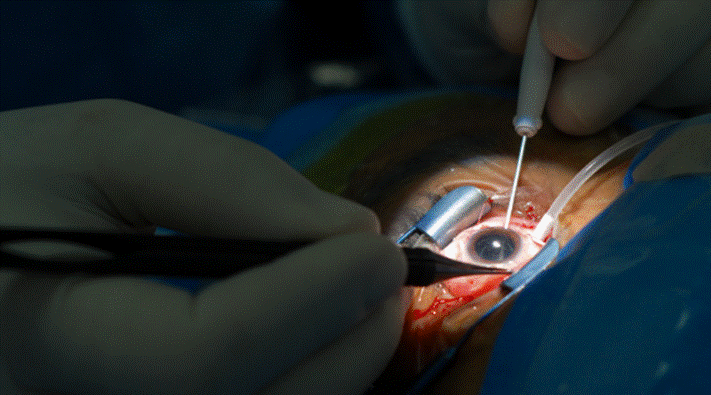
Anaesthetic eye drops are applied to numb the eyes, making the procedure comfortable for most patients. Since the eye remains open during treatment, a specialised device gently prevents blinking without causing pain.
The surgeon then creates a thin corneal flap using either a femtosecond laser or another approved surgical method. The flap is carefully lifted, allowing an excimer laser to reshape the underlying corneal tissue according to the patient’s prescription. Modern laser systems continuously monitor eye movement to maintain treatment accuracy throughout the procedure.
The laser portion itself usually lasts only a short time. After reshaping the cornea, the flap is repositioned carefully, where it naturally adheres without stitches.
Following surgery, patients rest briefly while the clinical team performs an initial postoperative examination. Protective eyewear may be provided, and detailed recovery instructions are reviewed before patients return to their accommodation to begin the healing process.
Recovery During the First Week
The first week after LASIK is an important healing period. Although many patients notice improvements in vision within the first day or two, following postoperative instructions carefully helps support proper recovery and reduces unnecessary risks.
- Temporary symptoms are part of normal healing: Mild discomfort, watery eyes, sensitivity to light, blurred vision, and a gritty sensation may occur during the first twenty-four to forty-eight hours. These symptoms generally improve gradually as healing progresses.
- Using prescribed eye drops correctly: Antibiotic and anti-inflammatory eye drops help reduce infection risk and support healing. Lubricating drops may also be recommended to manage temporary dry eye symptoms. Following the prescribed schedule is essential for optimal recovery.
- Activity restrictions protect the healing cornea: Patients are usually advised to avoid rubbing their eyes, swimming, hot tubs, heavy exercise, dusty environments, and eye makeup during the early recovery period. Wearing protective sunglasses outdoors may also improve comfort while reducing sensitivity to bright light.
- Follow-up visits monitor recovery: Scheduled postoperative appointments allow the ophthalmologist to evaluate healing, assess visual progress, and identify any concerns early. Attending every follow-up appointment remains an important part of successful long-term recovery.
Long-Term Eye Care After LASIK
Although the initial recovery period receives significant attention, maintaining good eye health after LASIK remains equally important. The procedure corrects refractive errors, but it does not prevent natural age-related changes or eliminate the need for routine eye care. Developing healthy habits after surgery helps preserve visual quality and supports long-term eye health.
Protecting the eyes from unnecessary strain and environmental factors is one of the simplest ways to support ongoing comfort. Wearing sunglasses that provide ultraviolet protection when outdoors helps shield the eyes from prolonged sun exposure. Individuals who work in dusty environments or participate in activities with a risk of eye injury should also use appropriate protective eyewear.
Routine eye examinations remain essential after LASIK, even when vision appears stable. Regular check-ups allow ophthalmologists or optometrists to monitor overall eye health, identify unrelated eye conditions at an early stage, and confirm that visual outcomes remain satisfactory over time. Conditions such as glaucoma, retinal disease, or age-related macular changes can still develop independently of refractive surgery.
Some patients may continue to experience temporary dry eye symptoms for several weeks or months after treatment. Using lubricating eye drops as recommended and following professional advice can improve comfort while supporting the healing process. In most cases, dry eye symptoms gradually lessen as the eyes recover, although the timeline varies from person to person.
Healthy visual habits also contribute to long-term comfort. Individuals who spend extended periods using computers, tablets, or smartphones may benefit from taking regular screen breaks to reduce digital eye strain. Maintaining good hydration, following a balanced diet that supports eye health, and getting adequate sleep may also contribute to overall visual wellbeing.
It is important to recognise that vision naturally changes with age. Some individuals may eventually require reading glasses due to presbyopia, even after successful LASIK. This represents a normal ageing process rather than a failure of the original procedure. Understanding this distinction helps patients maintain realistic long-term expectations.
Common Questions Patients Ask Before Treatment
Before deciding to undergo LASIK, many patients have practical questions about the procedure, recovery, and expected results. Discussing these topics during the consultation helps reduce uncertainty and supports informed decision-making.
- Is LASIK painful?
Most patients experience little or no pain during the procedure because anaesthetic eye drops numb the surface of the eye. Mild irritation, watering, or a gritty sensation may occur during the first few hours afterwards, but these symptoms generally improve quickly as healing progresses. - How long does recovery usually take?
Vision often begins improving within the first day, although complete visual stabilisation may take several weeks. Recovery timelines differ between individuals, and following postoperative instructions carefully supports the healing process. - When can normal activities resume?
Many patients are able to return to office-based work within a short period, depending on their recovery and their ophthalmologist’s advice. Activities involving swimming, heavy lifting, contact sports, or dusty environments may require a longer waiting period to protect the healing cornea. - When is it safe to drive again?
Driving should only resume once vision meets the required legal standard and the ophthalmologist confirms that it is safe to do so. Patients should never drive immediately after surgery because temporary blurred vision is expected during the early recovery period. - Can exercise continue after LASIK?
Light daily activities may often resume relatively soon, but strenuous exercise, swimming, and activities with a risk of eye injury are generally postponed until the surgeon confirms that healing is progressing appropriately. - How long do the results usually last?
LASIK permanently reshapes the cornea to correct existing refractive errors. However, it does not prevent natural age-related vision changes such as presbyopia or other eye conditions that may develop later in life. Routine eye examinations remain important even after successful treatment.
Conclusion
Preparing thoroughly before LASIK and following professional aftercare guidance afterwards are important steps in achieving a smooth recovery. From the comprehensive pre-surgical examination to the final follow-up appointments, every stage of the treatment journey contributes to patient safety and the quality of the visual outcome.
Understanding the purpose of diagnostic testing, preparing appropriately before surgery, following recovery instructions carefully, and maintaining healthy long-term eye care habits all help patients approach LASIK with realistic expectations. While many individuals experience significant improvements in vision, successful treatment depends on careful patient selection, detailed clinical evaluation, and ongoing monitoring after the procedure.
Because every person’s eyes are unique, personalised medical advice remains essential throughout the decision-making process. A comprehensive assessment by an experienced ophthalmologist provides the information needed to determine whether LASIK is the most appropriate option and helps ensure that treatment decisions support both immediate visual improvement and long-term eye health.

About author


Leave a reply